Corruption allegations within Kenya’s Judiciary have taken center stage following Senior Counsel Ahmednasir Abdullahi’s recent explosive claims on social media platform X (formerly Twitter). The outspoken lawyer has accused unnamed judges of engaging in corrupt practices, sparking a flurry of responses from the Judiciary and other legal stakeholders.
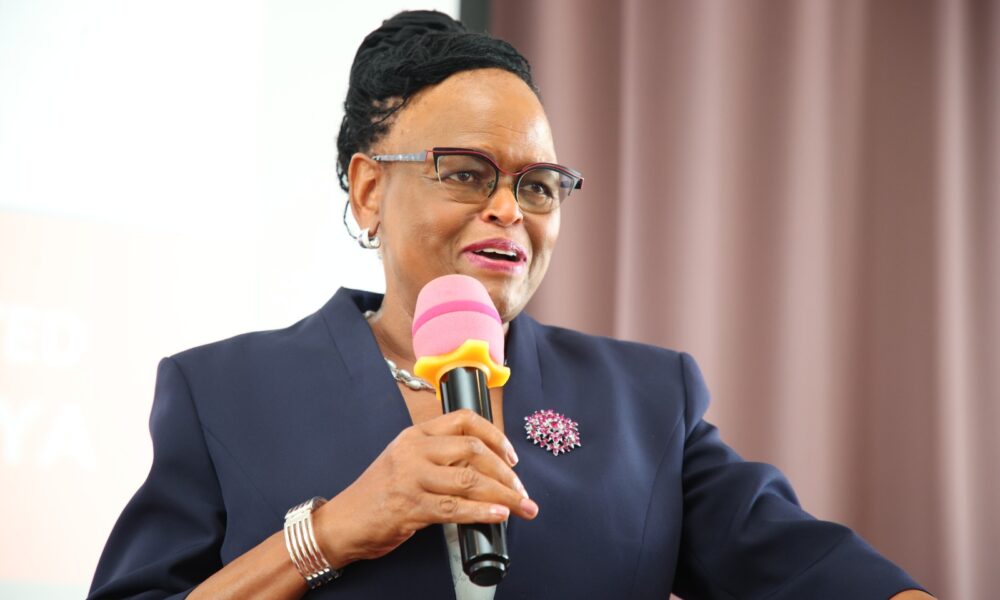
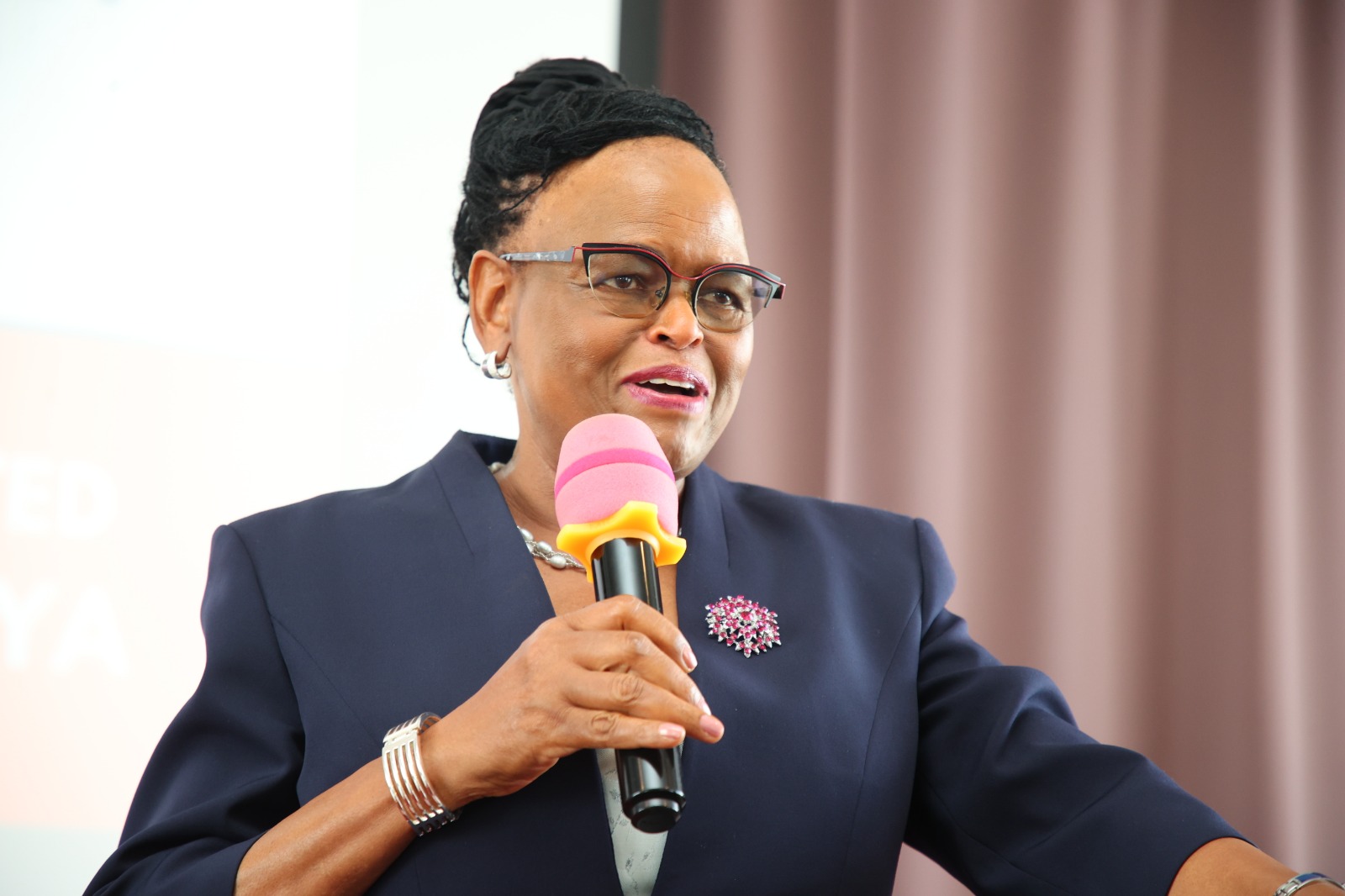
In an official statement issued by Chief Justice Martha Koome on December 9, 2024, the Judiciary laid out a detailed roadmap to address the allegations. The statement, which emphasizes transparency and accountability, sheds light on the Judiciary’s efforts to tackle corruption while calling on Ahmednasir to cooperate in providing actionable evidence.
This article looks into the unfolding drama, the key points of the Chief Justice’s statement, and Ahmednasir’s reaction, offering an in-depth analysis of what this means for Kenya’s judicial system.
Key Points from CJ Koome’s Statement
The Chief Justice’s response to the allegations was comprehensive and strategic, highlighting ongoing efforts to ensure the integrity of Kenya’s Judiciary. Here are the main takeaways:
1. Acknowledgment of Corruption Allegations
Chief Justice Koome acknowledged that corruption—whether real or perceived—undermines public trust in the Judiciary. This is a critical issue, as it threatens the stability of Kenya’s constitutional democratic order. Koome noted that the Judiciary has consistently strived to uphold high ethical standards despite the challenges of an increasing caseload.
2. Actionable Statistics on Judiciary Integrity
Koome’s statement included data from the State of the Judiciary and the Administration of Justice Report 2023/2024:
- 141 petitions were received regarding judges’ conduct, with 70 concluded.
- 116 disciplinary cases were lodged against Judiciary staff, with 51 resolved.
- 11 complaints of bribery were documented, underscoring the scope of corruption issues within the Judiciary.
3. Formation of an Investigative Team
In response to Ahmednasir’s claims, Koome directed the Judicial Service Commission (JSC) to form an investigative team. This team is tasked with engaging Ahmednasir to obtain specific details about the alleged corruption, including names of implicated judges and intermediaries. The Secretary of the JSC will provide regular updates to the public on the progress of these investigations.
4. Multisectoral Collaboration
Koome has forwarded a letter by Professor PLO Lumumba, which also highlights judiciary corruption, to key investigative agencies, including:
- The National Intelligence Service (NIS)
- The Directorate of Criminal Investigations (DCI)
- The Ethics and Anti-Corruption Commission (EACC)
- The Office of the Inspector General of Police
This step underscores the Judiciary’s commitment to a collaborative approach in tackling corruption.
5. Convening a Consultative Meeting
Koome has invited prominent stakeholders in the legal profession, including the President of the Law Society of Kenya (LSK), senior counsel, and heads of courts, to a consultative meeting. The agenda will focus on:
- Developing actionable strategies for addressing judicial misconduct.
- Reviewing updates on complaints before the JSC.
- Enhancing transparency and accountability mechanisms.
Ahmednasir Abdullahi’s Explosive Allegations
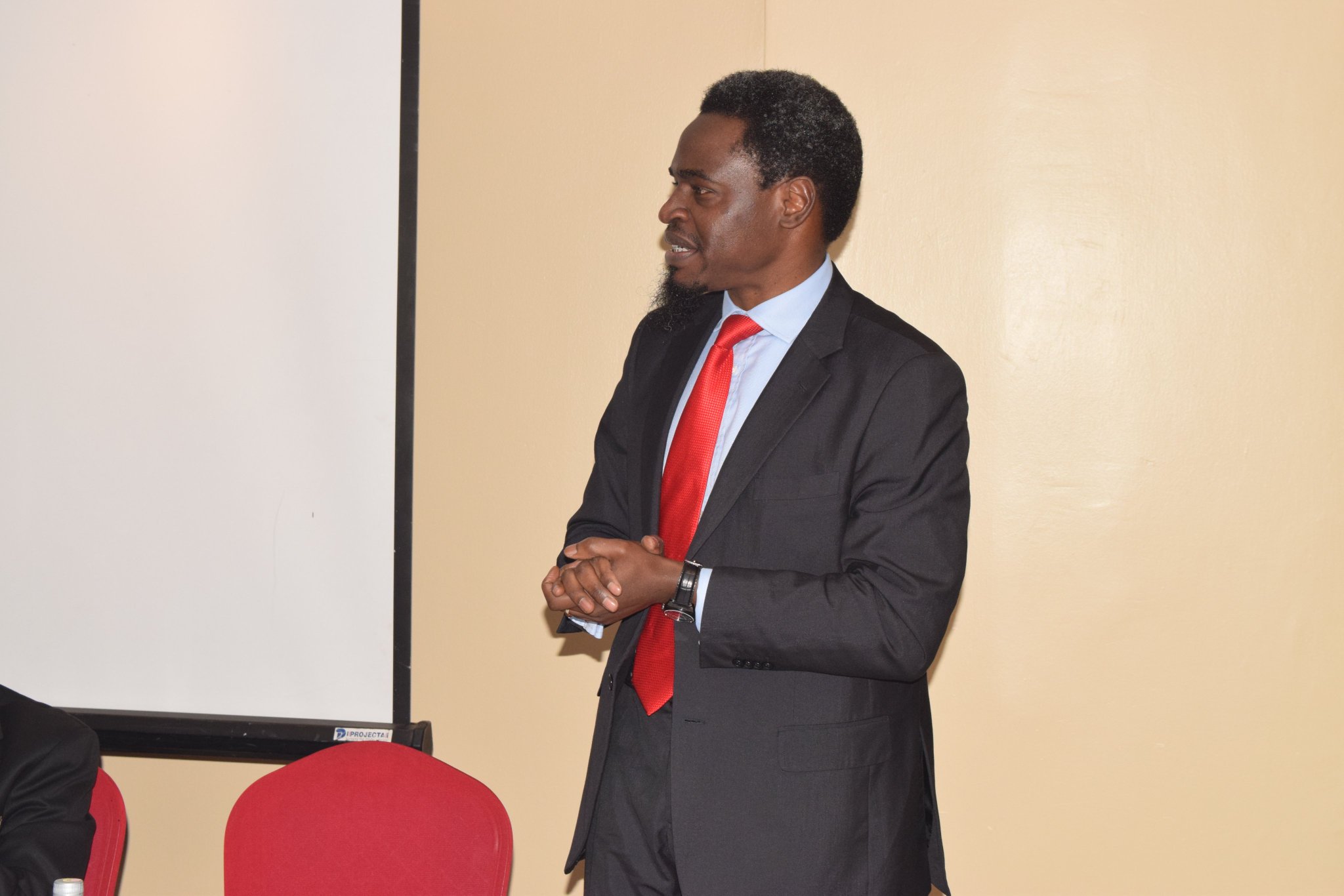
Ahmednasir Abdullahi, popularly known as “The Grand Mullah,” has been vocal about corruption in the Judiciary. On X, he accused judges of engaging in corrupt practices, dubbing the alleged system “JurisPESA.” In his posts, he claimed that intermediaries collect bribes on behalf of corrupt judges, tarnishing the Judiciary’s reputation.
His Demands and Defiance
While Koome urged Ahmednasir to cooperate with the investigative team, the lawyer remained defiant. In a follow-up post, he stated:
“I WILL NOT COOPERATE!!! I WILL ONLY COOPERATE IF THE INVESTIGATION ALSO TOUCHES ON THE 7 JUDGES (or at least 4) OF THE SUPREME COURT…INCLUDING CJ KOOME. THAT IS THE ONLY TIME I WILL SHARE ALL MY CLASSIFIED FILES ON JurisPESA.”
Ahmednasir’s refusal to cooperate unless specific conditions are met raises questions about his motivations and the credibility of his claims.
Support for PLO Lumumba
Ahmednasir also expressed support for Professor PLO Lumumba, who wrote to Koome urging action against corruption in the Judiciary. He praised Lumumba’s efforts, adding a call for Koome’s resignation in the public interest.
Public and Legal Sector Reactions
The unfolding events have drawn mixed reactions from the public and legal professionals.
1. Support for Transparency
Many Kenyans welcomed Koome’s directive to form an investigative team, viewing it as a step toward greater transparency in the Judiciary. The Chief Justice’s decision to involve multiple investigative agencies also resonated well with citizens demanding accountability.
2. Criticism of Ahmednasir
Some critics have questioned Ahmednasir’s refusal to cooperate, suggesting that it undermines his credibility. Legal professionals argue that if his allegations are genuine, he should provide the evidence required for action to be taken.
3. Concerns About Judicial Independence
Others have expressed concerns about the potential implications of these allegations on judicial independence. They argue that unsubstantiated claims could erode public confidence in the Judiciary, regardless of their veracity.
Implications for Kenya’s Judiciary
This corruption saga has far-reaching implications for Kenya’s judicial system and governance as a whole.
1. Public Trust
The Judiciary relies on public confidence to function effectively. Allegations of corruption, whether substantiated or not, can significantly impact how Kenyans perceive the institution.
2. Strengthened Oversight
If handled well, this investigation could lead to strengthened oversight mechanisms within the Judiciary. The consultative meeting proposed by Koome presents an opportunity for stakeholders to create long-term solutions to combat corruption.
3. Legal Profession Scrutiny
Koome’s statement also highlights concerns about integrity within the legal profession. By involving the LSK and senior counsel in discussions, the Judiciary aims to address the root causes of corruption collaboratively.
The Way Forward
As the Judiciary braces for this storm, all eyes are on the investigative team tasked with engaging Ahmednasir. For justice to prevail, the following steps will be crucial:
- Ahmednasir’s Cooperation: His refusal to cooperate complicates the investigation. However, the JSC must ensure that its inquiries proceed without bias or undue influence.
- Public Updates: Transparency will be critical in maintaining public trust. Regular updates from the JSC will reassure Kenyans that action is being taken.
- Systemic Reforms: Beyond investigating individual complaints, the Judiciary must address systemic issues that allow corruption to thrive.
Conclusion
The allegations of corruption within Kenya’s Judiciary have sparked a critical conversation about integrity and accountability. While Chief Justice Koome’s response demonstrates a commitment to transparency, Ahmednasir Abdullahi’s defiance reveals the challenges of addressing such claims.