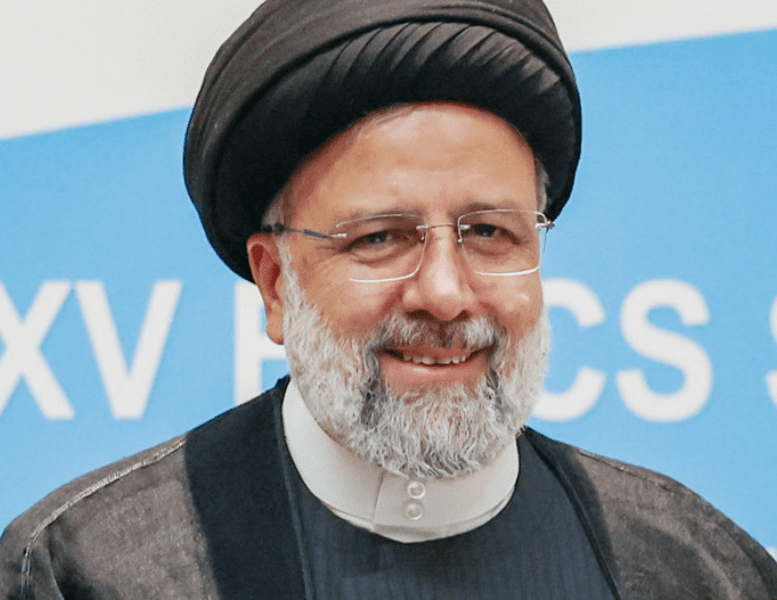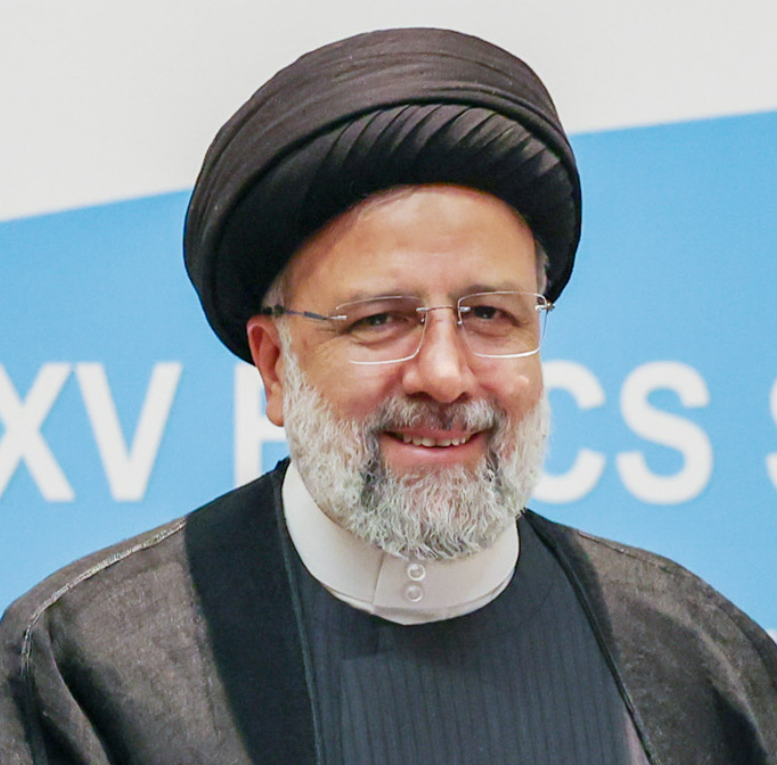
In a tragic and shocking incident, Iranian President Ebrahim Raisi, along with several top officials, has died in a helicopter crash. The crash occurred under circumstances still being investigated, and the devastating news has sent ripples through the Iranian political landscape and the international community.
President Ebrahim Raisi, who had been in office since August 2021, was known for his hardline stance and close alliance with Supreme Leader Ali Khamenei.
Raisi, who garnered 62.9% of the vote in the 2021 presidential election, had been a controversial figure, with critics questioning the fairness of the election and condemning his past, notably his role in the execution of political prisoners in the late 1980s. This role had earned him the grim moniker “Butcher of Tehran.”
The helicopter crash also claimed the lives of several other high-ranking officials. Among the deceased were Foreign Minister Hossein Amir Abdollahian, Governor of Eastern Azerbaijan province Malek Rahmati, Tabriz’s Imam Mohammad Ali Alehashem, the pilot, the copilot, the crew chief, the head of security, and a bodyguard. Reports indicate that several of the bodies were completely burned, adding to the grim nature of the tragedy.
The incident occurred during a routine flight, and initial reports suggest mechanical failure or pilot error could be the cause. However, a comprehensive investigation is underway to determine the exact cause of the crash. The crash site has been secured, and rescue operations are ongoing to retrieve the remains and any potential evidence that could shed light on the accident.
In the immediate aftermath of the crash, Iran’s Vice President Muhammad Mukhbar has been named the acting president, pending approval from Supreme Leader Ali Khamenei. According to Iran’s constitution, a new president must be elected within 50 days to fill the void left by Raisi’s untimely death. This period will likely be a time of significant political maneuvering and uncertainty as various factions within Iran’s complex political system vie for influence.
Ebrahim Raisi’s death marks a critical juncture for Iran, potentially altering the course of its domestic and international policies. Raisi was considered a potential successor to Supreme Leader Ali Khamenei, and his death leaves a significant gap in the conservative leadership. How this will impact Iran’s strategic direction, especially in its dealings with the West, remains to be seen.
The international reaction to Raisi’s death has been swift. Leaders from around the world have expressed their condolences, while also watching closely for the potential geopolitical implications. The United States, which had a fraught relationship with Raisi’s administration, has extended sympathies while reiterating the importance of stability in the region.
In Iran, the nation is in mourning. State media have begun broadcasting tributes to the late president and other officials, and a period of national mourning is expected to be announced. The Supreme Leader is expected to address the nation, providing guidance and attempting to unify the country during this turbulent time.
As Iran navigates this period of mourning and political transition, the world will be watching closely to see how the nation’s future unfolds in the wake of this tragedy.