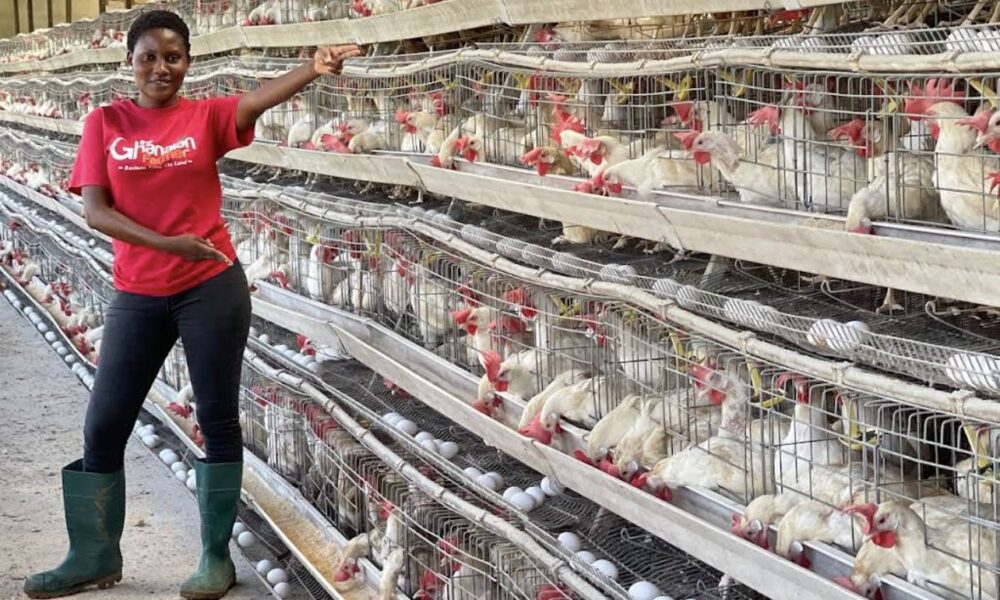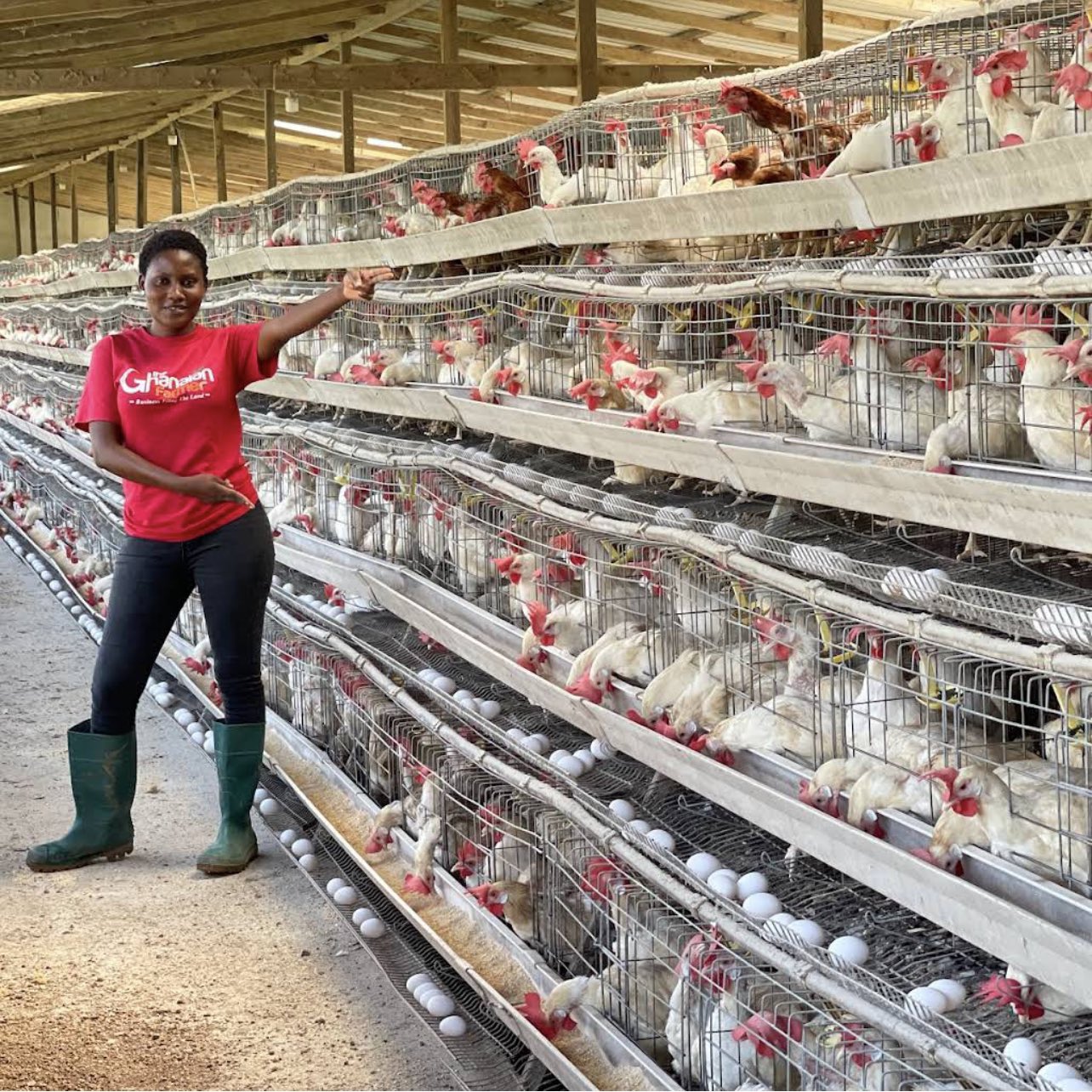
Poultry farming has emerged as one of the most profitable agribusiness ventures worldwide. With the rising demand for poultry products like meat and eggs, many entrepreneurs are now looking to enter this lucrative industry. Whether you’re interested in small-scale backyard farming or large-scale commercial production, starting a poultry farm can be a rewarding endeavor—if done correctly. This comprehensive guide will walk you through everything you need to know about starting a successful poultry farming business.
Understanding Poultry Farming
Poultry farming involves raising domesticated birds such as chickens, ducks, turkeys, and geese for meat, eggs, or feathers. The most common poultry species are chickens, which are further divided into broilers (raised for meat) and layers (raised for eggs). The choice between these types largely depends on your goals, resources, and market demand.
Types of Poultry Farming
- Broiler Farming
- Definition: Broilers are chickens bred specifically for meat production. They have a short growth cycle, typically reaching market weight within 6-7 weeks.
- Advantages: Fast turnaround, high demand for poultry meat, relatively simple to manage.
- Considerations: Requires intensive management, particularly in terms of feeding and health management.
- Layer Farming
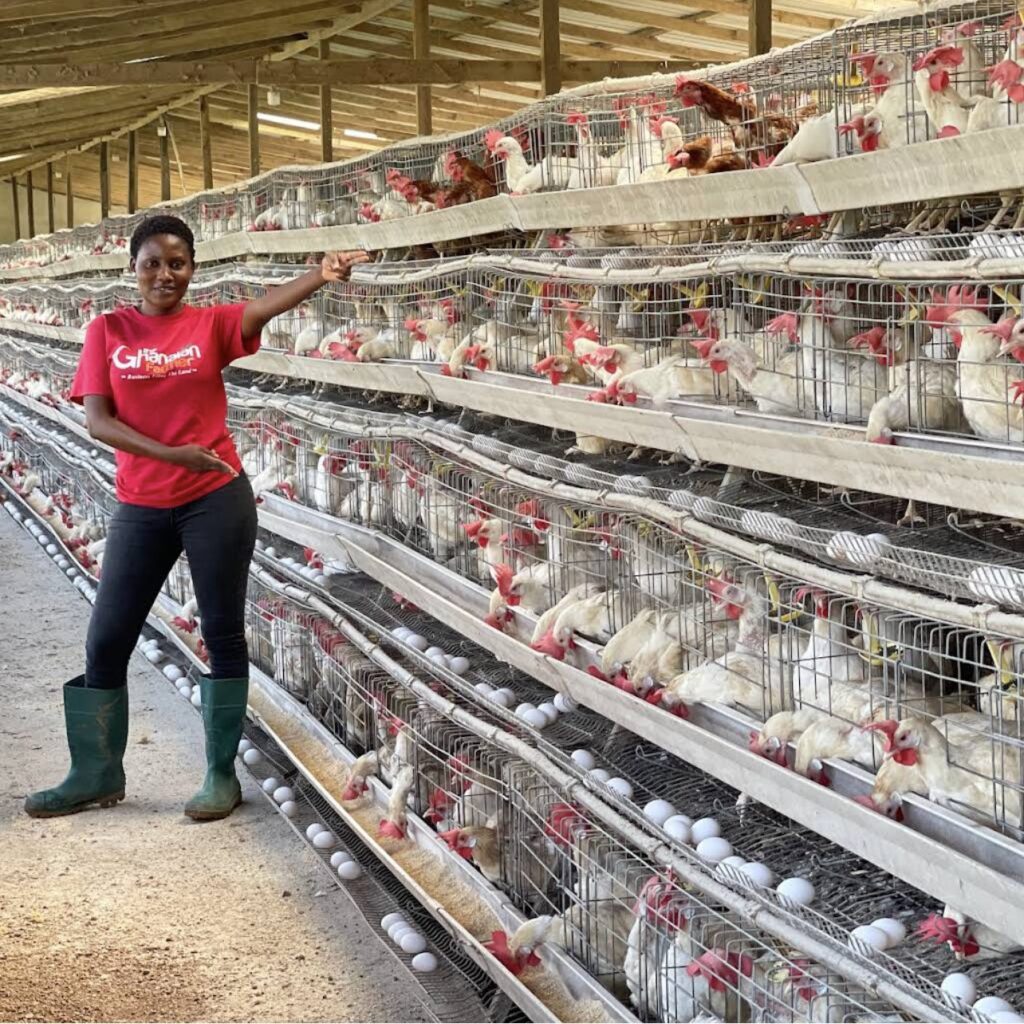
- Definition: Layers are chickens raised primarily for egg production. They start laying eggs at around 18-20 weeks of age and can continue for up to 72 weeks.
- Advantages: Continuous income from egg sales, relatively stable market.
- Considerations: Requires long-term commitment and careful management of nutrition and lighting.
- Free-Range Farming
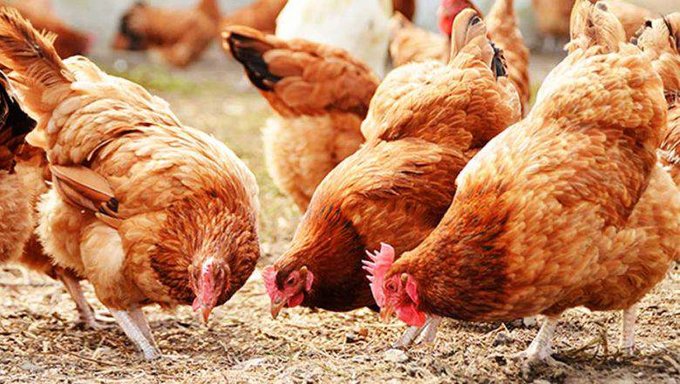
- Definition: Free-range farming allows poultry to roam freely outdoors. This method promotes animal welfare and results in healthier and more natural products.
- Advantages: Growing consumer demand for organic and free-range products, lower feed costs.
- Considerations: Requires more land, increased risk of predation and disease.
- Organic Poultry Farming
- Definition: Organic poultry farming involves raising chickens with organic feed and avoiding synthetic chemicals, antibiotics, and GMOs.
- Advantages: Access to a niche market willing to pay a premium for organic products, environmentally friendly practices.
- Considerations: Higher production costs, stricter regulations and standards.
Steps to Start a Poultry Farming Business
1. Conduct Thorough Market Research
Before you begin, it’s essential to conduct thorough market research to understand the demand for poultry products in your area. Identify potential competitors and assess the market’s capacity to absorb your products. Consider factors such as:
- Local demand: Are there existing gaps in the market that you can fill?
- Competitor analysis: Who are your competitors, and what can you learn from their operations?
- Consumer preferences: Are consumers more interested in organic, free-range, or conventional poultry products?
- Pricing: What are the prevailing market prices for poultry products?.
2. Choose the Right Location
Selecting an appropriate location is critical for the success of your poultry farm. When choosing a site, consider the following factors:
- Climate: Poultry is sensitive to extreme temperatures, so choose a location with a moderate climate.
- Proximity to markets: Being close to markets will reduce transportation costs and allow you to quickly respond to market demands.
- Access to clean water: Poultry requires a constant supply of clean water for drinking and cleaning.
- Space for expansion: Choose a location that allows for future expansion if your business grows.
3. Decide on the Type of Poultry Farming
Your market research will help you decide whether to focus on broilers, layers, or another type of poultry farming. Each type has its own set of requirements and challenges, so make an informed decision based on your goals and available resources.
4. Develop a Solid Business Plan
A well-thought-out business plan is essential for any successful venture. Your poultry farming business plan should include:
- Executive Summary: An overview of your business, including your goals and mission statement.
- Market Analysis: Detailed research on your target market, competitors, and industry trends.
- Business Structure: Information on your farm’s legal structure, management team, and operational plan.
- Financial Projections: Estimates of startup costs, recurring expenses, and projected revenue.
- Marketing Strategy: Plans for promoting your products and reaching your target audience.
5. Build a Suitable Poultry House
The poultry house is one of the most critical aspects of your farm. It must be designed to provide a safe and comfortable environment for your birds. Consider the following when building a poultry house:
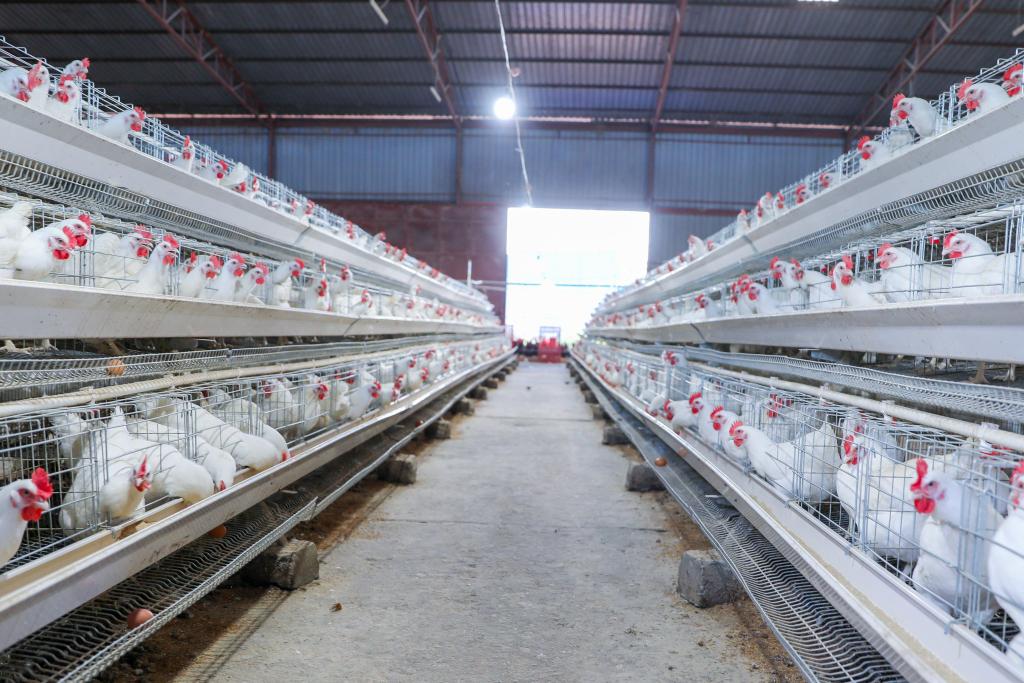
- Size: Ensure the house is large enough to accommodate your flock without overcrowding. Overcrowding can lead to stress and disease.
- Ventilation: Proper ventilation is essential to maintain air quality and prevent respiratory issues.
- Lighting: Adequate lighting is necessary for layers to stimulate egg production. Consider installing artificial lights to maintain a consistent light cycle.
- Biosecurity: Implement strict biosecurity measures to prevent the introduction and spread of diseases.
6. Select the Right Poultry Breeds
The success of your poultry farm largely depends on the breeds you choose. Some breeds are better suited for meat production, while others excel in egg-laying. Here are some popular poultry breeds:
- Broilers: Cornish Cross, Ross 308—known for their rapid growth and high feed conversion ratio.
- Layers: Rhode Island Red, Leghorn—renowned for their high egg production and adaptability.
- Dual-Purpose Breeds: Plymouth Rock, Sussex—suitable for both meat and egg production.
7. Invest in Quality Feeding and Nutrition
Proper feeding and nutrition are crucial for the health and productivity of your poultry. Invest in high-quality feed that meets the specific nutritional needs of your birds. Key considerations include:
- Starter Feed: Formulated for chicks, providing the necessary nutrients for growth.
- Grower Feed: Designed for growing birds, focusing on balanced protein and energy levels.
- Layer Feed: High in calcium to support eggshell formation in laying hens.
- Water Supply: Ensure your birds have access to clean, fresh water at all times.
8. Implement Effective Health Management Practices
Maintaining the health of your flock is paramount to the success of your poultry farm. Implement the following health management practices:
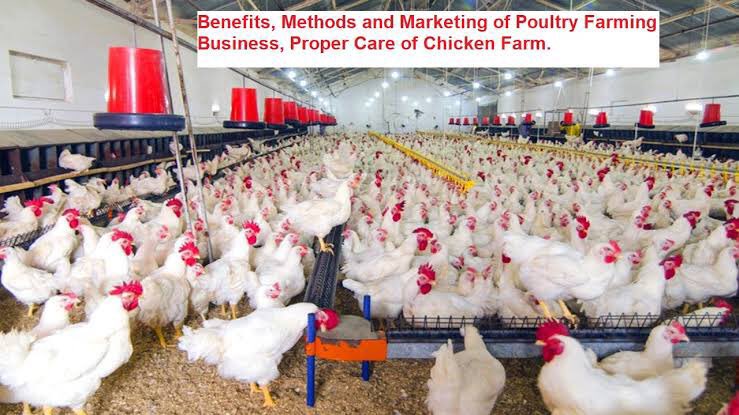
- Vaccination: Regular vaccination is essential to protect your flock from common poultry diseases.
- Disease Prevention: Practice good hygiene, disinfect equipment regularly, and isolate sick birds to prevent disease spread.
- Regular Checkups: Schedule regular health checkups with a veterinarian to monitor the overall health of your flock.
- Biosecurity Measures: Control the movement of people and animals on your farm to reduce the risk of disease introduction.
9. Market Your Poultry Products
A successful marketing strategy is essential to ensure your poultry products reach your target audience. Consider the following marketing techniques:
- Online Presence: Create a website and use social media platforms to promote your products and engage with potential customers.
- Local Markets: Sell your products at local farmers’ markets or directly to consumers in your area.
- Wholesale Contracts: Establish relationships with local retailers, restaurants, and supermarkets to secure long-term contracts.
- Value-Added Products: Consider offering value-added products such as processed chicken, packaged eggs, or ready-to-cook poultry products.
10. Calculate the Cost of Starting Poultry Farming
Starting a poultry farm requires a significant investment, especially in the initial stages. Costs to consider include:
- Land and Infrastructure: Purchase of land, construction of poultry houses, and other infrastructure.
- Equipment: Feeders, waterers, incubators, lighting, and ventilation systems.
- Poultry Stock: Cost of purchasing chicks or adult birds.
- Feed and Supplements: Recurring cost of feed, vitamins, and supplements.
- Labor: Wages for farm workers, if necessary.
- Health Management: Veterinary services, vaccination, and disease prevention measures.
Common Challenges in Poultry Farming and How to Overcome Them
- Disease Outbreaks
- Challenge: Disease outbreaks can decimate a flock and result in significant financial losses.
- Solution: Implement strict biosecurity measures, regular vaccination, and prompt treatment of sick birds. Regularly clean and disinfect the poultry house and equipment.
- Market Fluctuations
- Challenge: Poultry prices can fluctuate due to changes in demand, supply chain disruptions, or economic factors.
- Solution: Diversify your products by offering both eggs and meat. Establish long-term contracts with buyers to ensure a steady income stream.
- High Feed Costs
- Challenge: Feed costs can account for up to 70% of the total cost of poultry farming.
- Solution: Explore alternative feed sources, produce your own feed, or collaborate with other farmers to buy feed in bulk at a discounted rate.
- Predation
- Challenge: Predators such as foxes, hawks, and snakes can threaten your poultry, particularly in free-range systems.
- Solution: Secure the poultry house with predator-proof fencing and consider using guard animals such as dogs to protect the flock.
- Labor Shortages
- Challenge: Managing a poultry farm requires skilled labor, and finding reliable workers can be challenging.
- Solution: Invest in training for your workers and consider automating some processes to reduce labor requirements.