Kenyans are bracing for tougher financial times as new tax changes take effect following President William Ruto’s signing of the Tax Amendment Act and the Tax Procedures Act on December 11, 2024. These sweeping reforms, effective December 27, 2024, will hit consumers, retirees, and digital workers hard, with rising deductions and increased costs across the board.
Higher Costs for Everyday Goods
The revised tax laws, including adjustments to the Income Tax Act, VAT Act, and Excise Duty Act, will make life more expensive for Kenyans. Excise duty increases will push up prices for essential goods such as sugar, alcohol, and plastics. At the same time, the cost of importing goods will rise, as the Railway Development Levy has been increased from 1.5% to 2%.
Tax expert Kevin Chege explained the impact, stating:
“Excise duty rates for some services have increased sharply, making life more expensive for Kenyans. Imported goods are also hit by a higher Railway Development Levy, raising import costs.”
These changes are expected to drive up the cost of living, with consumers already struggling under the weight of inflation.
Retirees Hit Hard by Tax Relief Removal
Retirees will not be spared the impact of these changes. The removal of the 15% tax relief on contributions to post-retirement medical funds will mean higher expenses for retirees, who had previously benefited from a cap of Ksh.60,000 annually. This adjustment leaves retirees fully responsible for their medical fund contributions, making their golden years more financially challenging.
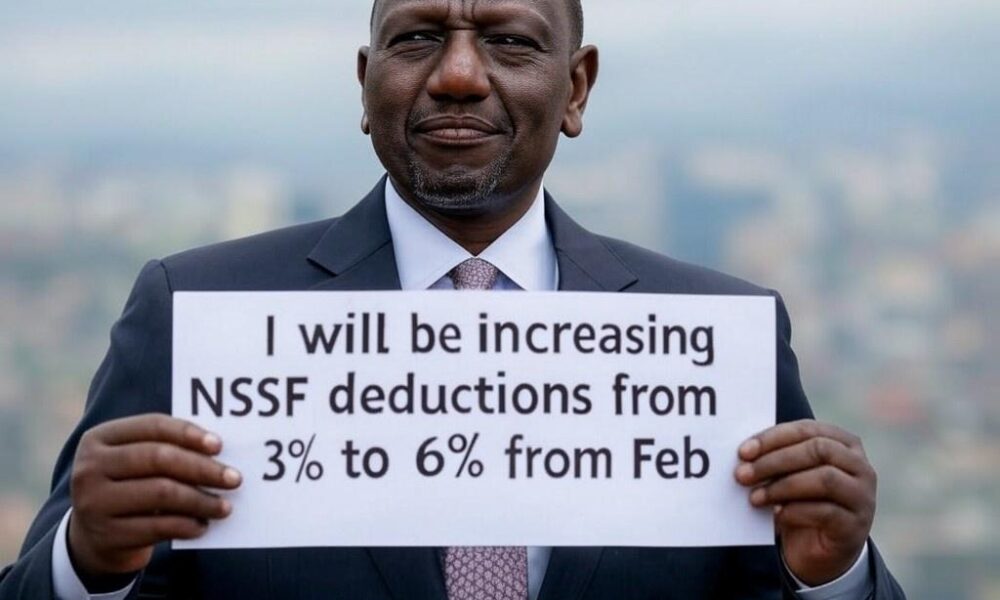
NSSF Contributions to Double in February
Salaried Kenyans are also in for a shock as National Social Security Fund (NSSF) contributions are set to double in February 2025. Under the NSSF Act of 2013, the current contribution of Ksh.2,160 will increase to Ksh.4,320, following a similar increase in February 2024.
Chege highlighted the progression, saying:
“In 2023, contributions were Ksh.1,080. These doubled to Ksh.2,160 in February 2024 and will double again in February 2025 to Ksh.4,320.”
This increase will take a significant chunk out of Kenyan payslips, adding to the growing financial burden on households.
Digital Sector Faces New Tax Rules
The digital service tax has been replaced with the Significant Economic Presence Tax, which rises from 1.5% to 3% of turnover. This change will affect online businesses and workers, who are already grappling with a 5% withholding tax on digital platforms. These changes threaten to reduce earnings for players in Kenya’s booming digital sector, further complicating the outlook for the industry.
How to Prepare for the Changes
With tax changes looming, experts are urging Kenyans to take advantage of available tax amnesties and ensure compliance to avoid penalties. As excise duty hikes and higher contributions to the NSSF come into effect, Kenyans must adjust their financial plans to navigate these challenging times.
From increasing NSSF deductions in February to rising consumer prices driven by excise duty hikes, the impact of Kenya’s new tax regime will be deeply felt across the country. The digital service tax reforms and the removal of retiree tax relief add to the growing financial strain. The time to prepare is now—these changes are here to stay.