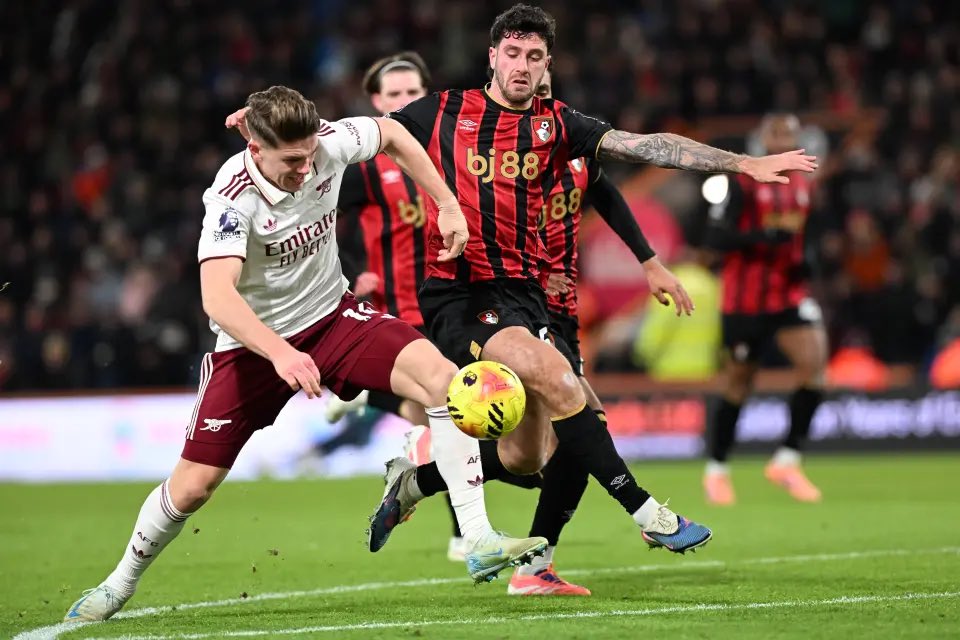
On 8 January 2026 at 23:00 GMT, Arsenal and Liverpool will meet at the Emirates Stadium in one of the Premier League’s most historically rich and tactically fascinating fixtures. Few match-ups in English football carry the same weight, intensity and long-standing rivalry as Arsenal versus Liverpool. This encounter is shaped not only by league positioning and current form, but by decades of dramatic meetings, tactical evolution and contrasting football philosophies.
This article provides an objective, in-depth analysis of the fixture, examining head-to-head statistics, recent trends, team strengths and weaknesses, and broader season context — without prediction.
Arsenal vs Liverpool: Head-to-Head Record
Arsenal and Liverpool have faced each other extensively across league and cup competitions. In the Premier League era, Liverpool have enjoyed a numerical advantage in wins, though draws and high-scoring encounters have been a defining feature of this rivalry.
Premier League Head-to-Head Summary
| Statistic | Arsenal | Liverpool |
|---|---|---|
| Matches Played | 23 | 23 |
| Wins | 4 | 10 |
| Draws | 9 | 9 |
| Goals Scored | 36 | 44 |
| Goals Conceded | 44 | 36 |
| Average Goals per Match | 1.57 | 1.91 |
| Both Teams Scored | 17 matches | 17 matches |
| Matches Over 2.5 Goals | 18 | 18 |
These figures highlight several trends. Liverpool have won more league meetings, but Arsenal have remained competitive, with nearly 40 percent of matches ending in draws. The high goal totals reflect attacking intent on both sides, with matches frequently producing open play and momentum shifts.
Recent Meetings: A Pattern of Goals and Tactical Battles
Recent encounters underline how evenly matched these teams have become in modern seasons.
- In August 2025, Liverpool edged a narrow victory at Anfield in a game decided by fine margins, defensive discipline and set-piece execution.
- In May 2025, both teams shared a high-intensity draw in a match featuring late goals and shifting momentum.
- The October 2024 meeting at the Emirates ended level after an open contest marked by pressing, transitions and attacking ambition.
- Arsenal recorded a notable home victory in early 2024, showcasing sharp attacking movement and improved midfield control.
- A draw in late 2023 reinforced the trend of closely fought encounters, with both sides cancelling each other out tactically.
Across the last several seasons, Arsenal vs Liverpool fixtures have rarely been one-sided. Instead, they have been characterised by tactical adjustments, midfield battles and a consistent flow of goal-scoring chances.
Arsenal: Strengths
1. Attacking Fluidity and Positional Rotation
Arsenal’s attacking structure is built around movement, interchange and technical quality. Wide players drift inside, midfielders advance into the box, and full-backs support attacks high up the pitch. This fluidity makes Arsenal difficult to mark and allows them to create chances from multiple angles.
2. Home Control and Confidence
At the Emirates Stadium, Arsenal often play with greater control and authority. Familiarity with pitch dimensions and crowd support enhances their tempo and confidence, particularly in possession-based phases.
3. Midfield Balance
Arsenal’s midfield blends ball retention with progressive passing. The ability to recycle possession under pressure and transition quickly into attack has been central to their performances against top opposition.
4. Youthful Energy and Pressing
The squad contains several young players who contribute energy, pressing intensity and quick recovery during defensive phases. This allows Arsenal to sustain pressure higher up the pitch.
Arsenal: Weaknesses
1. Defensive Concentration
Despite overall improvement, Arsenal have conceded goals through lapses in concentration, particularly when defending quick transitions or second-phase set-piece situations.
2. Exposure Against Fast Counter-Attacks
When committing numbers forward, Arsenal can leave spaces behind their full-backs. Teams capable of rapid forward transitions have exploited these moments.
3. Managing Game Phases
At times, Arsenal struggle to slow games down after scoring. Maintaining composure and game management during high-tempo fixtures remains an area for refinement.
4. Dependence on Key Creators
When creative midfielders are tightly marked or unavailable, Arsenal’s chance creation can become predictable, placing greater emphasis on wide play.
Liverpool: Strengths
1. Historical Edge in Big Fixtures
Liverpool’s record in high-profile matches reflects a mentality shaped by experience and sustained success. They have consistently performed well in high-pressure environments.
2. Transitional Speed
Liverpool remain one of the most dangerous teams in transition. Their ability to move from defence to attack within seconds creates goal-scoring opportunities even when possession is evenly shared.
3. Squad Depth
Liverpool possess depth across multiple positions, allowing rotation without a significant drop in quality. This is especially valuable during congested fixture periods.
4. Set-Piece Efficiency
Both offensively and defensively, Liverpool have been effective from set plays. Delivery quality and movement inside the penalty area often provide an additional scoring route.
Liverpool: Weaknesses
1. Late-Game Defensive Issues
Recent performances have highlighted challenges in closing out matches. Goals conceded in the latter stages have cost Liverpool points despite periods of dominance.
2. Maintaining Defensive Shape
At times, Liverpool’s high defensive line has been vulnerable to direct balls played into space behind, particularly against teams with pace in wide areas.
3. Rhythm Disruption Through Rotation
While squad depth is a strength, frequent changes can affect rhythm and understanding, particularly in defensive partnerships.
4. Attacking Reliance on Transitions
When opponents successfully limit counter-attacking opportunities, Liverpool occasionally struggle to break down compact defensive blocks through sustained possession.
Tactical Comparison
Contrasting Philosophies
Arsenal generally prioritise structured possession, positional play and progressive build-up. Liverpool favour pressing intensity, transitional speed and vertical attacks. These philosophical differences shape the rhythm of their meetings.
Midfield as the Key Battleground
Matches between these sides are often decided in midfield. Arsenal seek control through passing networks, while Liverpool aim to disrupt rhythm through pressing and quick recoveries.
Goal Patterns
A consistent theme in this fixture is goal involvement from both teams. Defensive solidity is tested repeatedly as each side commits numbers forward, resulting in open phases of play.
Season Context Ahead of January Meeting
As the Premier League enters the new year, both clubs remain closely involved in the title race and European qualification positions. Arsenal’s recent performances highlight resilience and attacking consistency, while Liverpool’s unbeaten run reflects stability despite occasional defensive setbacks.
Fixture congestion, squad rotation and injury management are increasingly influential factors. Both teams balance domestic commitments with European ambitions, adding strategic complexity to selection and match preparation.
Why This Fixture Matters
Arsenal vs Liverpool is more than a regular league game. It is a fixture shaped by:
- Decades of rivalry and memorable encounters
- High-scoring historical trends
- Contrasting tactical identities
- Direct impact on the Premier League title narrative
The January timing adds further significance, as results during this phase often influence momentum for the remainder of the season.
Conclusion
The Arsenal vs Liverpool clash on 8 January 2026 represents one of the Premier League’s most compelling match-ups. Historical data shows Liverpool with a numerical edge, but Arsenal’s home performances and attacking development ensure competitive balance. Strengths and weaknesses on both sides point toward a contest shaped by tactical discipline, midfield control and attacking efficiency rather than reputation alone.