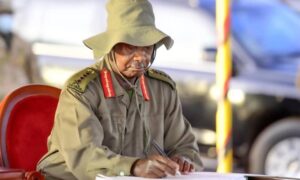
Uganda’s long-serving president Yoweri Museveni has been re-elected for a seventh term, securing about 7.9 million votes, or 71.6%, according to results announced by the country’s Electoral Commission.
His closest challenger, opposition leader Bobi Wine, received around 2.7 million votes. He has rejected the outcome, describing the results as “fake” and accusing authorities of widespread electoral fraud.
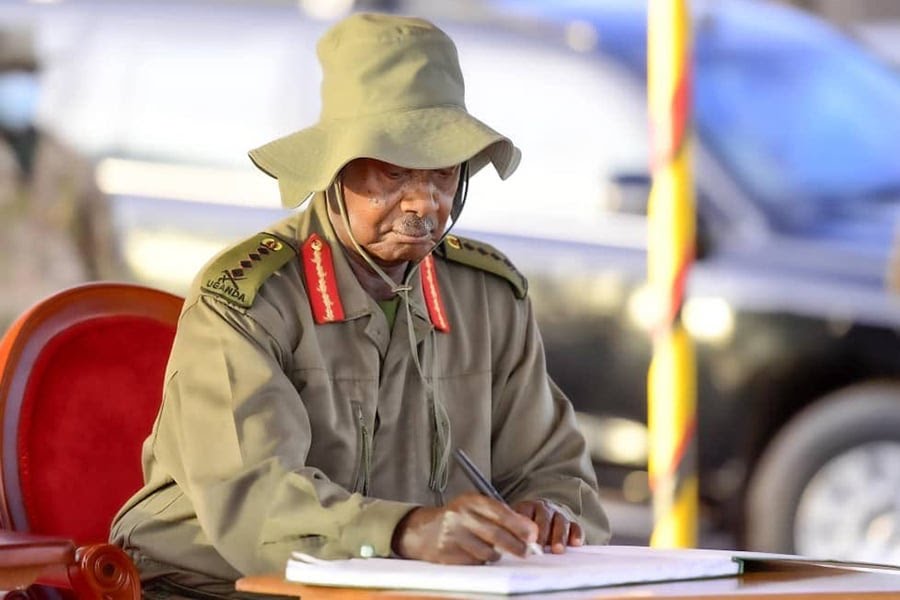
Mr Museveni, who has ruled Uganda since 1986, will now extend his leadership into a fifth decade. The 81-year-old campaigned on a platform of stability, economic growth and national security, portraying himself as the guarantor of peace in a country with a turbulent past.
The election took place amid tight security, an internet shutdown and restrictions on opposition activity, measures the government said were necessary to maintain order. Critics, including opposition figures and civil society groups, argue the steps limited transparency and hampered independent scrutiny of the vote.
Bobi Wine, a former pop star turned politician, has repeatedly alleged intimidation, ballot manipulation and harassment of his supporters during the campaign. He has called on Ugandans and the international community not to recognise the declared results.
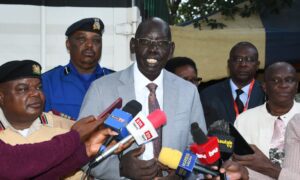
Police have denied claims of unlawful detention of opposition leaders but confirmed heightened security measures in parts of the capital, Kampala, following the announcement.
International observers and human rights organisations have raised concerns about the overall electoral environment, pointing to media restrictions, arrests of opposition supporters and the use of force during the campaign period. The government has rejected accusations of rigging, insisting the vote reflected the will of the people.
The disputed result is expected to keep Uganda politically tense in the coming days, as the opposition considers its next steps and the country prepares for another term under Africa’s longest-serving leaders.