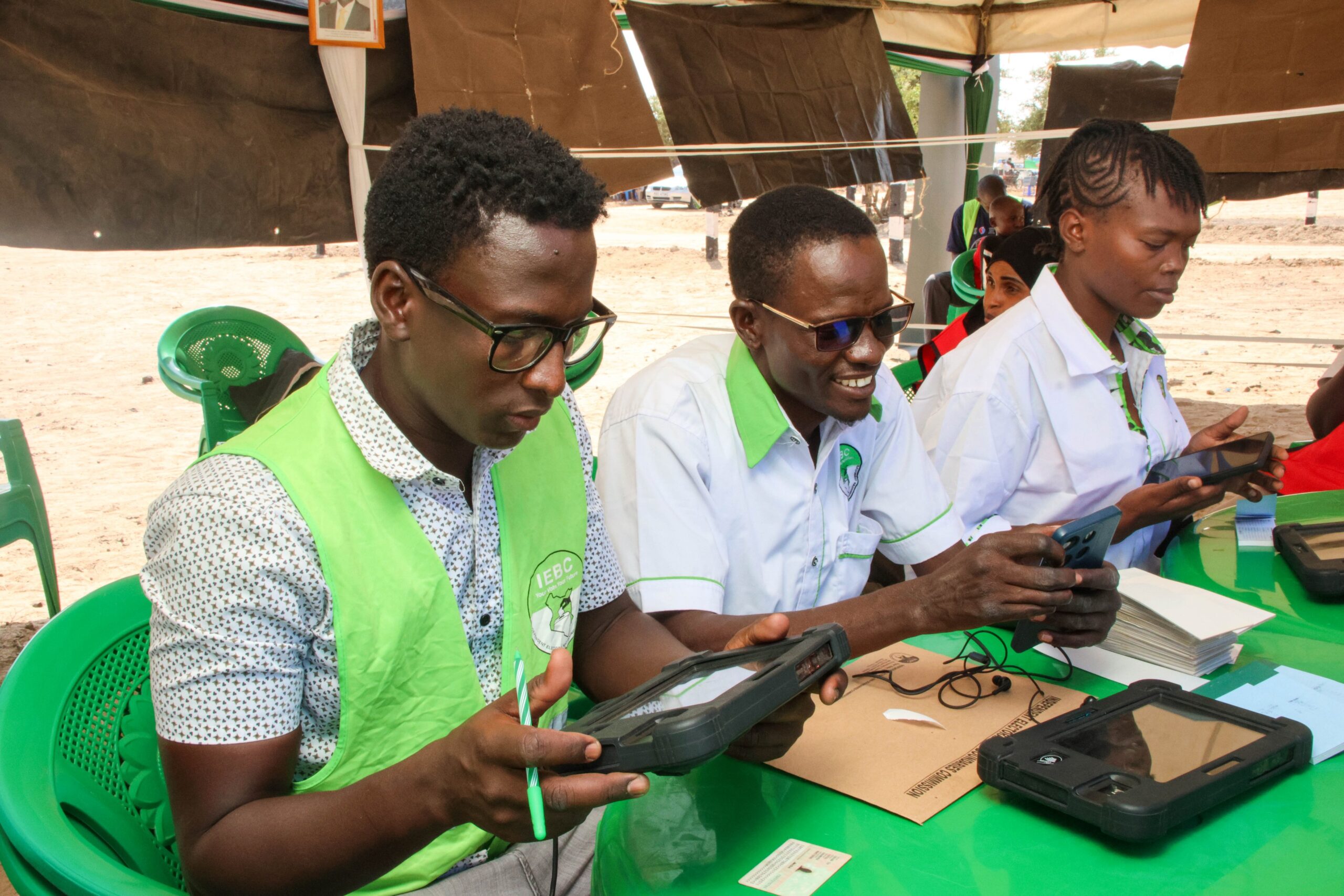
The democratic process in Kenya is gearing up for a critical test as the Independent Electoral and Boundaries Commission (IEBC) has officially called for applications for accreditation to observe the upcoming by-elections. In a public notice released, the commission invited eligible organizations to apply for accreditation as either Election Observers or Media Practitioners for the by-elections scheduled for Thursday, 26th February 2026. This marks a crucial phase in the electoral calendar, ensuring that the processes are transparent, credible, and covered with the utmost integrity.
With the application deadline set for Friday, 6th February 2026, at 5:00 PM, the window for submission is now open. All interested organizations must act swiftly and submit their applications exclusively through the IEBC’s dedicated online portal, the Accreditation Management System (AMS), accessible at https://ams.iebc.or.ke. The commission has explicitly stated that this digital application process requires a stable and reliable internet connection, underscoring its commitment to a streamlined, modernized system.
Why This Accreditation Matters
By-elections, though focused on specific constituencies or wards, are often intense microcosms of the national electoral environment. They can be influenced by local dynamics, high-stakes political maneuvering, and significant public scrutiny. The role of accredited observers and media is therefore not merely procedural but foundational to public trust. Observers act as the independent eyes of the civil society and international community, monitoring every stage from the opening of polling stations to the final tallying of results. Their reports provide an impartial assessment of the fairness and freedom of the electoral process.
Similarly, accredited media practitioners are the vital link between the electoral process and the citizenry. Their access enables them to report accurately from inside polling stations and tallying centers, providing real-time, factual information that counters misinformation and allows the public to engage with the process confidently. The IEBC’s structured accreditation process is designed to legitimize these actors, providing them with the official badges necessary for unimpeded access while also holding them accountable to a code of conduct.
Key Dates and Contact Information at a Glance
Prospective applicants must mark their calendars and note the following critical information:
| Item | Detail |
|---|---|
| Event | By-Elections 2026 |
| Election Date | 26th February 2026 |
| Accreditation Deadline | 6th February 2026, 5:00 PM |
| Application Portal | IEBC Accreditation Management System (AMS) |
| Portal Website | https://ams.iebc.or.ke |
| Primary Contact Tel | (020) 287 7000 |
| Accreditation Email | accreditation@iebc.or.ke |
The Accreditation Process: A Step-by-Step Guide
Understanding the application process is key to a successful submission. While the IEBC will provide specific guidance on the AMS portal, the general framework typically involves:
- Organization Registration: Eligible organizations—which can include local Civil Society Organizations (CSOs), international observer missions, reputable media houses, and professional journalistic associations—must first register on the AMS platform. This involves providing official registration details, proof of legal status, and historical background.
- Delegate Nomination: After organization registration, the next step is to nominate individual observers or journalists who will be deployed to the field. This requires submitting personal details, identification documents, and often, proof of relevant experience in election observation or journalism.
- Submission and Review: Once the application is complete, it is submitted electronically for review by the IEBC’s accreditation committee. The commission scrutinizes applications to ensure that only credible and professional entities are granted access.
- Training and Badging: Approved organizations and their delegates will be required to attend mandatory training sessions conducted by the IEBC. These sessions are critical for aligning all stakeholders with the electoral laws, codes of conduct, observation guidelines, and security protocols. Upon completion, official identification badges are issued. It is crucial to note that these badges are non-transferable and must be worn visibly at all times within election venues.
The Mandatory Training and Code of Conduct
The IEBC’s training for accredited persons is not a mere formality. For observers, it covers the legal framework of Kenyan elections, the specific procedures for voting, counting, and tallying, and the standardized methods for reporting findings and incidents. Observers are trained to be neutral, non-intrusive, and meticulous in their documentation.
For media practitioners, training often emphasizes ethical reporting, understanding electoral offenses to avoid committing them inadvertently, and protocols for interacting with election officials, security officers, and the public within polling stations. Both groups are drilled on the importance of their role in safeguarding the process without becoming participants in it.
A pivotal point reiterated in the IEBC notice is the disclaimer: “The IEBC Does Not Pay Observers and Media Practitioners.” This is a standard and essential clause to underscore the independence of accredited persons. Their remuneration or funding must come from their parent organizations, not the electoral body, to eliminate any perception of bias or obligation.
The Broader Context: Kenya’s Electoral Landscape
The announcement for these by-elections in early 2026 sits within a context of continuous electoral reform and public expectation in Kenya. The IEBC itself is often under immense pressure to deliver flawless elections. By-elections serve as critical benchmarks for testing new technologies, procedures, and levels of preparedness ahead of a General Election. They offer a chance to evaluate the updated voter registers, the efficiency of election materials distribution, and the effectiveness of security arrangements in a more contained setting.
For media and observers, these events are opportunities to build capacity, establish working relationships with IEBC staff, and refine their own monitoring and reporting methodologies. The lessons learned in February 2026 will undoubtedly inform approaches to the next national poll.
Navigating Challenges and Ensuring Success
Applicants should be aware of potential challenges. The online application system, while efficient, may experience high traffic as the deadline approaches. The IEBC’s advice to have a stable internet connection is practical. Organizations should not wait until the final day to apply. Furthermore, ensuring that all nominated individuals have clear, valid identification and are available for the mandatory in-person training is essential.
For international observers, early application is even more critical to allow time for logistical and administrative planning. Local CSOs should ensure their registration documents are up-to-date and readily available in digital format.
Conclusion: A Call to Uphold Democratic Integrity
The IEBC’s call for accreditation is more than an administrative task; it is an invitation to be a guardian of Kenya’s democratic process. The credibility of the February 2026 by-elections will be significantly shaped by the quality, professionalism, and vigilance of the accredited observers and media who witness them.
All interested and eligible organizations are urged to heed this call, navigate to the AMS portal, and begin their applications promptly. By doing so, they contribute to a transparent, accountable, and peaceful electoral exercise, reinforcing the democratic gains of the nation. The eyes of the concerned constituencies and the nation will be on these proceedings, making the role of every accredited individual one of profound responsibility and importance.