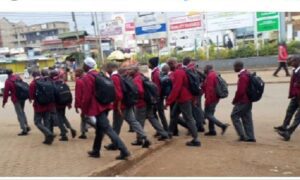
Parents across Kenya are up in arms over the rising cases of schools demanding remedial and other illegal fees, despite the government’s pledge to provide free basic education. As students reported back for the third and final term, numerous parents complained that their children were being locked out of class unless they cleared extra charges labeled as remedial, activity, or development fees.
The issue has sparked outrage, especially among low-income families already struggling with the high cost of living. Many parents argue that the introduction of unauthorized levies contradicts the government’s free education policy, which was meant to ensure every child has access to learning without financial barriers.
Education stakeholders warn that the problem is being fueled by financial challenges facing schools, with many institutions grappling with delayed capitation funds from the National Treasury. According to school heads, billions of shillings meant for the first and second term are yet to be released, leaving institutions on the brink of paralysis. Headteachers say the delay has made it difficult to pay suppliers, fund remedial lessons, or even provide basic services like water and electricity.
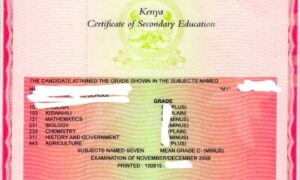
The third term is regarded as the most critical, especially for candidates preparing for the Kenya Certificate of Primary Education (KCPE) and the Kenya Certificate of Secondary Education (KCSE). Parents now fear that the financial crisis could disrupt the exam season, potentially affecting the quality of education and performance of thousands of learners across the country.
In response, the National Treasury has assured the public that funds will soon be disbursed to schools. However, education experts caution that delays have become a recurring challenge that threatens the sustainability of free education in Kenya. They are urging the government to prioritize timely release of capitation funds, noting that financial instability has pushed many schools to resort to illegal charges in order to survive.
Parents’ associations and civil society groups are also calling on the Ministry of Education to tighten oversight and crack down on schools imposing illegal levies. They insist that safeguarding free education in Kenya is the only way to protect vulnerable families and uphold the constitutional right to education.
Unless urgent action is taken, the crisis could deepen, leaving parents frustrated, schools cash-strapped, and learners caught in the middle of a system struggling to balance promises with reality.