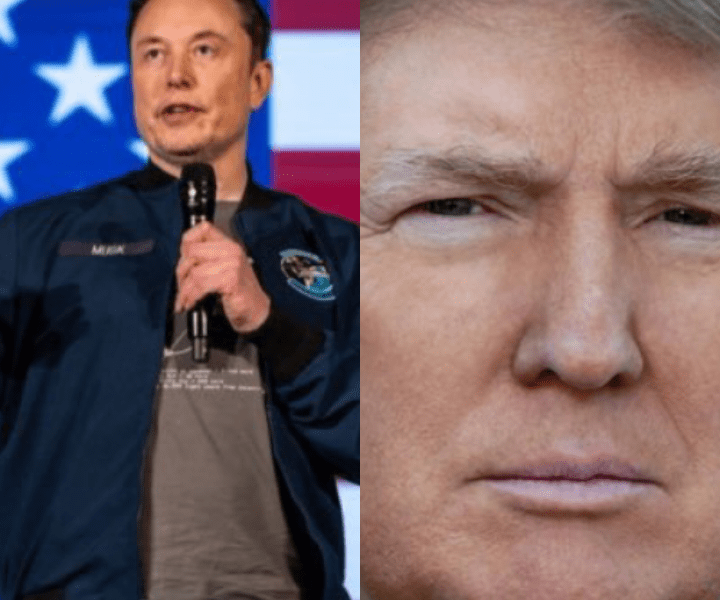
Tech billionaire Elon Musk uncovers shocking $100 billion in suspect government payments, pushing for urgent reforms to curb fraud and improve transparency.
Introduction
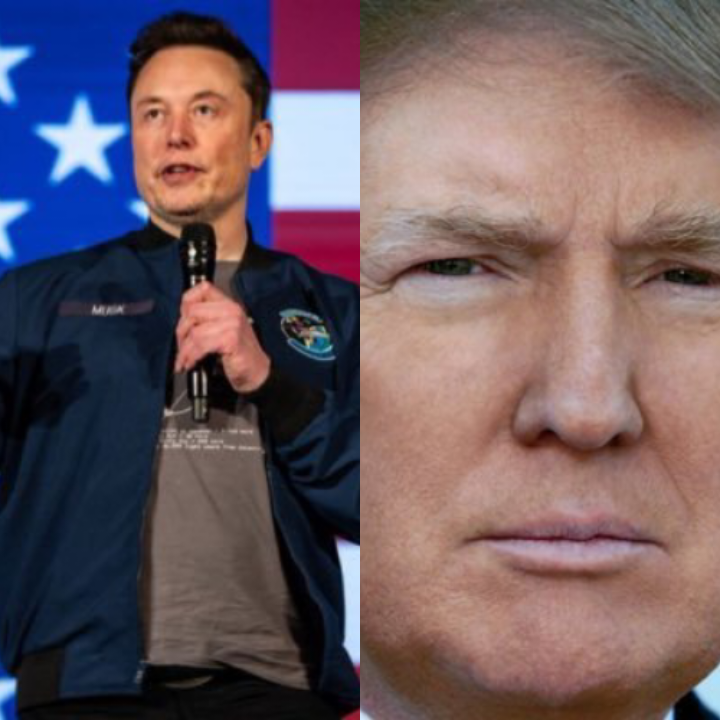
Elon Musk, the enigmatic billionaire and head of the Department of Government Efficiency (DOGE), has sounded the alarm on what he describes as a “staggering” level of potential fraud within U.S. government payment systems. Musk claims that over $100 billion in annual payments are being made to individuals without Social Security numbers or temporary IDs, with roughly half of these payments suspected to be fraudulent. His revelations have sparked a heated debate about government accountability and the need for urgent reforms.
In a detailed statement posted on X (formerly Twitter), Musk outlined a series of proposed changes aimed at improving the tracking and transparency of government expenditures. These reforms, which are being implemented by long-time career government employees, include stricter auditing requirements, mandatory payment categorization, and more frequent updates to the government’s “Do-Not-Pay” list. Musk’s involvement has brought renewed attention to the issue, but it has also raised questions about his influence and access to sensitive federal data.
The $100 Billion Question: How Did We Get Here?
According to Musk, the U.S. Treasury is currently making over 100billioninannualpaymentstoindividualswholackSocialSecuritynumbersortemporaryIDs.Thisrevelationhasraisedseriousconcernsabouttheintegrityofthegovernment′spaymentsystems.Muskestimatesthatapproximatelyhalfofthesepayments—100billioninannualpaymentstoindividualswholackSocialSecuritynumbersortemporaryIDs.Thisrevelationhasraisedseriousconcernsabouttheintegrityofthegovernment′spaymentsystems.Muskestimatesthatapproximatelyhalfofthesepayments—50 billion annually—could be fraudulent.
When pressed for details, Musk revealed that Treasury officials admitted to having no clear mechanism for tracking these payments or verifying the identities of recipients. “This is utterly insane and must be addressed immediately,” Musk wrote on X. “We’re talking about $1 billion in potential fraud every week. That’s money that could be going to legitimate programs, infrastructure, or even reducing the national debt.”
The lack of oversight is particularly troubling given the existence of the government’s “Do-Not-Pay” list, which is designed to prevent payments to fraudulent entities, deceased individuals, or organizations linked to terrorism. However, Musk pointed out that the list is often ignored, and it can take up to a year for new entries to be added. “This list should be updated at least weekly, if not daily,” he argued.
Proposed Reforms: A Step Toward Transparency
Musk’s proposed reforms focus on three key areas: payment categorization, payment rationale, and the Do-Not-Pay list.
- Payment Categorization: Musk is pushing for all outgoing government payments to include a categorization code, which is essential for financial audits. Currently, this field is frequently left blank, making it nearly impossible to track how funds are being spent. “This is super obvious and necessary,” Musk wrote. “It’s ridiculous that these changes didn’t exist already.”
- Payment Rationale: In addition to categorization codes, Musk is calling for all payments to include a brief rationale in the comment field. While the rationale would not be subject to immediate judgment, its inclusion would provide a basic level of accountability. “We’re not asking for much—just some attempt to explain the payment,” Musk said.
- Do-Not-Pay List: Musk wants to see the Do-Not-Pay list updated more frequently and enforced more rigorously. He also criticized the current process for adding new entries, which can take up to a year. “This is far too long,” he said. “We need to be proactive in preventing fraud, not reactive.”
The Broader Implications: Accountability and Trust
Musk’s revelations have reignited a broader debate about government accountability and the need for greater transparency in public spending. Critics argue that the $100 billion in suspect payments is just the tip of the iceberg, pointing to longstanding issues with waste, fraud, and abuse in government programs.
“Elon Musk has shone a light on a problem that has been festering for years,” said John Smith, a government accountability expert at the Brookings Institution. “The fact that we’re only now addressing these issues is a testament to how broken the system has become.”
However, Musk’s involvement has also drawn criticism from those who question his motives and access to sensitive data. Some have accused him of overstepping his bounds as a private citizen, while others have raised concerns about the potential for political bias in his reforms.
“Elon Musk is not an elected official, and yet he seems to have unprecedented access to federal data,” said Jane Doe, a political analyst at Harvard University. “While his concerns may be valid, we need to ensure that any reforms are carried out in a transparent and nonpartisan manner.”
The Road Ahead: Challenges and Opportunities
Implementing Musk’s proposed reforms will not be easy. The U.S. government is a sprawling bureaucracy with countless agencies, departments, and programs, each with its own unique challenges and complexities. Streamlining payment systems and improving oversight will require significant investment in technology, personnel, and training.
Moreover, the political landscape is fraught with challenges. Any attempt to reform government spending is likely to face resistance from special interest groups, lobbyists, and even some lawmakers. “This is going to be an uphill battle,” said Smith. “But if we’re serious about reducing waste and fraud, it’s a battle worth fighting.”
Despite these challenges, Musk remains optimistic. “The changes we’re proposing are common sense,” he said. “They’re not revolutionary—they’re just necessary. If we can implement these reforms, we can save billions of dollars and restore trust in government.”
Conclusion: A Call to Action
Elon Musk’s revelations about $100 billion in suspect government payments have sparked a much-needed conversation about accountability and transparency in public spending. While his proposed reforms are a step in the right direction, they are only the beginning. Addressing the root causes of waste, fraud, and abuse will require a sustained effort from policymakers, government officials, and the public.
As Musk himself put it, “This is not about politics or ideology. It’s about doing what’s right for the American people. We owe it to them to ensure that their tax dollars are being spent wisely and responsibly.”
The road ahead will be long and difficult, but with leaders like Elon Musk pushing for change, there is hope that a more efficient and accountable government is within reach.
Key Takeaways:
- Elon Musk has uncovered 100billioninsuspectgovernmentpayments,with100billioninsuspectgovernmentpayments,with50 billion potentially fraudulent.
- Proposed reforms include stricter payment categorization, mandatory payment rationales, and more frequent updates to the Do-Not-Pay list.
- The revelations have sparked a broader debate about government accountability and transparency.
- Implementing reforms will require significant investment and political will, but the potential savings and benefits are substantial.