US Moves to Assist White Farmers Fleeing South Africa
Washington, D.C. – February 7, 2025
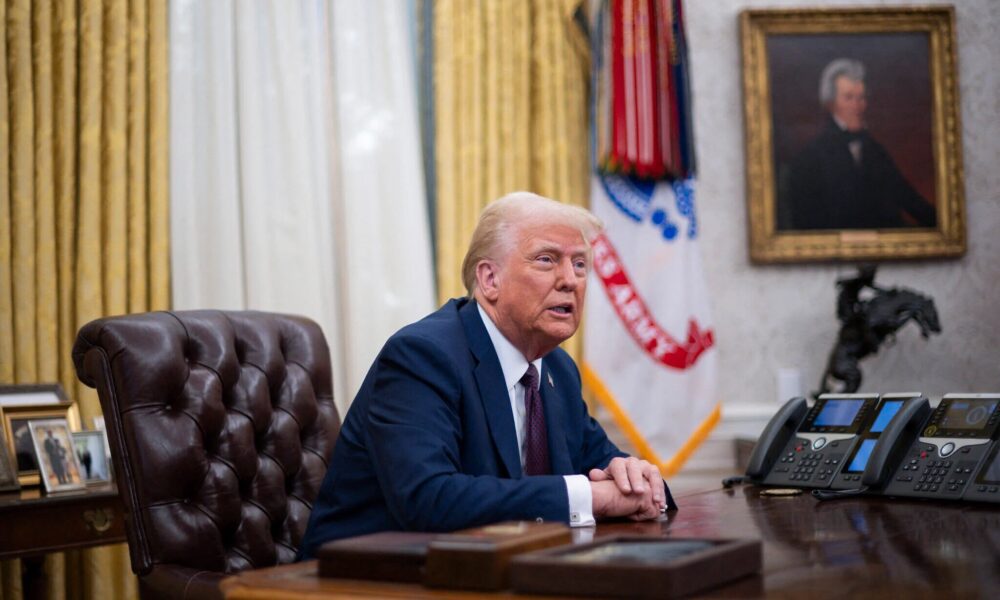
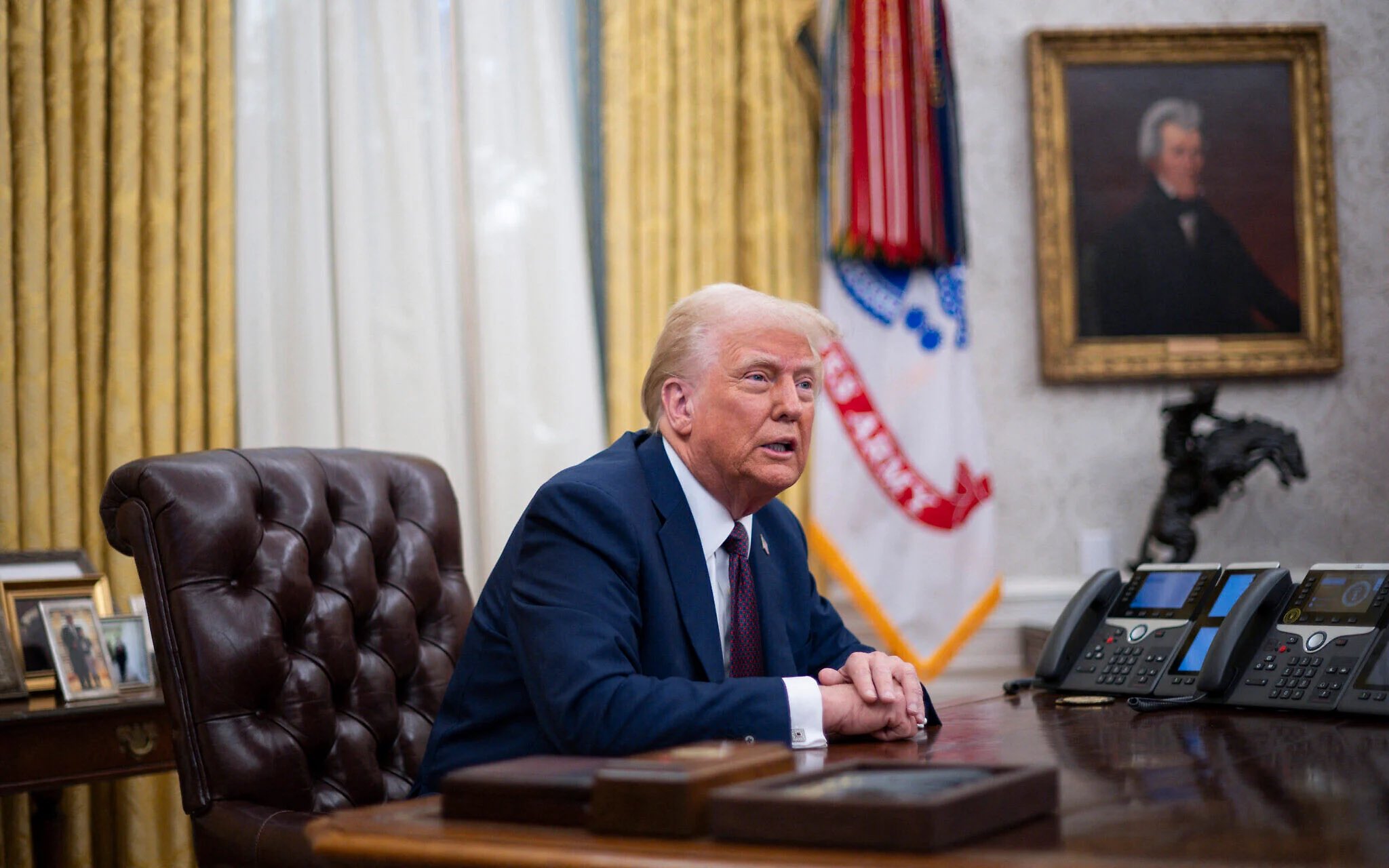
In a bold diplomatic move, President Donald Trump has signed an executive order halting U.S. aid to South Africa, citing human rights violations linked to a controversial land reform law. The directive, issued on February 7, 2025, comes in response to South Africa’s Expropriation Act 13 of 2024, which permits the government to seize farmland from white Afrikaner farmers without compensation.
The executive order also includes provisions to assist Afrikaners seeking refuge in the United States, designating them as victims of racial discrimination. The move is expected to strain U.S.-South Africa relations while escalating debates on property rights and racial justice.
Trump Condemns South Africa’s Land Seizure Law
President Trump’s executive order describes the South African government’s actions as an “egregious violation of human rights,” accusing the administration of systematically discriminating against the Afrikaner minority.
The order claims that the land expropriation law is part of a broader pattern of racial discrimination, restricting opportunities in employment, education, and business. It also criticizes what it calls “hateful rhetoric” and “government actions fueling disproportionate violence against racially disfavored landowners.”
The White House further linked its decision to broader geopolitical concerns, citing South Africa’s growing diplomatic and economic ties with Iran. The executive order alleges that Pretoria is seeking to strengthen military and nuclear arrangements with Tehran, raising national security concerns for the United States and its allies.
US to Block Foreign Aid, Support Afrikaner Refugees
Under the new policy, all U.S. government agencies, including the United States Agency for International Development (USAID), are required to halt financial aid or assistance to South Africa.
Additionally, the Trump administration has directed the Department of Homeland Security to prioritize refugee resettlement programs for Afrikaners seeking to flee South Africa due to alleged racial discrimination. The plan will allow affected individuals to apply for refugee status under the United States Refugee Admissions Program (USRAP).
According to the order:
- The U.S. will not provide aid or assistance to South Africa as long as land confiscation policies remain in effect.
- The State Department and Homeland Security will facilitate the resettlement of displaced Afrikaners in the U.S.
- Exceptions may be granted for certain forms of humanitarian aid at the discretion of U.S. agency heads.
South Africa’s Response and International Backlash
South Africa’s government has strongly rejected the U.S. decision, calling it an act of “neo-colonial interference” in its domestic policies. Officials in Pretoria argue that the land reform law is necessary to address historical injustices rooted in apartheid-era land ownership.
The ruling African National Congress (ANC) has defended the expropriation policy, stating that land redistribution is essential for economic equity. South African officials insist that the government will proceed with the law despite pressure from Washington.
International reactions to the executive order have been mixed. Human rights organizations and advocacy groups have expressed concerns over the racial framing of the issue, with some arguing that the U.S. action could inflame racial tensions. Others have raised questions about Trump’s prioritization of Afrikaner refugees over other displaced communities worldwide.
Impact on US-South Africa Relations
The suspension of U.S. aid is expected to have significant economic and diplomatic consequences for South Africa. The country has been a major recipient of American foreign assistance, particularly in health programs such as PEPFAR (President’s Emergency Plan for AIDS Relief) and other development initiatives.
Political analysts suggest that Trump’s decision may push South Africa to strengthen ties with alternative global partners, such as China and Russia. The move could also have ripple effects across Africa, potentially influencing how other nations engage with land reform and foreign investment policies.
What Happens Next?
While the executive order is now in effect, its long-term impact remains uncertain. Experts predict that South Africa may challenge the decision through diplomatic channels or appeal to international bodies such as the United Nations.
Meanwhile, Afrikaner advocacy groups in South Africa and the U.S. have welcomed Trump’s move, viewing it as a critical step in addressing their concerns. Some organizations have already begun mobilizing legal and logistical support for Afrikaners seeking to apply for refugee status in the U.S.
As the situation unfolds, all eyes will be on both Washington and Pretoria to see how this diplomatic standoff evolves.
Conclusion
Trump’s decision to freeze aid to South Africa marks a turning point in U.S.-Africa relations, highlighting tensions between property rights, racial justice, and international diplomacy. While some see it as a necessary stand against alleged discrimination, others view it as a politically charged maneuver with far-reaching implications.