The Teachers Service Commission (TSC) has reminded teachers across Kenya that professional misconduct can result in severe disciplinary action, including permanent deregistration from the teaching profession.
The warning follows the circulation of an official TSC awareness poster outlining 15 serious offences that may lead to a teacher being removed from the Commission’s register. The regulations are anchored in the TSC Act, 2012, the Code of Regulations for Teachers (CORT), and the Code of Conduct and Ethics, all of which require teachers to uphold the highest standards of professionalism, integrity and ethical conduct.
Deregistration is the most serious disciplinary penalty imposed by the Commission. Once removed from the TSC Register of Teachers, an individual is no longer legally allowed to teach in Kenyan schools unless the decision is overturned through an appeal or the teacher is reinstated following the prescribed procedures.
15 Grounds That Can Lead to Teacher Deregistration
According to the Teachers Service Commission, the following acts of misconduct may result in disciplinary action and eventual deregistration:
- Sexual abuse, sexual harassment or immoral relationships with learners.
- Defilement, rape or other sexual offences.
- Physical assault or cruelty against learners or colleagues.
- Gross insubordination or refusal to obey lawful instructions.
- Professional negligence that results in harm to learners.
- Chronic absenteeism or desertion of duty without lawful cause.
- Examination malpractice, including leaking examination papers or facilitating cheating.
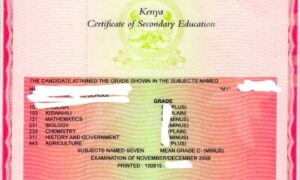
- Forgery or falsification of academic or professional certificates.
- Impersonation or obtaining TSC registration through fraudulent means.
- Theft, fraud, embezzlement or corruption.
- Conviction for a serious criminal offence.
- Reporting to work while under the influence of alcohol or illegal drugs, or drug abuse that affects professional duties.
- Bullying, intimidation or harassment of learners or colleagues.
- Disclosure of confidential information without authorization.
- Any conduct that seriously damages the dignity, integrity or reputation of the teaching profession.
The Commission emphasizes that teachers are role models who must demonstrate honesty, fairness and professionalism both inside and outside the classroom.
TSC Disciplinary Process
Before any disciplinary action is taken, the Commission follows a structured process to ensure fairness and compliance with the law.
The process includes:
- Investigation of the allegations.
- Giving the teacher an opportunity to respond.
- Conducting a disciplinary hearing.
- Making a decision based on the evidence presented.
- Allowing the affected teacher to appeal where applicable.
This procedure is intended to protect the rights of both learners and teachers while ensuring that disciplinary decisions are made objectively.
Serious Consequences of Deregistration
Losing TSC registration has significant implications for a teacher’s career. A deregistered teacher cannot legally teach in institutions that require TSC registration, effectively ending their professional practice unless reinstatement is granted.
The Commission has in recent years intensified disciplinary measures against teachers found guilty of serious misconduct, particularly cases involving sexual offences, examination malpractice, corruption, violence against learners and the use of forged academic documents.
TSC maintains that enforcing professional standards is essential in protecting learners, maintaining public confidence in the education system and preserving the integrity of the teaching profession.
Commitment to Professional Standards
The Commission continues to strengthen accountability within Kenya’s education sector through stricter enforcement of its regulations and ethical guidelines. Teachers are expected to maintain confidentiality, respect learners’ rights, obey lawful instructions, avoid conflicts of interest and perform their duties diligently at all times.
Education stakeholders have welcomed the Commission’s continued efforts to promote professionalism, arguing that teachers occupy positions of trust and must consistently demonstrate exemplary conduct.
Conclusion
The latest reminder from the Teachers Service Commission serves as a clear warning that misconduct can have life-changing consequences. Whether the offence involves abuse of learners, examination fraud, corruption, criminal activity, negligence or any behaviour that undermines the image of the teaching profession, the Commission has the authority to investigate, discipline and deregister offending teachers.
Teachers are therefore encouraged to familiarize themselves with the TSC Code of Conduct and Ethics and consistently uphold the values of professionalism, integrity and accountability to safeguard both their careers and the welfare of learners across Kenya.