The UN Security Council has authorized a new African Union-led stabilisation and support mission in Somalia, known as AUSSOM, set to replace the current anti-terrorism operation starting January 1, 2025. This decision marks a significant shift in international efforts to stabilize Somalia after nearly two decades of foreign-backed military presence.
Transition to AUSSOM: A Strategic Shift
Somalia’s security landscape has been heavily reliant on foreign intervention since Ethiopia’s invasion in 2006, which ousted an Islamist-led administration but sparked a prolonged insurgency responsible for tens of thousands of deaths. The new UN Security Council vote today aims to streamline international efforts while addressing long-term financial sustainability.
Funding Concerns and US Abstention
The United States abstained from the UN Security Council vote, citing concerns about the financial burden of the new mission. Meanwhile, the remaining 14 council members voted in favor of the resolution, reflecting global consensus on the necessity of continued stabilization efforts in Somalia.
Financial Realities and Negotiations
The European Union and the United States, the primary funders of AU peacekeeping forces in Somalia, have been vocal about the need to reduce troop numbers amid ongoing financial constraints. Complex negotiations leading up to the UN Security Council vote highlighted the challenges of balancing security needs with financial realities.
What’s Next for Somalia?
As AUSSOM prepares to take over, questions remain about its operational strategy and funding. The transition comes at a critical time as Somalia continues to face security threats from insurgent groups.
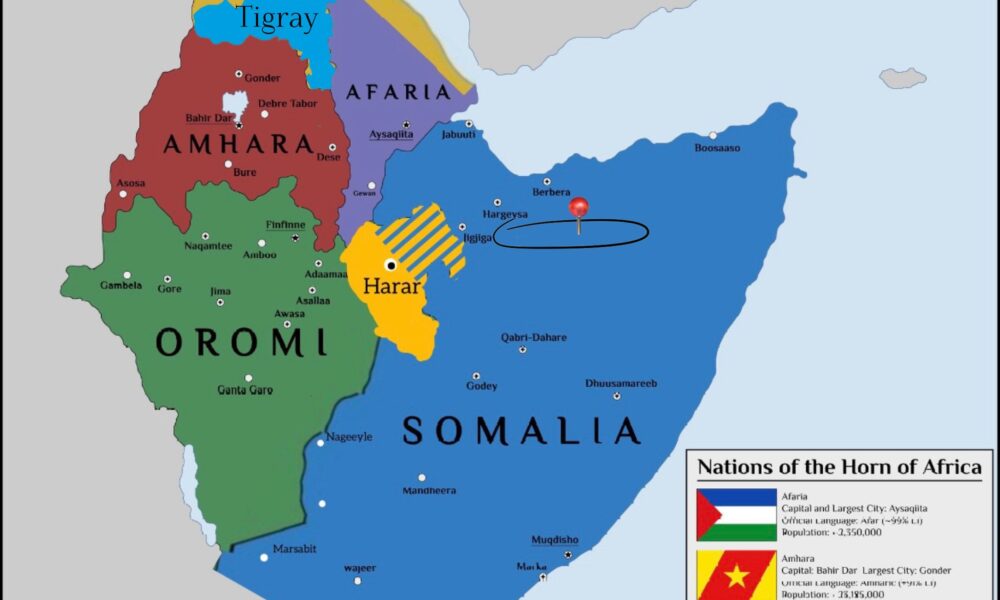
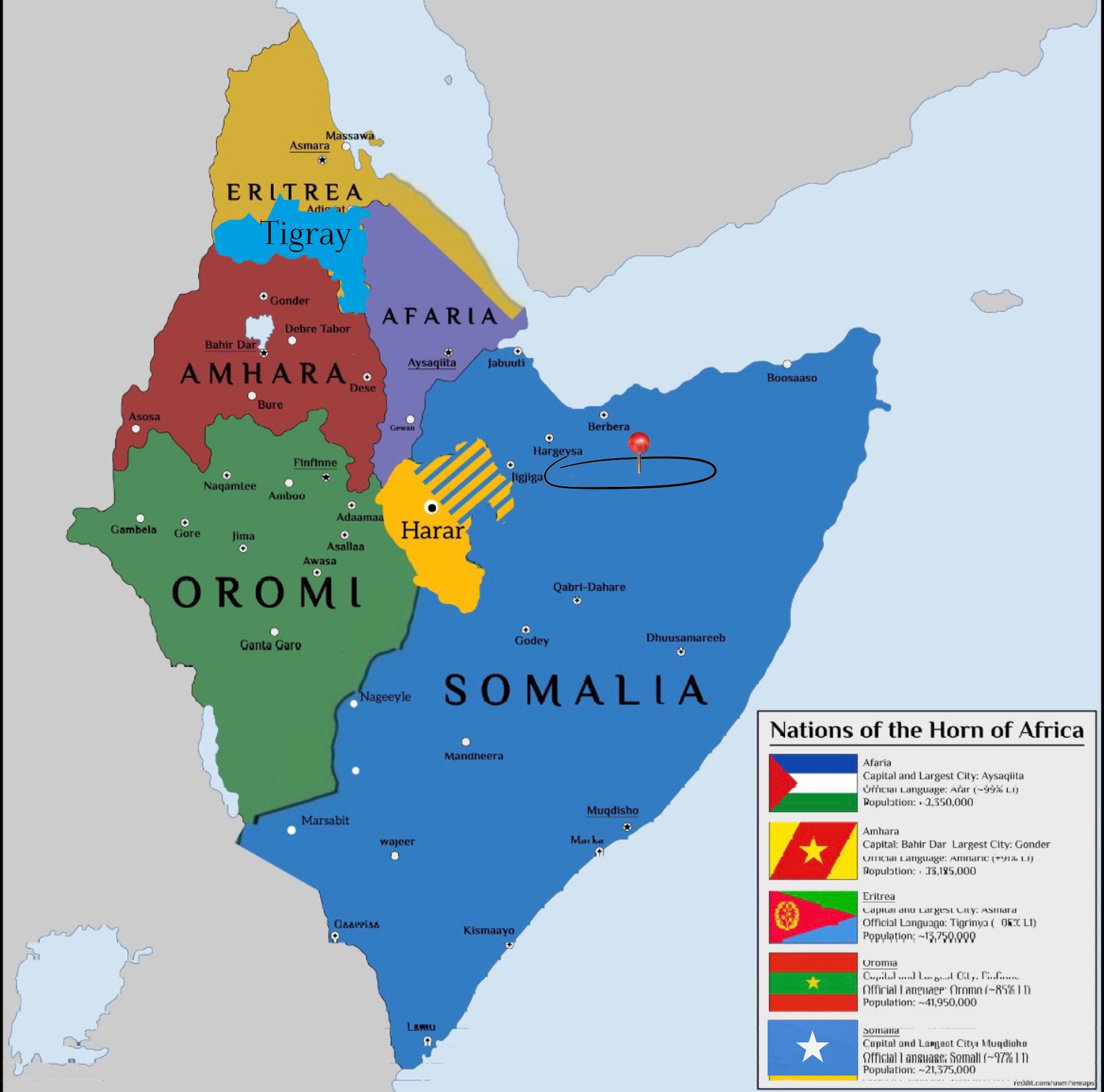
For those following the situation, a Somalia map will be essential for understanding troop deployments and areas of strategic focus under the new mission.
This resolution underscores the evolving priorities of the UN Security Council members in addressing global peace and security challenges.