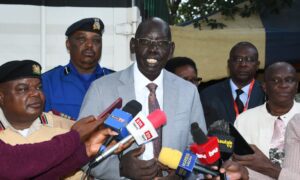
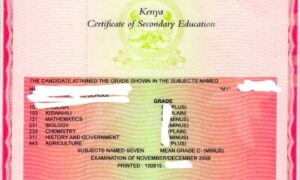
Homabay Township MP, Hon. Peter Kaluma, has accused President William Ruto’s administration of perpetuating tribal bias in its latest government appointments. Kaluma, a vocal member of the Orange Democratic Movement (ODM), took to social media on December 19, 2024, to express his concerns about the dominance of individuals from the Mt. Kenya region in the newly announced appointments.
Kaluma’s Statement on X
Kaluma shared his frustrations on X (formerly Twitter), alleging an unfair allocation of government positions to Mt. Kenya representatives:
“Ruto gave Gachagua 6 Cabinet Secretary slots, he appointed all from Mt. Kenya. Ruto gives Uhuru slots in government, he appoints all from Mt. Kenya. Whatever @TheODMparty gets, it shares across the Nation. I hope a time will come in my lifetime when all of us will live under Article 10 of the Constitution and see Kenya beyond their home regions, like Baba. GOD BLESS KENYA.”
Kaluma’s remarks highlight Article 10 of the Constitution, which calls for inclusivity, fairness, and national unity in governance.
New Cabinet Nominees
The controversy emerged after President Ruto announced a series of nominations and reassignments in Cabinet positions, high commissions, and state corporations. Key appointments include:
- Mutahi Kagwe – Cabinet Secretary, Ministry of Agriculture & Livestock Development
- Lee Kinyanjui – Cabinet Secretary, Ministry of Investments, Trade & Industry
- William Kabogo – Cabinet Secretary, Ministry of Information, Communications & the Digital Economy
Additionally, the President re-assigned Hon. Ndiritu Muriithi to the Ministry of Youth Affairs, Creative Economy & Sports and appointed Anthony Mwaura as Chairperson of the Kenya Revenue Authority.
Public Reaction
Kaluma’s claims ignited widespread debate on social media. While some defended the appointments as merit-based, others criticized the perceived tribal favoritism.
A user named Muhammadnur countered the allegations:
“Ruto gave Raila 5 positions. He gave Luhya, Coast, and Turkana 3 of his positions.”
However, critics pointed out a pattern of appointees from Mt. Kenya, such as Mutahi Kagwe (Nyeri), Lee Kinyanjui (Nakuru), and William Kabogo (Kiambu).
One commenter summarized the issue:
“It’s a Murima [Mt. Kenya] gift from Alibaba and Uhuru. Their families will be happy. Will that change anything in my life?”
Political Implications
Kaluma’s concerns spotlight a broader issue of equitable representation in Kenyan politics. As the nation strives for inclusivity, critics argue that tribalism undermines national cohesion.
Observers note that these appointments could strain relationships between regions and weaken the perception of fairness in governance.
What’s Next?
The Cabinet nominees will undergo parliamentary vetting before taking office. Whether these appointments reflect national inclusivity or deepen regional disparities remains to be seen.
Meanwhile, political analysts emphasize the importance of aligning government actions with the constitutional mandate of equitable representation to foster unity and trust among Kenyans.