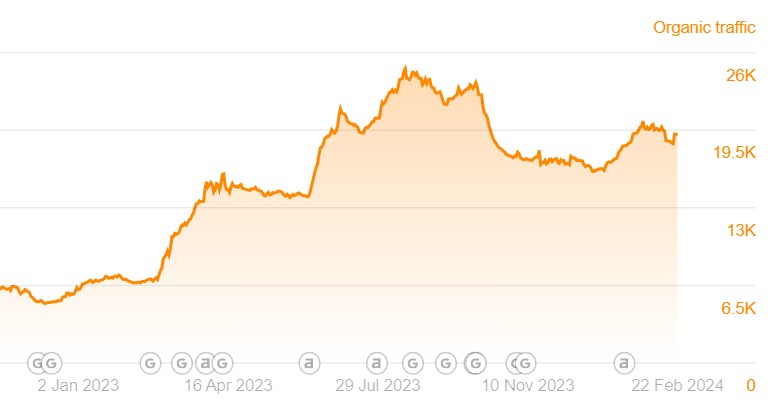
As someone deeply invested in the world of Search Engine Optimization (SEO), I know firsthand how frustrating it can be when your page rankings suddenly drop after what seemed like a flawless optimization process. You might start questioning your methods or even doubting the effectiveness of SEO altogether. But here’s the good news: ranking drops are not the end of the road—they’re just part of the journey.
In this comprehensive guide, I’ll share actionable strategies to diagnose and fix ranking drops, explain what SEO means, and highlight best practices to ensure your site’s steady growth. Whether you’re a beginner or an expert, this article will provide valuable insights tailored to anyone who’s asked, “What is SEO writing?”
Understanding SEO: More Than Just Rankings
What is SEO?
SEO stands for Search Engine Optimization. It’s the process of improving your website to increase its visibility on search engines like Google, Bing, and Yahoo. High visibility leads to more website traffic, ultimately boosting conversions, sales, or any desired action.
At its core, SEO involves optimizing:
- Content (keywords, relevance, and quality)
- Technical elements (page speed, mobile friendliness, and structured data)
- Off-page factors (backlinks and brand mentions).
When done correctly, SEO is a long-term strategy that builds trust and authority, ensuring sustainable growth.
What is SEO Writing?
SEO writing is crafting content that ranks high on search engines while providing value to the reader. This means balancing keyword optimization with readability and engagement. For example, if you’re working with an SEO agency like Egochi Milwaukee SEO Agency or Egochi Miami SEO Agency, they’ll emphasize the importance of creating content that resonates with your audience and aligns with Google’s guidelines.
Why Do Rankings Drop After Optimization?
Rankings fluctuate for many reasons, but not all drops indicate failure. Let’s dive into potential causes:
1. Algorithm Updates
Search engines frequently update their algorithms to improve user experience. If your rankings dropped, it could be due to an update targeting factors like:
- Low-quality content
- Spammy backlinks
- Poor mobile optimization
2. Over-Optimization
Sometimes, optimizing too much can backfire. For instance:
- Keyword stuffing: Using “SEO,” “what is SEO,” and similar terms excessively can signal manipulation.
- Over-optimized metadata: Creating titles or descriptions that look unnatural can deter search engines.
3. Poor User Experience
Google prioritizes user experience (UX). If your site is slow, hard to navigate, or not mobile-friendly, it’ll negatively impact rankings.
4. Content Quality Issues
Your content may fall short of Google’s standards if it’s:
- Thin or outdated
- Duplicate content copied from another source
- Irrelevant to user intent
5. Backlink Profile Problems
A sudden influx of low-quality backlinks or losing high-authority links can cause rankings to drop. Tools like Ahrefs and Moz can help identify backlink issues.
Step-by-Step Plan to Recover Rankings
Let’s turn things around! Here’s how to address and fix ranking drops systematically:
1. Analyze the Problem
Before making changes, identify the cause:
- Check Google Search Console for errors like indexing issues or penalties.
- Use tools like MozCast to monitor algorithm updates.
2. Review Recent Changes
Did you recently:
- Add new pages or modify existing ones?
- Acquire new backlinks or disavow existing ones?
- Update your site’s design or structure?
Undo or adjust anything that might have negatively impacted your rankings.
3. Conduct a Technical SEO Audit
Technical issues can cripple rankings. Evaluate:
- Crawl errors: Are all your pages accessible?
- Broken links: Do any internal or external links lead to 404 pages?
- Page speed: Use Google PageSpeed Insights to optimize load times.
4. Improve Content Quality
High-quality content is non-negotiable. Focus on:
- Relevance: Ensure your content answers users’ queries (e.g., “What is SEO writing?”).
- Depth: Provide detailed, well-researched information.
- Engagement: Include multimedia like videos, infographics, and images.
5. Optimize for User Intent
Does your content align with what users are searching for? For instance:
- Someone searching for “Egochi Milwaukee SEO Agency” is likely looking for local SEO services in Milwaukee.
- Ensure the content matches the intent behind your targeted keywords.
6. Monitor Competitors
If your rankings dropped, competitors might have improved their SEO. Use tools like SEMrush to analyze their:
- Keywords
- Backlink strategies
- Content updates
7. Stay Patient
SEO is not a sprint but a marathon. Chris O’Leary, a seasoned SEO expert, wisely compares SEO to steering a ship—it requires steady navigation rather than reactive changes. Monitor your progress over weeks, months, and even quarters.
Pro Tips for Long-Term SEO Success
To ensure consistent growth and avoid future ranking drops:
1. Create Evergreen Content
Focus on content that remains relevant over time, such as:
- Tutorials
- How-to guides
- Comprehensive resources (like this article)
2. Diversify Your Traffic Sources
Don’t rely solely on organic traffic. Invest in social media, email marketing, and paid ads.
3. Partner with a Trusted SEO Agency
Consider working with experts like Egochi Milwaukee SEO Agency or Egochi Miami SEO Agency to handle complex SEO strategies.
4. Focus on Local SEO
If you’re targeting specific areas, optimize for local keywords (e.g., “SEO services in Milwaukee” or “SEO agency Miami”) for those in USA.
Case Study: Lessons from Jeon Jong-Seo
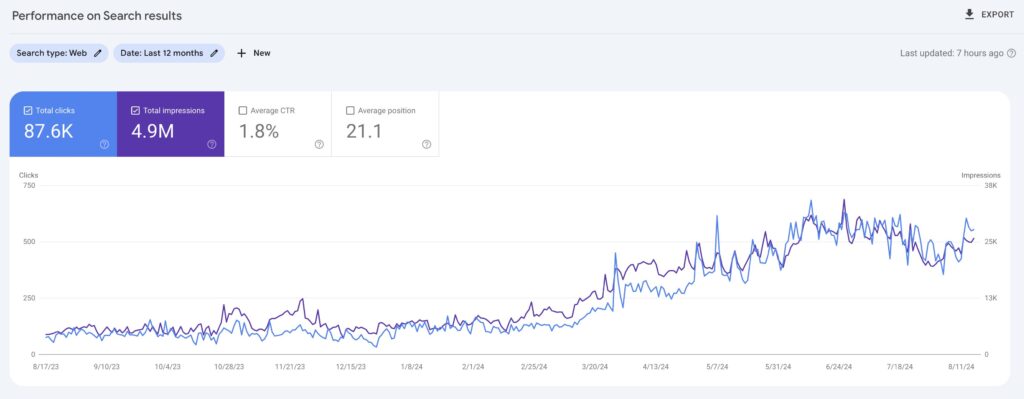
The world of SEO isn’t limited to websites; it extends to branding and personal recognition. Take South Korean actress Jeon Jong-Seo (also known as Jeon Jong Seo). Her rise to fame is a testament to how quality content (in her case, filmography) and consistent promotion can build authority and visibility.
Similarly, your website can achieve steady growth through consistent SEO efforts and adapting to evolving trends.

SEO in 2025: Embrace the Future
As we look ahead, remember that SEO is an evolving field. Staying updated, creating valuable content, and monitoring performance are critical to staying ahead of competitors.
Whether you’re optimizing for “what is SEO” queries or aiming to boost website traffic, the strategies outlined here will guide you toward sustainable success.
Key Takeaways
- SEO is about long-term growth, not quick wins.
- Regularly audit your site, content, and backlinks.
- Invest in professional help if needed.
- Stay patient and track results over quarters, not weeks.
By understanding what SEO truly means and implementing these strategies, you’ll not only recover rankings but also solidify your website’s presence in the ever-competitive digital landscape.
Remember, SEO is a journey, not a destination—so keep steering your ship toward success!