Former President Uhuru Kenyatta’s retirement benefits are set to be slashed by Ksh 94.6 million in the upcoming national budget, marking a significant reduction from the previous allocation of Ksh 371.46 million to Ksh 276.85 million. The drastic funding cut comes amid increased scrutiny and criticism of Kenyatta’s continued involvement in local politics.
The most notable reductions in Uhuru’s retirement package are centered on foreign travel (down by Ksh 46.5 million), insurance (cut by Ksh 23 million), and domestic travel (reduced by Ksh 11 million). These cuts are part of what government insiders describe as broader austerity measures targeting high-ranking retirees receiving state support.
This development follows a warning issued just a day earlier by President William Ruto’s close aide, Farouk Kibet, who accused the former head of state of violating the Retirement Benefits Act by engaging in active political activities. Speaking at a public event, Kibet suggested that Uhuru’s benefits should be halted altogether if he continues to meddle in the country’s political affairs.
Uhuru Kenyatta recently stirred political waters after urging Kenyan youth to “stand up and fight for their rights” during a public rally—remarks that were perceived by many in the Kenya Kwanza administration as politically charged and destabilizing.
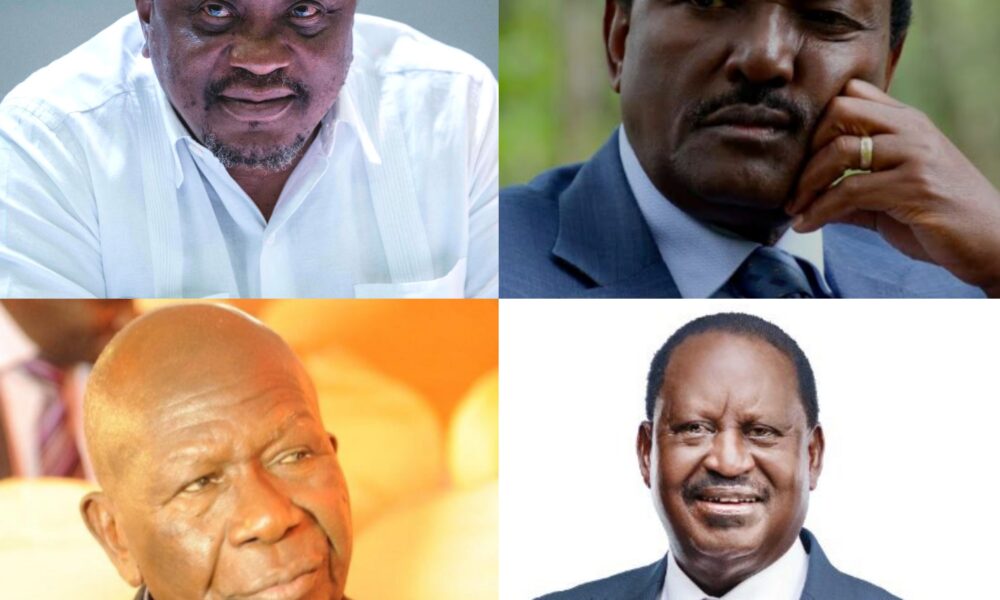
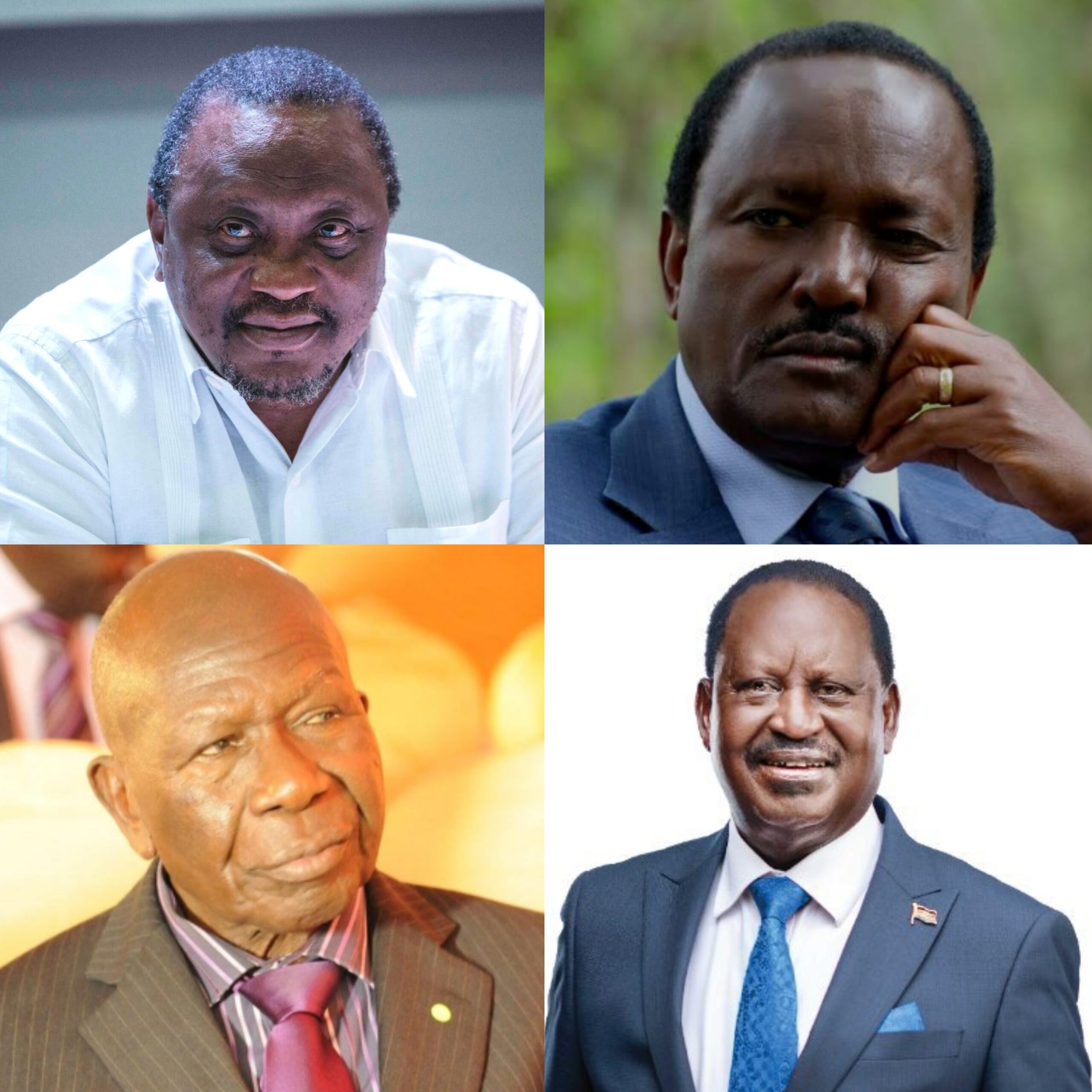
The budget cuts are not limited to Kenyatta. Former Prime Minister Raila Odinga will also see a reduction of Ksh 23.9 million in his retirement budget, bringing his total allocation to Ksh 63.27 million. Former Vice Presidents Kalonzo Musyoka and Moody Awori will each receive Ksh 52.9 million and Ksh 53.9 million, respectively.
While government sources maintain the cuts are purely fiscal and not politically motivated, critics argue the timing of the move—coinciding with rising tensions between President Ruto and his predecessor—suggests otherwise.
With the national budget currently under review, the debate over retirement benefits for former leaders is expected to intensify, particularly as questions of accountability, political neutrality, and national austerity continue to dominate the public discourse.