The persistent issue of teacher shortages in Kenya’s public schools is set to ease with a major government intervention. President William Ruto has announced the recruitment of 20,000 intern teachers starting January 2026—a move aimed at addressing the country’s long-standing teacher deficit.
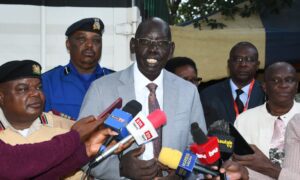
Speaking during the Labour Day celebrations held at Uhuru Gardens in Nairobi, President Ruto confirmed that the government has already allocated Sh2.4 billion towards the recruitment exercise. This latest development is part of broader plans by the government to fill the gap in teacher numbers, which was last estimated to be at a staggering 116,000 in 2022.
“We are committed to ensuring that our children receive quality education. That’s why we are investing in more teachers and ensuring their professional growth is supported,” said President Ruto during his address.
Major Investments in Education
Since coming into office, the Ruto administration has shown increased commitment to staffing schools adequately. The President highlighted that within just two years, the government had already employed over 76,000 teachers. This effort, he noted, is gradually closing the gap between available teachers and the rising number of students across the country.
In addition to the upcoming internship recruitments, the government is also pouring resources into teacher capacity-building and promotions. According to Ruto, Sh1.6 billion has been earmarked specifically for training and enhancing the professional skills of educators. An additional Sh1 billion will be used to facilitate the promotion of deserving teachers who have remained in the same job group for years.
“This investment is helping improve student-teacher ratios, strengthen literacy and numeracy outcomes, and create stable jobs in communities across the country,” Ruto added.
Promotion Delays Still a Concern
Despite these commendable steps, concerns remain regarding the slow pace of teacher promotions. The Teachers Service Commission (TSC) has raised alarms over insufficient funding, which continues to stall the promotion of over 178,000 teachers.
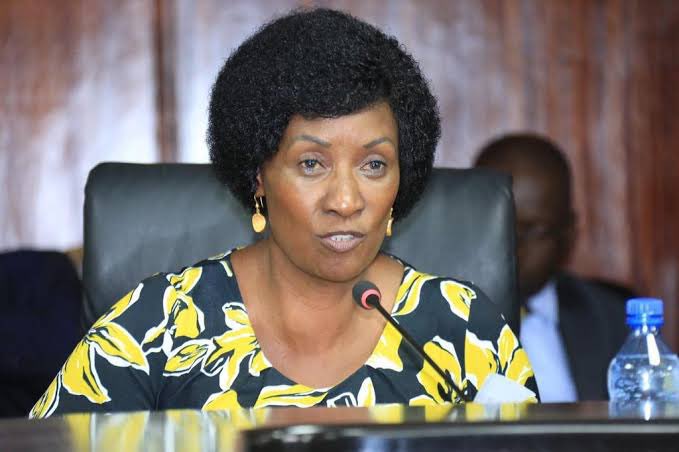
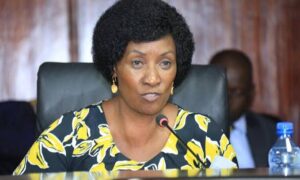
TSC Chief Executive Officer Nancy Macharia attributed the backlog to chronic underfunding. She emphasized that the commission needs at least Sh3 billion to promote the affected educators, many of whom have been stuck in the same job group for several years, despite having the necessary qualifications and experience.
“The implementation of career progression guidelines has been hindered by budgetary limitations. This has caused stagnation and frustration among thousands of dedicated teachers,” Macharia explained.
Plans for 2023 and 2024
Looking back at the years 2023 and 2024, the TSC had announced plans to promote at least 41,000 teachers and employ 13,000 more on permanent and pensionable terms. These efforts are seen as part of a wider government strategy to not only improve the quality of education but also enhance teacher morale and retention.
Furthermore, the budget has made provisions for training an additional 10,000 teachers through internship programs and other innovative teaching approaches. This is expected to build a robust pipeline of skilled educators ready to enter the system, especially in underserved areas.
A Multi-Pronged Approach
The government’s approach to resolving the teacher shortage combines recruitment, training, and promotion. It also emphasizes the need to create long-term, sustainable employment in education. By investing in the professional development of teachers, the government hopes to improve learning outcomes and make the teaching profession more attractive to young graduates.
The introduction of 20,000 teaching internships is a critical step in this direction. Not only does it offer fresh graduates a foot in the door of the education sector, but it also helps bridge the existing staffing gaps in both primary and secondary schools.
Conclusion
While the announcement of 20,000 teaching internships marks a significant milestone, stakeholders agree that more needs to be done. The teacher shortage crisis has deep roots, and it will take consistent funding, planning, and political will to fully resolve it.
Nevertheless, with the latest funding commitments and policy direction, there is renewed hope that Kenya’s public education system is finally on a path toward recovery and growth—ensuring that every child gets the education they deserve.