Nairobi, Kenya – May 24, 2025
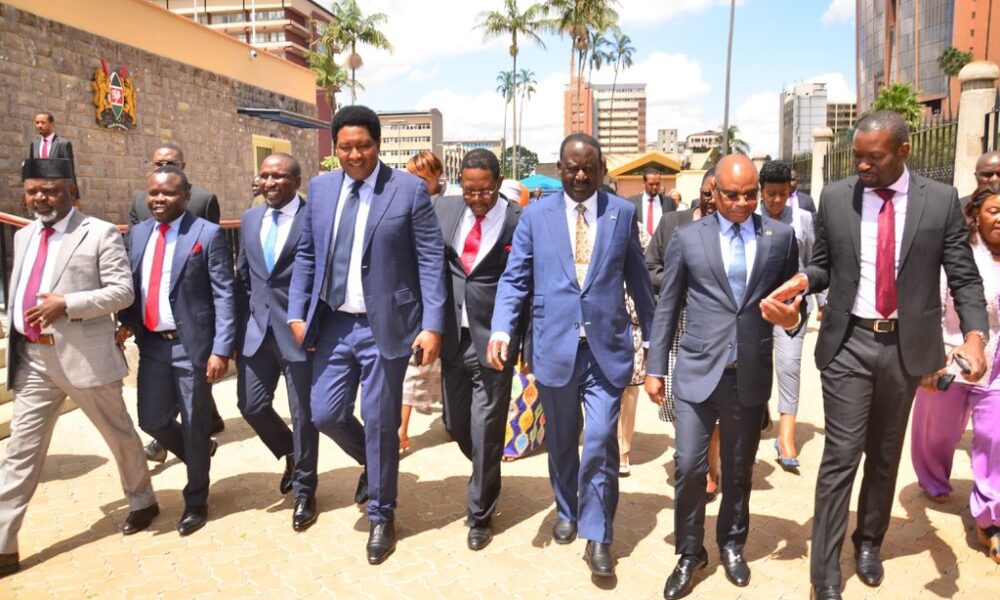
Orange Democratic Movement (ODM) Secretary-General Edwin Sifuna has sparked a political firestorm after accusing President William Ruto’s administration of deploying artificial intelligence (AI) to monitor his online activity and harass him with bots. The claims have exposed deepening divisions within ODM, with Homabay Township MP Peter Kaluma publicly dismissing Sifuna’s remarks as self-aggrandizing.
Sifuna’s Explosive Allegations
In a viral tweet on Thursday, Sifuna claimed that instead of addressing pressing national issues, President Ruto’s government is using AI-driven surveillance to track opposition leaders and manipulate public opinion.
“Instead of fixing the people’s problems, Ruto thinks AI will help him win back popular support by tracking my online activity and sending me bots to harass me,” Sifuna tweeted. “It isn’t me who gave the KK Government a bad name. They did it themselves.”
The tweet, which has garnered over 114,000 views, referenced a media report alleging that state-linked software monitors key opposition figures, including Gabriel Oguda, Azimio TV, and blogger Pauline Njoroge. According to the report, Njoroge’s post on Central Bank borrowing had the highest reach in Central Kenya (40%), followed by Rift Valley (25%), Nairobi (20%), and Coast (15%), with 52% male engagement.
The developers reportedly found that opposition-led discussions on taxes, fuel prices, and the economy generated one million posts, reached 23 million people, and caused “significant reputational damage” to the government.
Kaluma Fires Back: “You’re Too Small to Be Tracked!”
Sifuna’s claims were met with sharp criticism from his own party, with Homabay MP Peter Kaluma dismissing them as exaggerated.
“You are too small to be tracked by President @WilliamsRuto; don’t overrate yourself, my friend!” Kaluma fired back on X (formerly Twitter). “Why would the President track someone who is nothing without @TheODMparty?”
Kaluma’s remarks highlight growing tensions within ODM, with some members questioning Sifuna’s influence and leadership style. Political analysts suggest the public spat could signal deeper factional rifts ahead of the 2027 elections.
AI and Political Warfare in Kenya
Sifuna’s allegations tap into broader concerns about digital surveillance and misinformation in Kenyan politics. In recent years, AI-powered bots and fake accounts have been linked to political smear campaigns, trending hashtags, and targeted harassment of critics.
A 2024 report by the Kenya ICT Action Network (KICTANet) warned that AI-driven disinformation could undermine democracy by distorting public discourse. “When governments or political actors weaponize AI to silence dissent, it erodes trust in institutions,” said Mercy Mutemi, a digital rights activist.
However, government spokesperson Isaac Mwaura dismissed Sifuna’s claims as baseless. “This is another desperate attempt by the opposition to divert attention from their dwindling relevance,” Mwaura said. “The government is focused on development, not petty online squabbles.”
Public Reaction: Mixed Responses
Kenyans on social media are divided over the controversy. Some support Sifuna’s claims, citing past incidents of online harassment against government critics.
“It’s no secret that bots swarm opposition posts with insults and threats,” tweeted activist Boniface Mwangi. “If Ruto isn’t behind it, who is?”
Others, however, side with Kaluma, arguing that Sifuna is inflating his importance. “Sifuna thinks he’s Kenya’s main opposition leader? Even Raila doesn’t get this paranoid,” quipped one X user.
What’s Next for ODM?
The public feud raises questions about ODM’s cohesion as the 2027 elections approach. With Deputy Party Leader Wycliffe Oparanya and other senior figures yet to weigh in, observers warn that unchecked infighting could weaken the party’s influence.
“ODM must address these internal conflicts swiftly, or risk becoming irrelevant in the next election cycle,” said political analyst Herman Manyora.
As the debate rages on, one thing is clear: Kenya’s political landscape is increasingly being shaped by digital warfare—and the battle lines are drawn not just in rallies and Parliament, but in the algorithms of social media.