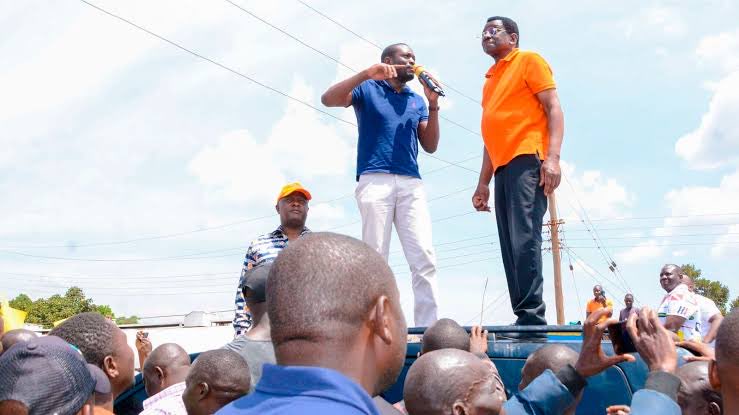
A fresh political storm is brewing within the (ODM) following explosive remarks by , who has publicly called for the removal of as the party’s Secretary General.
In a strongly worded statement shared on X (formerly Twitter), Alai accused the party’s leadership of internal disarray and warned that ongoing divisions could ultimately weaken ODM’s political standing and inadvertently benefit President .
Alai argued that the recently anticipated ODM Special National Delegates Conference (NDC) should have focused solely on one critical agenda — the removal of Sifuna from his influential position within the party. According to him, the failure to address this issue decisively reflects deeper cracks within the party’s leadership structure.
“The leadership of ODM will destroy President Ruto’s campaign,” Alai stated, in a remark that appeared both critical and cautionary. He suggested that unresolved internal conflicts could derail ODM’s broader political strategy and messaging.
In his statement, Alai also took aim at Sifuna’s conduct, alleging that the Secretary General has been openly defiant toward senior party figures. He claimed that Sifuna continues to use official party resources, including a vehicle assigned to his office, to publicly criticize key ODM leaders such as , , and .
Alai painted a picture of a leadership seemingly unable or unwilling to rein in Sifuna, describing a scenario where senior figures are left “watching from the sidelines scared of him.” These allegations, though unverified, have added fuel to ongoing speculation about power struggles within ODM.
The outspoken MCA further warned that the party is “destroying itself” by failing to enforce discipline and accountability among its top ranks. He invoked party leader , popularly known as Baba, stating that Odinga had previously emphasized the need for swift and decisive punishment for misconduct within the party.
“Raila Odinga told us that punishment must be instant and decisive,” Alai noted, suggesting that current leadership actions fall short of that standard.
The remarks have sparked debate among ODM supporters and political observers, with some backing Alai’s call for firm leadership, while others view his comments as further evidence of widening divisions within the party.
As ODM remains one of Kenya’s most influential opposition parties, internal cohesion is seen as critical ahead of future political contests. Analysts warn that prolonged infighting could weaken the party’s negotiating power and public image, particularly at a time when national political alignments continue to shift.
Neither Sifuna nor the ODM leadership had issued an official response at the time of publication, leaving many questions unanswered about the party’s next steps.
For now, Alai’s remarks have thrust ODM’s internal politics into the spotlight, raising concerns about whether the party can maintain unity — or whether internal dissent will continue to escalate in the coming weeks.