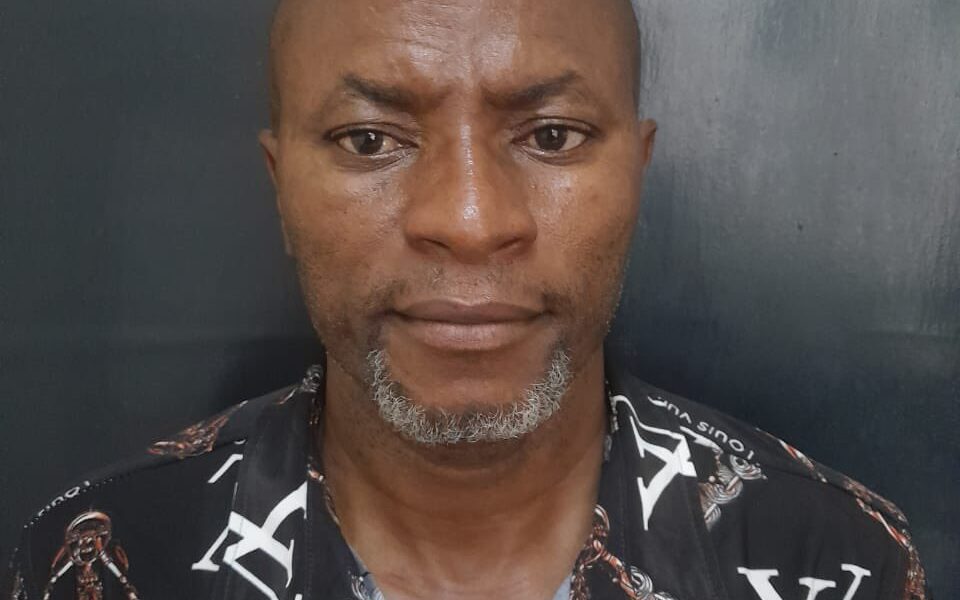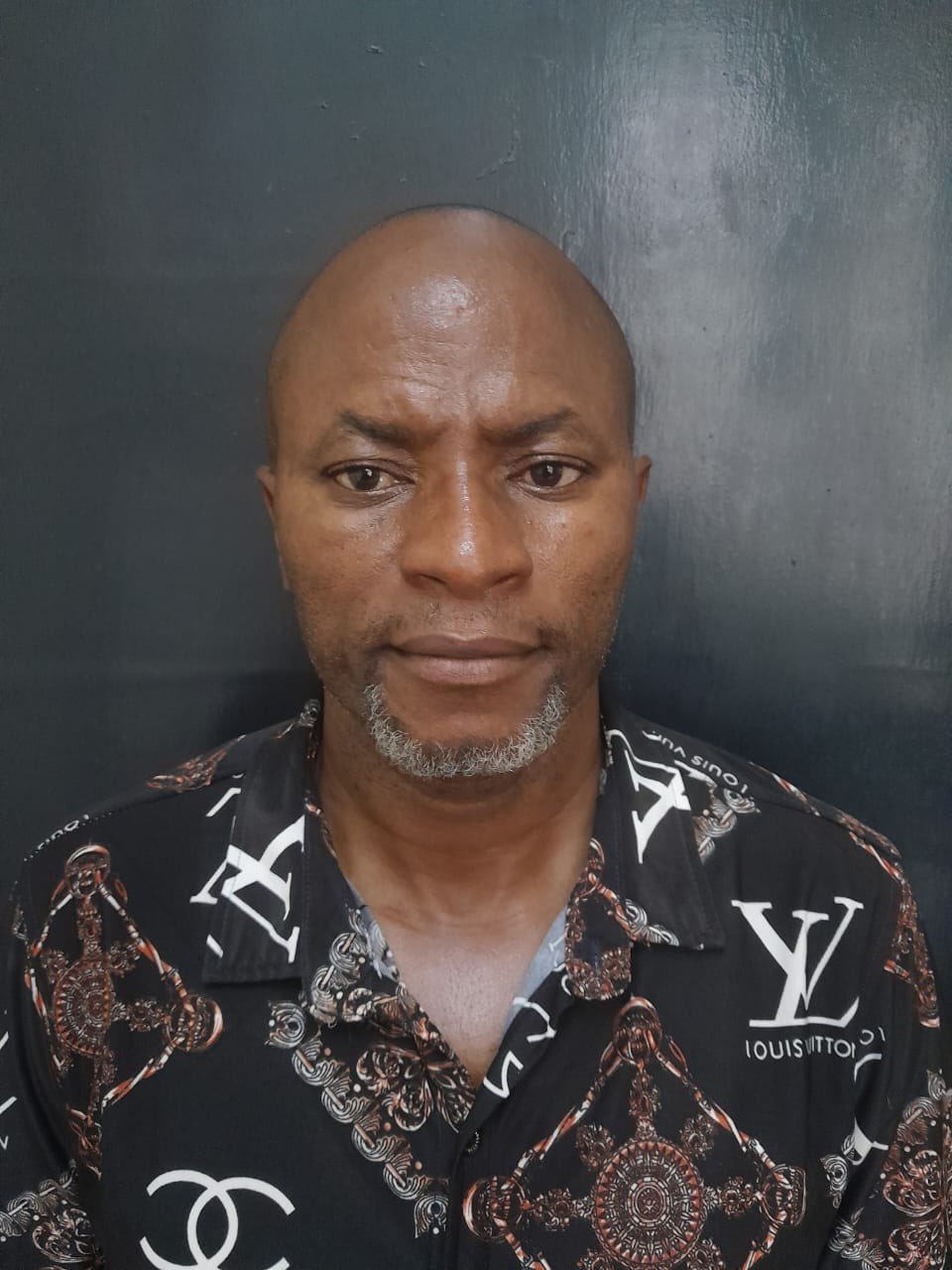
A Kilifi-based pastor was arraigned in court today following allegations of radicalizing his followers through controversial religious practices. The pastor, affiliated with the New Foundation Church located in Chakama, is facing a miscellaneous application for the offence of radicalization, in violation of Section 12(d) of the Prevention of Terrorism Act, 2012.
His arrest was the result of a joint operation conducted by a multi-agency security team. Authorities claim he had been indoctrinating his followers with teachings that posed a danger to their health and lives. Among the most bizarre of his directives was instructing sick congregants not to seek medical treatment in hospitals, but instead to climb a specific tree within the church compound, believed by his followers to possess sacred healing powers.
In addition to this practice, the pastor is said to have administered special water, referred to as “maji ya uzima” (translated as “water of life”), which he claimed had healing properties. This water was drawn from a well within the church compound and sold to his followers at a steep price of Ksh 200 per liter.
Disturbingly, preliminary investigations suggest that two followers may have died as a result of foregoing medical treatment. It is feared that as many as 200 other congregants could be at risk if the church’s operations had been allowed to continue unchecked.
Security agencies, while affirming the constitutional right to freedom of worship, cautioned members of the public against associating with religious groups that deviate from established doctrine and promote life-threatening ideologies. They stressed the importance of public vigilance and reporting suspicious activities that could put lives in danger under the guise of religious belief.
The pastor was brought before court on a miscellaneous application as investigations continue. The prosecution requested and was granted a ten-day period to finalize their case, with the next court mention scheduled for May 5, 2025.
The Chakama incident mirrors a growing trend of rogue religious figures in Kenya who have taken advantage of legal protections around religious freedom to propagate dangerous doctrines. The country has seen a surge in unregulated religious outfits, with some leaders linked to cult-like activities and mass indoctrination of followers.
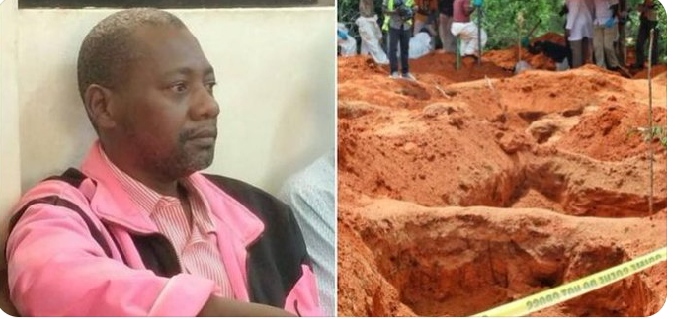
One of the most notorious cases in recent memory involved a separate Kilifi-based preacher who was arrested for allegedly convincing his followers to fast to death, leading to widespread deaths in the region. That incident shocked the nation and led to increased scrutiny of religious institutions.
In response to such events, the government has been ramping up efforts to regulate religious groups and prevent further tragedies. The Ministry of Interior has hinted at the introduction of tighter laws and oversight mechanisms to ensure religious freedom is not exploited by unscrupulous individuals to carry out criminal activities.
Authorities have also announced the formation of a task force and a commission of inquiry to investigate how such groups operate and to recommend stronger safeguards to protect citizens from exploitation and abuse under religious pretenses.
Top government officials have publicly condemned these forms of radicalization, labeling them as a serious threat to national security. There is growing consensus among lawmakers and civil society that the legal framework surrounding religious operations in Kenya needs urgent reform.
Security agencies have reaffirmed their commitment to protecting Kenyans while respecting the constitutional guarantees of freedom of worship. However, they have also warned that any attempt to undermine public safety under the cover of religion will be met with firm legal action.
As the investigation into the New Foundation Church continues, residents of Chakama and surrounding areas have been urged to remain cautious and avoid falling prey to misleading religious narratives that endanger both their health and their lives.
With more than 200 lives potentially at risk, the spotlight is now on the justice system to ensure accountability. The upcoming court proceedings on May 5, 2025, will be closely watched as a test case for how the country addresses radicalization within its borders, especially when disguised as spiritual guidance.