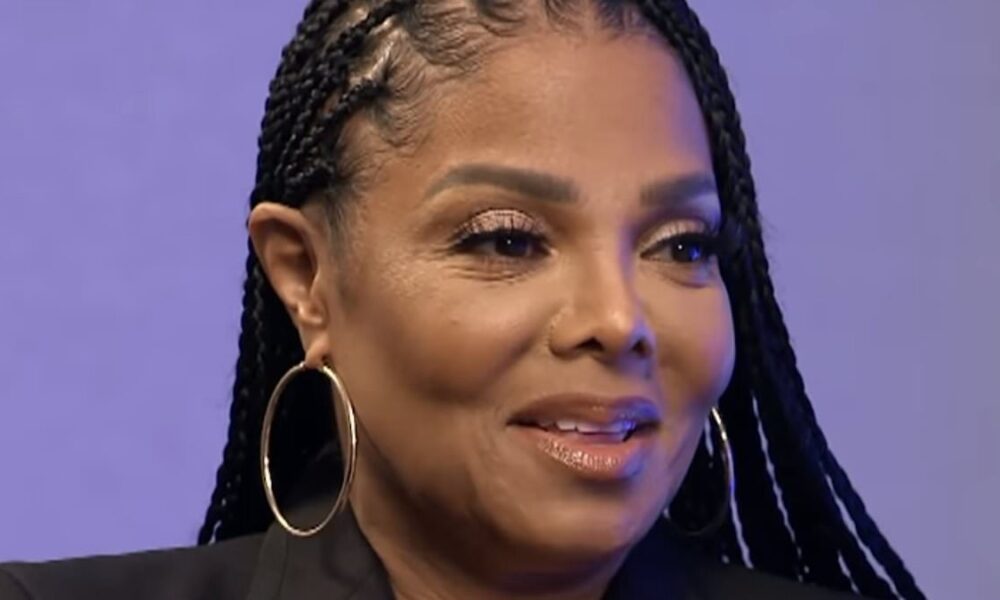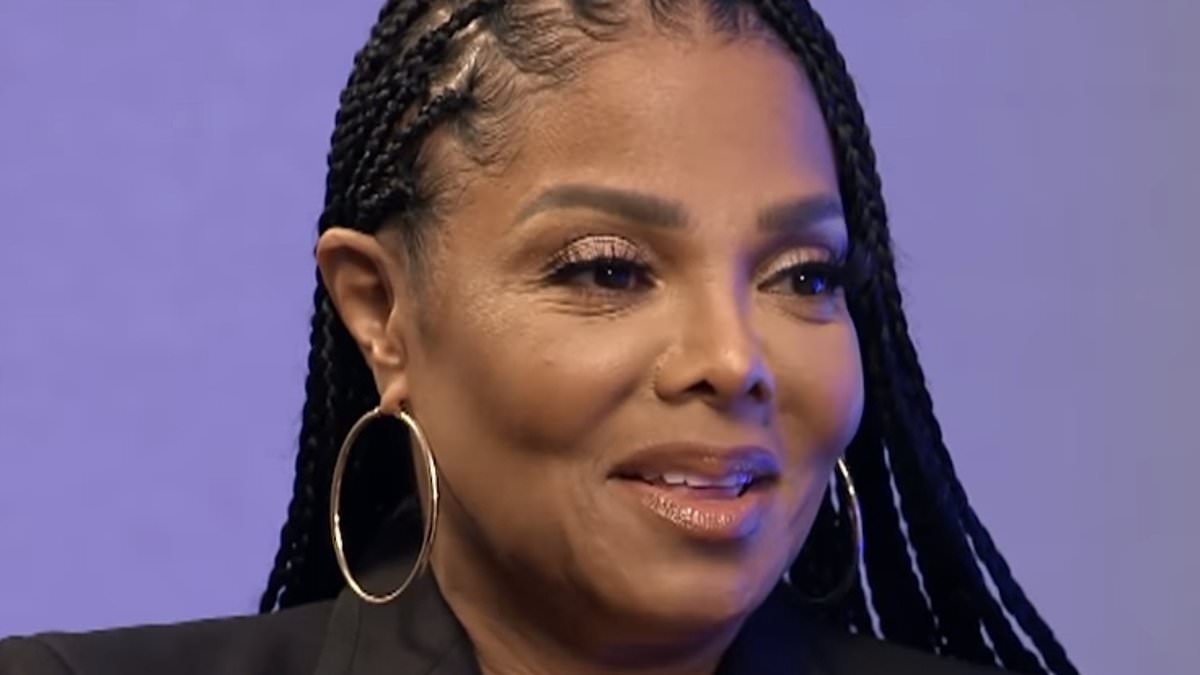
In a stunning turn of events, pop icon Janet Jackson has entered the political arena, igniting a firestorm of controversy with her remarks about Vice President Kamala Harris’ racial identity. In what some have described as an unexpected jab, Jackson declared that Harris is “not black” and that her heritage is primarily Indian, sparking outrage and heated debates across media platforms.
The Shocking Comment That Sparked the Debate
During a recent interview, Jackson addressed Harris’ racial identity, reportedly saying, “She’s not black. That’s what I heard. That she’s Indian.” The comment quickly made headlines, drawing sharp reactions from various corners of the political spectrum, as well as from fans of both Harris and Jackson.
Harris, who is the daughter of an Indian mother and a Jamaican father, has long identified as both Black and South Asian, a dual identity that has been celebrated by many as reflective of America’s diversity. However, Jackson’s remarks have prompted a wave of questions about how race is perceived in politics and the media.
Mainstream Media’s Explosive Reaction
As soon as Jackson’s comments surfaced, mainstream media outlets wasted no time responding. Newsrooms across the country lit up with headlines condemning the pop legend’s remarks, accusing her of undermining the complexities of racial identity in the modern era. Some commentators claimed that Jackson’s comments were dismissive of the Vice President’s lived experience and her place as a trailblazer for Black women in American politics.
Political analysts and media personalities took to television and social media platforms, lambasting Jackson for her “ignorance” and “insensitivity.” Cable news networks aired segments dedicated to dissecting the impact of her words, with some framing the pop star’s statement as a damaging attack on Kamala Harris’ Black identity, while others viewed it as a reflection of a broader conversation surrounding race in America.
Twitter exploded with reactions as the hashtag #JanetJackson trended for hours, with some users coming to her defense, stating that her remarks were merely a reflection of the confusion that surrounds multi-racial identities in a society that often sees race in binary terms.
A Deeper Conversation on Race and Identity
Janet Jackson’s remarks, while shocking to many, are only the latest chapter in an ongoing debate about the ways racial identity is framed in the public eye. Harris has been the subject of similar discussions since her rise to political prominence. Despite embracing both her Black and Indian heritage, critics and supporters alike have sometimes debated which aspects of her identity are emphasized depending on the political context.
For many Americans, Harris represents a breakthrough in representation, as she has shattered several glass ceilings: she is the first Black woman, the first South Asian woman, and the first woman to hold the office of Vice President. However, her complex racial background has at times been weaponized by opponents or scrutinized by pundits seeking to pigeonhole her into one identity category or another.
Janet Jackson’s Surprising Political Intervention
Jackson’s foray into political commentary has left many surprised, especially given her status as a global music icon rather than a political figure. While she has occasionally expressed political views throughout her career, her direct comments about a sitting Vice President’s racial identity have pushed her into the center of a heated national debate.
Some fans have supported her right to voice her opinion, arguing that Jackson is merely expressing thoughts shared by many people who feel confused by the intricacies of race in America. Others, however, feel that she should stick to her music career and avoid controversial political statements.
The Fallout: What’s Next?
The fallout from Janet Jackson’s remarks is far from over. As the mainstream media continues to dissect her comments, it is likely that the conversation will spark further debates about race, identity, and the role of public figures in these discussions. Kamala Harris has not yet responded publicly to Jackson’s remarks, and it remains to be seen if she will address the controversy directly.
In the meantime, Jackson’s comments have achieved what few could have predicted – they have reignited the conversation surrounding Harris’ identity, forcing Americans to once again grapple with the complex realities of race in the 21st century. With social media and news outlets buzzing, this story is likely to dominate headlines in the days to come.
As the backlash continues, Janet Jackson remains at the heart of a media frenzy that shows no signs of slowing down. Whether or not she intended to stir such a storm, her statement has left an indelible mark on the ongoing discussion about race, identity, and politics in America today.