Summary:
Facebook bought a VPN app for $120M—then turned it into a surveillance machine. The shocking truth behind Onavo, WhatsApp, and Snapchat’s downfall.
Facebook’s Secret Spy Tool: How Onavo Spied on 33M Users
The $120M Surveillance Machine That Shaped Big Tech
In 2013, Facebook made a quiet but devastating move: it acquired an Israeli VPN startup called Onavo for $120 million.
On the surface, Onavo promised to “secure your data” and reduce mobile usage. But behind the scenes, it was one of the most sophisticated corporate surveillance tools ever built—helping Facebook spy on 33 million users, crush competitors like Snapchat, and justify the $19 billion WhatsApp acquisition.
This is the untold story of how Facebook weaponized a VPN to dominate the internet—and the shocking tactics it used to break encryption, track rivals, and manipulate the market.
Chapter 1: The Onavo Deal—A Trojan Horse for Surveillance
When Facebook bought Onavo, Mark Zuckerberg claimed it would “help connect more people to the internet.”
But internal documents and court filings later revealed the real purpose:
- Onavo acted as a VPN, routing all user internet traffic through Facebook’s servers.
- Facebook logged every app opened, websites visited, and time spent on competitors’ services.
- This data gave Zuckerberg real-time intelligence on which apps were growing—and which ones needed to be copied or acquired.
By 2014, Onavo’s data revealed WhatsApp’s explosive growth. Facebook promptly bought WhatsApp for $19 billion—a deal justified by Onavo’s surveillance.
But WhatsApp was just the beginning.
Chapter 2: “Project Ghostbusters”—How Facebook Broke Snapchat’s Encryption
By 2016, Snapchat was exploding in popularity, especially among teens. But there was a problem:
- Snapchat’s traffic was encrypted, so Facebook couldn’t see how users interacted with the app.
Zuckerberg demanded a solution.
In an email, he wrote:
“It seems important to figure out a way to get reliable analytics about them.”
Facebook’s response? “Project Ghostbusters”—a secret initiative named after Snapchat’s ghost logo.
The Man-in-the-Middle Attack
Facebook engineers built custom “kits” that:
- Installed root certificates on users’ phones (via Onavo’s VPN).
- Impersonated Snapchat’s analytics servers using fake digital certificates.
- Intercepted and decrypted Snapchat traffic before it was encrypted.
This allowed Facebook to track Snapchat usage in real-time—without Snapchat’s knowledge.
When Snapchat’s CEO refused Zuckerberg’s $3 billion buyout offer, Facebook stole Snapchat’s signature feature—Stories—and launched it on Instagram.
The result? Snapchat’s growth stalled, while Instagram’s exploded.
Chapter 3: The Cover-Up—From Onavo to “Facebook Research”
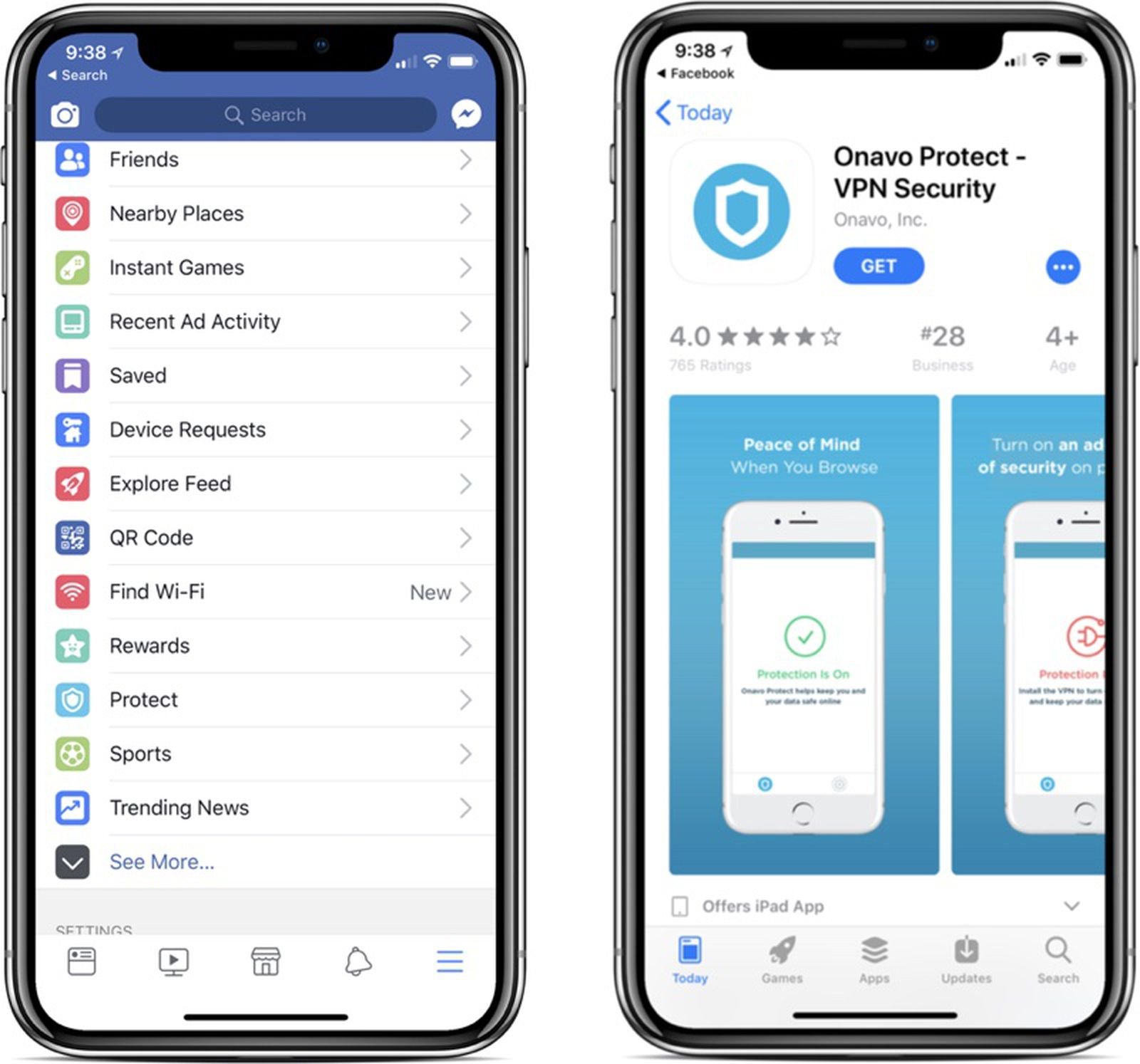
By 2018, Apple banned Onavo from the App Store for violating privacy rules.
Facebook’s response? Rebrand and go underground.
- They launched “Facebook Research”, paying teens $20/month to install the app.
- The program was hidden behind third-party services like Applause and uTest.
- When Apple discovered the scheme, they revoked Facebook’s enterprise certificates, temporarily breaking all of Facebook’s internal iOS apps.
But the damage was already done.
Chapter 4: The Fallout—Why This Still Matters Today
Onavo wasn’t just about spying on competitors. It was about controlling the entire digital ecosystem.
- Monopolistic Behavior: Facebook used Onavo’s data to identify and neutralize rivals.
- Privacy Violations: 33 million users were tricked into installing spyware disguised as a VPN.
- Legal Consequences: The FTC and EU have since fined Facebook billions for anti-competitive practices.
Yet, Zuckerberg faced no personal consequences.
Conclusion: The Dark Side of Big Tech
Onavo proves one thing: Big Tech will do anything to maintain power—even if it means lying, spying, and breaking encryption.
- 33 million people trusted a “privacy app” that was actually corporate spyware.
- Snapchat, WhatsApp, and Houseparty were all victims of Facebook’s surveillance.
- Regulators failed to act until it was too late.
The question now is: Will we let this happen again?
Source: