The State Department for Children Services has issued a stern warning to individuals, charitable organisations and social media content creators against sharing children’s photographs, videos and personal stories online for fundraising, publicity or entertainment without observing child protection requirements.
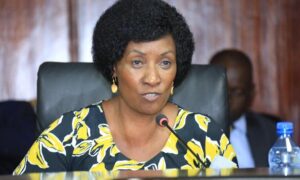
The warning, issued by Children Services Principal Secretary Carren Agengo, comes amid growing concerns over the use of vulnerable children’s identities, medical conditions and family circumstances to solicit financial assistance through social media platforms.
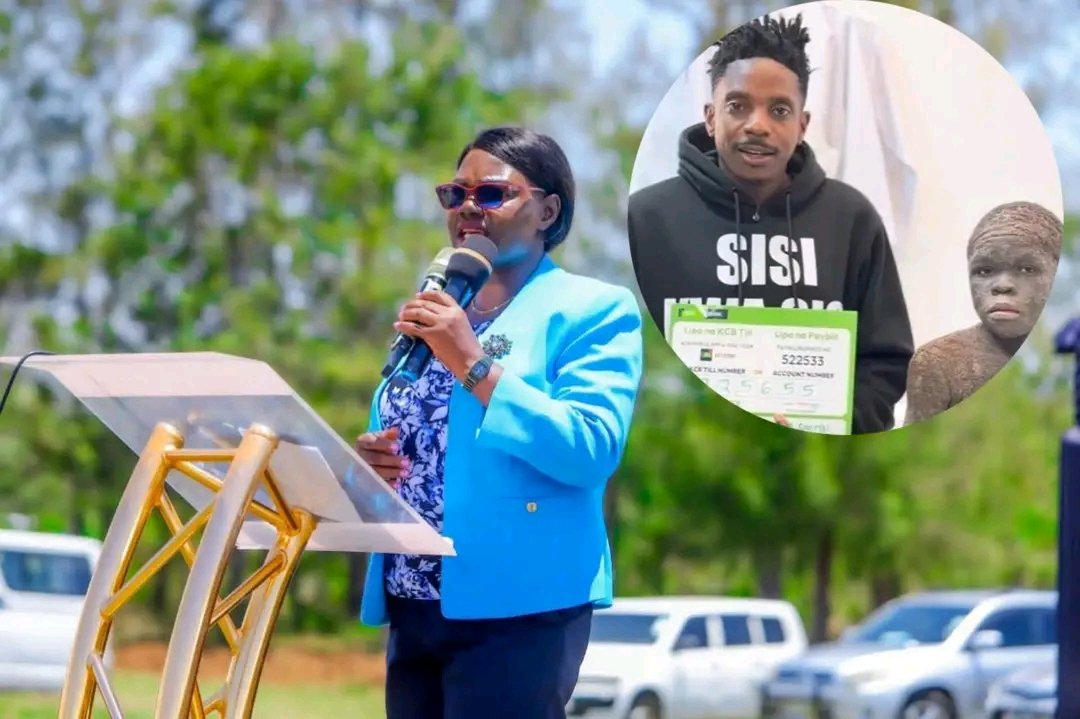
The advisory has attracted public attention following a fundraising campaign involving comedian and philanthropist Eric Omondi, who reportedly raised KSh10.2 million through his Sisi Kwa Sisi Initiative to support 17-year-old Bryson Makokha, a teenager living with a rare skin condition.
Omondi had shared Bryson’s story and photographs online while appealing to Kenyans to contribute towards the teenager’s treatment and support his family.
Although online fundraising has increasingly become an important way of helping vulnerable families access financial assistance, the government has raised concerns about the potential consequences of exposing children to public scrutiny.
According to the Children Services department, sharing identifiable information about children, particularly those experiencing medical challenges, poverty or difficult family circumstances, can expose them to stigma, bullying, discrimination and possible exploitation.
The warning has reignited an important national conversation about the balance between helping vulnerable children and protecting their dignity, privacy and fundamental rights in the digital age.
Why the Government Is Concerned About Children’s Photos on Social Media
The government says that children have a right to privacy, dignity and protection, regardless of their financial circumstances or medical conditions.
The growing popularity of social media fundraising has created opportunities for families struggling with medical bills, school fees, food and other basic needs. However, it has also raised questions about how personal information belonging to minors is collected, published and used to attract donations.
Platforms such as Facebook, TikTok, Instagram and X have made it easier for charitable campaigns to reach thousands or even millions of people within a short period.
A single video showing a child struggling with a medical condition can attract widespread sympathy, with Kenyans contributing money to help the affected family.
However, once photographs and personal stories are published online, controlling how they are shared becomes difficult.
Images can be downloaded, reposted, edited or circulated outside the original fundraising campaign. In some cases, the information may remain accessible long after the child has received assistance.
The State Department for Children Services is concerned that children who are exposed in this manner may experience consequences that extend beyond the original fundraising exercise.
For instance, a child whose medical condition is widely publicised could face discrimination when seeking admission to school, interacting with other children or participating in community activities.
Other children may become targets of online harassment, inappropriate comments and cyberbullying because of their physical appearance, family background or financial situation.
The government wants charitable organisations and individuals to understand that helping a vulnerable child should not require exposing that child’s private life to millions of social media users.
According to the department, charitable interventions must respect children’s rights and ensure that their safety and welfare remain the priority.
What Carren Agengo Said About Sharing Children’s Images
Principal Secretary Carren Agengo, through the State Department for Children Services, called on individuals, organisations, content creators and other stakeholders to stop the unauthorised taking, sharing and publication of children’s photographs and personal information, particularly for fundraising and publicity.
The department acknowledged the contribution made by well-wishers, charitable organisations and development partners in supporting vulnerable children and families.
However, it emphasised that such interventions must not compromise the rights of the children they are intended to help.
The government explained that even activities motivated by genuine compassion can expose minors to serious risks when their identities and sensitive personal circumstances are made public.
It also stressed that a child’s vulnerability should never become a tool for publicity or personal gain at the expense of privacy and dignity.
Importantly, the warning does not mean that Kenyans should stop supporting vulnerable children or contributing towards medical fundraising campaigns.
Instead, the government wants those involved in charitable activities to adopt responsible ways of seeking assistance without unnecessarily exposing the children concerned.
This means that content creators and organisations must reconsider how they document charitable activities, particularly when dealing with children who have serious medical conditions or come from disadvantaged families.
Does Parental Consent Allow Someone to Share a Child’s Photos Online?
One of the most important issues raised by the government concerns parental or guardian consent.
Many charitable organisations and content creators obtain permission from parents before recording videos or taking photographs of children during fundraising activities.
However, parental or guardian consent does not automatically justify publishing a child’s photographs or personal information where doing so could compromise the child’s safety and best interests.
This is an important distinction because parents may agree to have their children’s stories shared publicly to attract financial assistance.
A family experiencing financial difficulties may willingly allow a content creator to document its living conditions in the hope that Kenyans will contribute towards improving its circumstances.
However, the government maintains that the child’s welfare must remain the central consideration.
Consent should not be treated as permission to expose every aspect of a minor’s private life.
Those collecting children’s information must also consider the child’s age, maturity, views and the potential consequences of making that information publicly available.
The Office of the Data Protection Commissioner has also published guidance on processing children’s personal data.
Its guidance explains that organisations handling children’s personal information should first consider whether the processing is in the child’s best interests before proceeding to obtain parental or guardian consent.
This means that consent and the best-interests principle should work together rather than treating parental permission as an automatic justification for every form of online publication.
What the Law Says About Children’s Privacy in Kenya
Kenya has several legal provisions designed to protect children from exploitation, discrimination and unnecessary exposure.
Article 53(2) of the Constitution of Kenya provides that a child’s best interests are of paramount importance in every matter concerning the child.
This constitutional principle means that decisions involving children must prioritise their safety, welfare, development and dignity.
The Children Act, 2022, also provides a legal framework for protecting children against abuse, neglect, exploitation and other forms of harm.
The Data Protection Act, 2019, is another important piece of legislation because photographs, videos, medical information and other details that identify a child can constitute personal data.
Organisations and individuals handling such information must consider the applicable data protection requirements, including lawful processing, transparency, purpose limitation and appropriate safeguards.
There are also specific restrictions under Section 74 of the Children Act concerning publication of identifying information in proceedings involving children. These include restrictions on publishing a child’s name, identity, photograph, home or school in the circumstances covered by that provision.
However, it is important to distinguish those specific legal restrictions from the broader privacy and data protection obligations that apply to the handling of children’s personal information.
The government is therefore encouraging individuals and organisations to take child protection seriously rather than assuming that charitable intentions automatically make every publication lawful.
How Content Creators Can Raise Money Without Exposing Children’s Identities
The government has encouraged a more responsible approach to documenting and publicising charitable interventions.
One of the recommended approaches is anonymisation, which involves presenting a child’s circumstances without revealing their identity.
For instance, a content creator can explain that a family in Bungoma County needs financial assistance for a child’s medical treatment without showing the child’s face or disclosing identifying information.
Where photographs or videos are necessary and appropriate, identifying features can be blurred or concealed.
Other approaches include:
- Blurring children’s faces: Content creators can conceal children’s faces before publishing photographs or videos on social media.
- Avoiding disclosure of medical information: Sensitive medical records, detailed diagnoses and treatment information should not be unnecessarily published.
- Protecting family information: Personal details about parents, siblings, homes and schools should not be exposed without proper justification and safeguards.
- Using anonymised stories: Fundraising campaigns can explain the challenges facing a family without revealing the identity of the child involved.
- Obtaining informed consent: Organisations should ensure that parents or legal guardians understand how children’s photographs and personal information will be collected, processed and shared.
- Adopting child safeguarding policies: Charities and organisations working with minors should establish clear procedures to protect children during fundraising, publicity and other activities.
- Prioritising the child’s best interests: Every decision should consider whether public exposure could cause harm now or in the future.
These measures could help charitable organisations continue mobilising financial support while reducing the risks associated with exposing vulnerable children to public scrutiny.
Eric Omondi’s KSh10.2 Million Fundraiser for Bryson Makokha
The government’s warning comes at a time when comedian Eric Omondi’s Sisi Kwa Sisi Initiative has attracted nationwide attention following its fundraising campaign for 17-year-old Bryson Makokha.
Bryson, from Lukhuna village in Chwele, Bungoma County, has reportedly battled a rare and painful skin condition for approximately eight years.
His story became widely known after a video showed him selling bananas by the roadside while struggling with the condition.
The teenager explained that some customers avoided buying his bananas because of his skin condition, making it difficult for him to earn enough money to support himself.
His circumstances attracted sympathy from Kenyans, with content creators and other well-wishers highlighting his situation on social media.
Eric Omondi subsequently took up the teenager’s case through his Sisi Kwa Sisi Initiative and appealed to Kenyans to contribute towards his medical treatment and the welfare of his family.
The campaign received an overwhelming response, with contributions reportedly reaching KSh10.2 million.
According to reports published on November 16, 2026, the funds are intended to support Bryson’s medical treatment, his mother’s healthcare needs and other interventions aimed at improving the family’s living conditions.
The comedian also outlined plans to support the family’s long-term welfare through housing, education and sustainable income-generating activities.
Among the reported interventions were plans to establish a business for the family and set aside KSh2 million for an education fund to support Bryson and his siblings.
Bryson was also reported to have been admitted to The Luton Hospital along Ngong Road in Nairobi for medical assessment and treatment.
The campaign demonstrated how social media can mobilise thousands of Kenyans to support people experiencing difficult circumstances.
However, the government’s latest advisory has brought attention to another important question: How can charitable campaigns raise millions of shillings without exposing vulnerable children to unnecessary public scrutiny?
It is worth noting that the State Department for Children Services did not specifically name Eric Omondi or his Sisi Kwa Sisi Initiative in its November 17 statement.
The warning was directed at individuals, charities, influencers and content creators generally. It should therefore not be interpreted as an official finding that Omondi committed an offence.
Will the Government’s Warning Affect Eric Omondi’s Charity Work?
The government’s announcement could influence how Eric Omondi and other social media personalities document their charitable activities in the future.
Omondi has increasingly used his social media platforms to highlight the struggles of vulnerable Kenyans and mobilise financial assistance from well-wishers.
His fundraising approach has enabled individuals who might otherwise struggle to access financial assistance to receive support from people across the country and beyond.
However, the new government position highlights the need to balance public accountability with children’s privacy.
For example, content creators may need to reconsider whether showing a child’s face, revealing their medical condition or disclosing their family background is necessary to achieve the objectives of a fundraising campaign.
They can instead provide updates about the progress of medical treatment, financial contributions and how donations are being utilised without exposing the child’s identity.
This would allow Kenyans to follow charitable activities and understand how their contributions are making a difference.
The government is not discouraging philanthropy. Rather, it wants charitable activities to be conducted in a manner that protects the people receiving assistance.
For Eric and other philanthropists, this could mean adopting stronger child protection procedures when visiting vulnerable families, recording videos or publishing fundraising appeals.
Why Children’s Privacy Matters Even After Successful Fundraising
Another important concern is what happens to a child after a fundraising campaign becomes successful.
A video shared today to attract financial assistance may remain available on social media for many years.
Even when a child recovers from an illness or improves their living conditions, the photographs and videos documenting their previous struggles may continue circulating online.
As children grow older, they may become uncomfortable with personal information that was shared about them when they were too young to understand the consequences.
Some may also face questions, discrimination or embarrassment because of information that was published during their childhood.
This is why child protection advocates increasingly emphasise the importance of digital privacy.
A child should have an opportunity to grow, develop relationships, attend school and participate in society without being permanently defined by a medical condition, poverty or difficult family circumstances.
Protecting children’s identities also reduces the possibility of malicious individuals using publicly available information to target vulnerable families.
The government therefore wants individuals and organisations to consider the long-term implications of publishing children’s personal stories.
Government Calls for Cooperation in Protecting Vulnerable Children
The State Department for Children Services has called on stakeholders involved in child welfare activities to adopt appropriate safeguarding measures.
The department also indicated that it would work with the Office of the Data Protection Commissioner and other relevant agencies to address violations involving children’s personal information.
This cooperation is important because social media has made it increasingly difficult to control the distribution of personal information once it becomes public.
Charitable organisations, churches, community groups, influencers and individual philanthropists all have a responsibility to ensure that their activities do not expose children to unnecessary risks.
The government wants organisations to understand that the success of a fundraising campaign should not be measured only by the amount of money collected.
The manner in which assistance is delivered also matters.
A successful charitable intervention should improve a child’s welfare while preserving their dignity, safety and privacy.
For Kenyans who regularly contribute to online fundraising campaigns, the advisory is also a reminder to support legitimate charitable causes while respecting the privacy of the children involved.
Conclusion
The warning by Children Services Principal Secretary Carren Agengo has opened an important discussion about children’s rights in Kenya and the growing influence of social media fundraising.
Eric Omondi’s Sisi Kwa Sisi Initiative has demonstrated the power of collective giving, with Kenyans reportedly contributing KSh10.2 million towards helping Bryson Makokha and his family.
However, the government insists that charitable activities must not compromise children’s privacy, dignity and best interests.
The challenge moving forward will be finding ways to continue supporting vulnerable families without turning children’s personal struggles into permanent public content.
Ultimately, helping a child should mean improving their life, protecting their future and preserving their dignity.