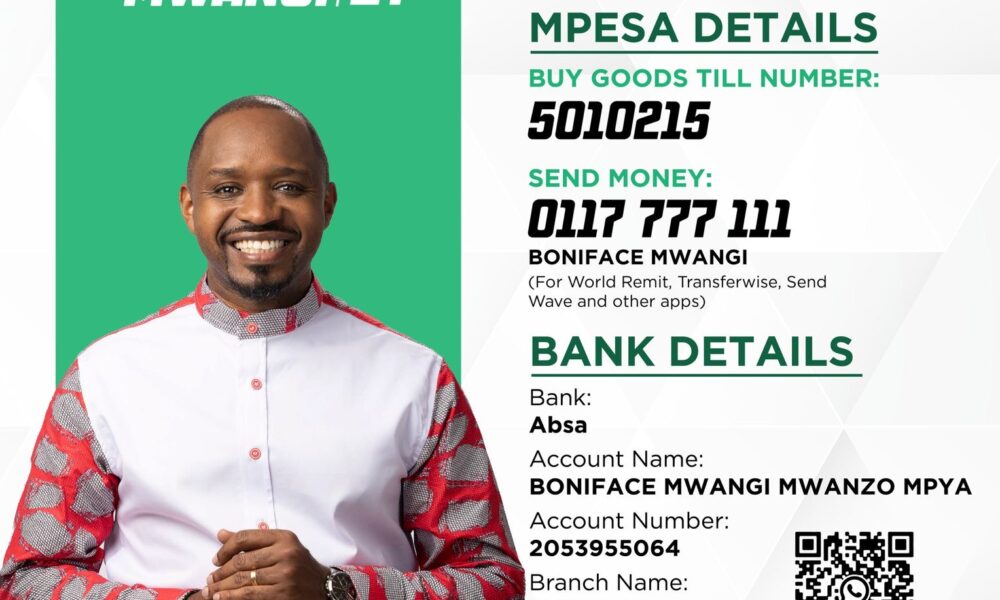
In a shocking and urgent plea, renowned Kenyan activist and political aspirant Boniface Mwangi has revealed that he requires constant public funding for his personal security to stay alive while campaigning. The bold admission was made in a public notice detailing his campaign’s donation channels, framing contributions as a literal matter of life and death.
The activist, known for his fierce criticism of government corruption and injustice, stated that the current political climate in Kenya has forced him to adopt extreme safety measures. “If Kenya were safe, I would move with just one driver,” Mwangi lamented. However, he cites the pervasive threats from “hired goons, rampant crime, and state-sponsored violence” as the reason he must now travel with a full security and media team at all times.
This stark portrayal of the dangers faced by opposition figures in Kenya has sent ripples through social media, with hashtags like #MwanzoMpyaKenya and #LoveandCourageKE gaining traction. Mwangi’s message is clear: continuing his campaign to meet the people comes with a significant and ongoing financial cost for protection.
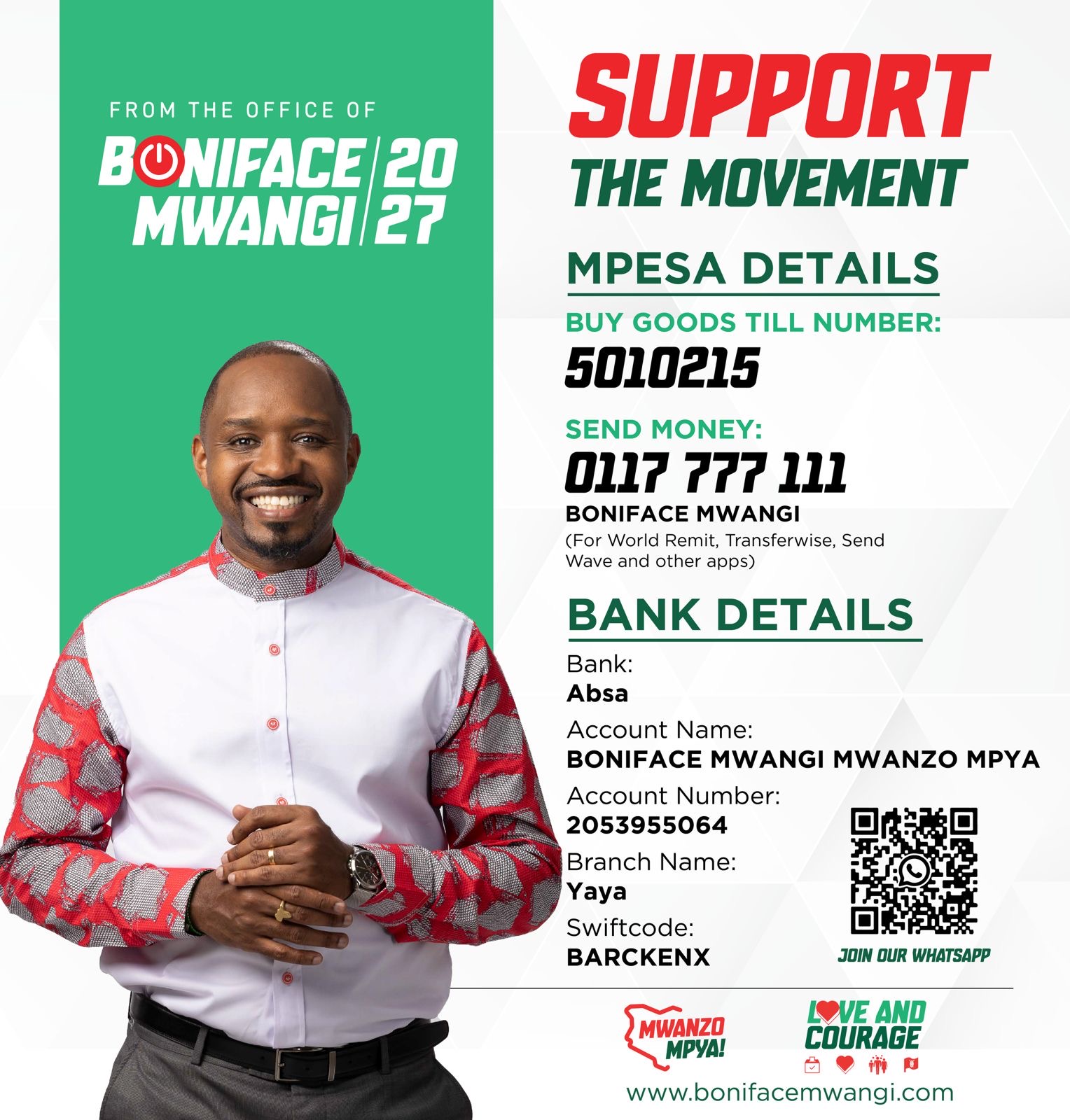
The public notice provides multiple avenues for supporters to contribute, including M-Pesa details with a Buy Goods Till number (5010215) and a Send Money number (0117 777 111). For international backers, bank details for Absa are listed, explicitly naming services like World Remit and Transferwise to facilitate diaspora support. The call to action is direct and emotional, emphasizing that “every shilling counts” and that support “literally helps keep me alive.”
This strategy highlights the perilous reality for many activists in Kenya, where political violence remains a grave concern. By publicly linking campaign donations to his immediate physical safety, Boniface Mwangi is not just fundraising; he is making a powerful statement about the state of Kenyan democracy and the risks involved in challenging the status quo. The success of his “Mwanzo Mpya!” (New Beginning!) movement may now depend on the public’s willingness to become stakeholders in his protection.