The Auditor General revealed that Kenya Power has inflated electricity bills in cases where consumers are overcharged by up to 20% for electricity they do not use.
Auditor General Nancy Gathongo, who appeared before the parliamentary committee, said a forensic examination of electricity generation, transmission and distribution found that the bill did not match actual consumption, when the surcharges charged by the utility company to the consumer could not be traced back to the payment system.
“Almost 20 percent of the bill to consumers cannot be matched to actual consumption neither can the distribution company attribute it to a specific consumer,” Said Nancy Gathungu in a statement to the Parliamentary Committee.
Neither the Kenya Electricity Company nor the Petroleum and Energy Regulatory Authority (EPRA) have fully explained this anomaly.
The audit revealed errors in calculating system losses due to the use of outdated research reports, partial simulations, and computational errors.
According to Gathungu, there was a lack of primary access to the key indices which limited the ability of IPPs and KPLC to independently verify the authenticity of prices in the invoices where such indices were applied.
Adding: “The risk from lack of access to these key indices means KPLC is limited in its oversight role of ensuring the submitted invoices were correct.”
The audit identified Kenya Power’s systemic loss as the largest financial burden for consumers.
Ms. Gathungu noted that over the past three fiscal years, the systemic loss rate has been high compared to what both Epra and Kenya Power acknowledged.
In the 2019/2020 fiscal year, the approved reduction in performance was 19%, but Kenya Power recorded a decrease in performance of 23.47%.
In 2020/2021 the approved system loss was 19% but the recorded loss was 23.98%. In 2021/2022, the system loss was 22.44% compared to the approved performance loss of 19%.
For each loss over 19% of the approved loss, the additional cost is transferred to the consumer in the electricity bill.
Gathungu claimed that although the management indicates that they have been working to reduce the power losses, there is no evidence of efforts and achievements made along the improvement of these recoveries.”Charging of losses impacts on the cost of electricity.”
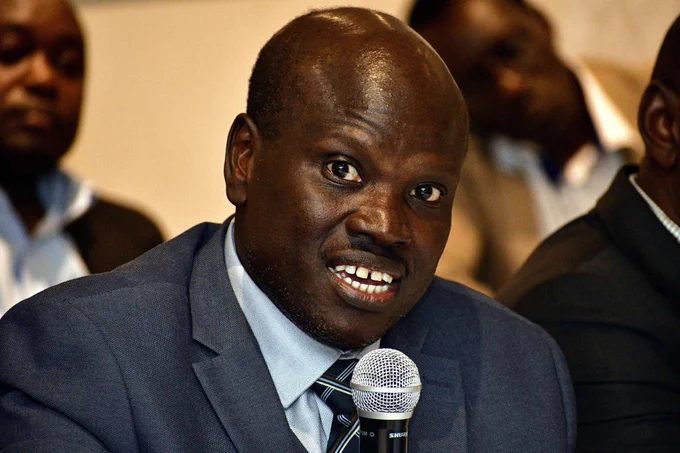
The committee Chair Vincent Musyoka said the auditor-general’s startling revelation underscores Kenyans’ concerns about soaring electricity bills.
Musyoka described the data by the Auditor-General as “scary and captured” the fears of the committee and Kenyans have been having all along.
He noted that while losses are to be expected during the transmission of power, they must be shared between the Kenya Electricity Company and the electricity producer.
Kenya Electricity Chief Executive Joseph Siror told MPs that losses are inevitable in the transmission of electricity from the point of generation to the consumer.
He told the MPs that they are currently working with KenGen and Ketraco to get shorter lines to reduce losses.
Dr Siror said illegal connections also contributed to Kenya Power’s heavy losses. He said about 188,000 customers have paid for meters that are not connected because there are no meters, so some have to connect illegally.