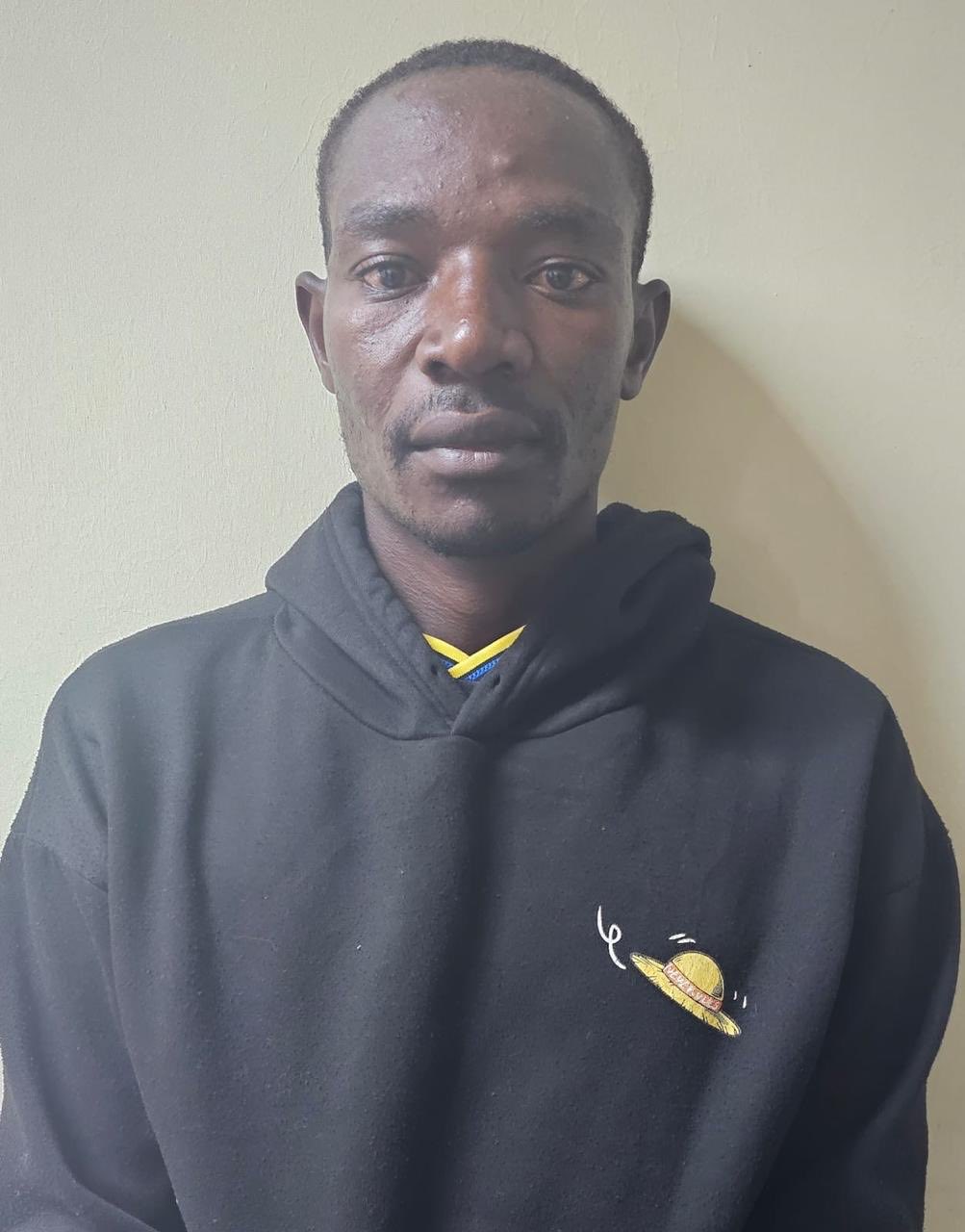
Nairobi, Kenya – Two alleged fraudsters believed to be at the center of a widely circulated fake KCSE results slip scam are in custody following a targeted operation by the Directorate of Criminal Investigations (DCI), in collaboration with the Kenya National Examinations Council (KNEC). The suspects, Albert Kerry Nyadianga and David Opiyo aka G.O.A.T, have been linked to the production and distribution of fake KCSE result slips (KCSE 2025) that were being sold to desperate candidates and parents at a fee.
According to the official DCI statement seen by our newsroom, the two conmen were arrested after intelligence and undercover work revealed an extensive KCSE grade upgrading syndicate that promised to manipulate and falsify genuine Kenya Certificate of Secondary Education (KCSE) result slips. The arrests highlight increased law enforcement focus on academic fraud and efforts to protect the integrity of national examinations.
How the Fake KCSE Results Scam Worked
The suspects allegedly operated a scam targeting candidates waiting for their 2025 KCSE results and parents anxious about performance outcomes. They reportedly advertised a service that could “upgrade” students’ KCSE grades, claiming to have “insider access” to secure exam databases and systems.
According to initial investigations:
- The conmen marketed fake KCSE result slip services online through social media channels and WhatsApp groups.
- They charged unsuspecting clients a fee to produce and deliver tampered KCSE result slips with improved grades.
- They used a variety of online forums, misleadingly branded with legitimate‑sounding names like “KCSE 2025 Grade Upgrading,” “KNEC Legit Papers and Upgrading,” “Group Booster Support,” and others.
- One of the suspects, David Opiyo, is believed to be the mastermind behind the online scam, leveraging a large online following to lure victims.
Investigators recovered multiple fake KCSE results slip images and other fabricated examination documents from the suspects’ mobile phones during searches, further strengthening the case against them.
Arrests Made in Kisumu and Ongata Rongai
Following a coordinated DCI operation:
- Nyadianga was arrested in Kisumu, where he was reportedly found with fake documents and electronic devices linked to the scam.
- Opiyo was cornered in Ongata Rongai, where he maintained active contact with dozens of potential clients and fellow accomplices.
Both suspects are currently in custody and undergoing processing by authorities ahead of their first court appearance. Charges are expected to include impersonation, fraud, publication of false examination documents, and related offenses under Kenyan law.
DCI and KNEC Warn Public Against Fake KCSE Slip Scams
The DCI and KNEC have issued a joint warning to the public following the bust:
“Members of the public are advised to remain vigilant against fraudsters peddling illusions of grade manipulation,” the statement reads. “KCSE results are secure, tamper‑proof, and cannot be altered by middlemen hawking false hope.”
Authorities emphasized that:
- KCSE results are generated directly by KNEC using secure digital systems.
- There is no legitimate process for private individuals to upgrade KCSE grades outside of formal review and appeal procedures already established by KNEC.
- Any claim promising improved KCSE results for a fee is fraudulent.
The warning underscores the fact that attempting to procure or use fake KCSE results is not only illegitimate, but it is also punishable under Kenyan law.
Why Fake KCSE Results Scams Flourish
The arrest of Nyadianga and Opiyo sheds light on a broader challenge within Kenya’s education system – the proliferation of fake certificate and result slip scams. These schemes usually thrive for several reasons:
1. High Stakes for Students and Parents
KCSE results determine access to higher education, scholarships, and future career opportunities. The pressure to perform can lead some students and families to seek shortcuts, even when none exist.
2. Widespread Use of Social Media
Scammers are taking advantage of popular platforms like WhatsApp, Facebook, Instagram, and Telegram to promote their fake KCSE results services, often using convincing graphics and doctored documents to fool victims.
3. Lack of Awareness
Despite repeated warnings from education authorities, many parents and students are still unaware that KCSE result arms cannot be legally altered outside official systems and channels.
4. Organized Fraud Networks
Law enforcement officials say this isn’t an isolated case; rather, it points to organized networks offering fake certificates, fake results slips, and examination manipulation services.
Online Platforms Used in the Scam
Investigators discovered that the suspects were active in several online communities and forums that contained misleading branding. These included, but are not limited to:
- “KCSE 2025 Grade Upgrading” Group
- “KNEC Legit Papers and Upgrading”
- “Group Booster Support”
- “KNEC/KASNEB/ICM/CDA”
- “KNEC Grade Editing”
These forums served as both advertising platforms and communication channels to recruit clients, share fake documents, and coordinate payment arrangements.
The Role of Social Media in Academic Fraud
Social media has become one of the most powerful tools for scammers. With minimal cost and easy reach, fraudsters are:
- Creating private groups and pages to lure victims.
- Sharing deceptive testimonials and promotional materials.
- Using fake endorsements and profiles to build credibility.
- Transacting money digitally and disappearing once payments are made.
Authorities are urging parents and potential victims to question any offer related to KCSE grade upgrades or guaranteed improvements in exam performance. They stress that legitimate academic progress comes through hard work and recognized educational processes.
Legal Consequences for Fake KCSE Results Scammers
Under Kenyan law, anyone involved in publishing or distributing false examination results, fraudulently altering documents, or misrepresenting educational qualifications can face severe penalties, including:
- Criminal charges for forgery and fraud
- Fines and imprisonment
- Permanent criminal record
- Civil suits by defrauded victims
Legal experts believe that the current arrests will serve as a deterrent to would‑be fraudsters who aim to exploit vulnerable students and families.
Protecting Academic Integrity in Kenya
The DCI and KNEC reiterated their commitment to safeguarding the integrity of Kenya’s education system. As part of these efforts:
- KNEC continues to inform the public about official result release procedures.
- Law enforcement agencies are increasing surveillance and monitoring of online platforms where fraudulent activities are known to occur.
- Investigations have been broadened, with authorities actively tracking down additional suspects involved in the syndicate.
Detectives have hinted that more arrests are likely as the dragnet tightens around the academic fraud networks operating both locally and across borders.
How to Verify Genuine KCSE Results
To avoid falling victim to fake KCSE results scams, students and parents are encouraged to follow these simple steps:
- Always check KCSE results from KNEC’s official channels — including their official website and SMS verification codes.
- Do not engage with unknown social media groups offering result upgrades.
- Report suspicious accounts and offers to law enforcement and KNEC immediately.
- Never pay for promises of improved grades or altered results slips.
KNEC has systems in place to ensure that all KCSE results are secure and tamper‑proof, and only original result slips issued by the council should be considered valid.
Public Response and Reactions
News of the arrests has sparked reactions across social media and in education circles:
- Many parents welcomed the crackdown and praised the DCI for acting swiftly to protect the reputation of Kenya’s national examinations.
- Education advocates emphasized the need for greater public awareness about fraud prevention.
- Students expressed relief that authorities are taking action against people who exploit others’ fears and aspirations.
Conclusion: A Win for Education Integrity
The arrest of Albert Kerry Nyadianga and David Opiyo (G.O.A.T.) sends a strong message that fake KCSE result scammers will be held accountable for their actions under Kenyan law. As the investigation unfolds and authorities work to dismantle the wider network behind these schemes, the public is urged to stay alert.
KCSE results cannot be manipulated, and any claim to the contrary should be reported to the appropriate authorities immediately.
For now, both suspects remain in custody as the DCI prepares formal charges. Further developments are expected as the case moves through the judiciary process.