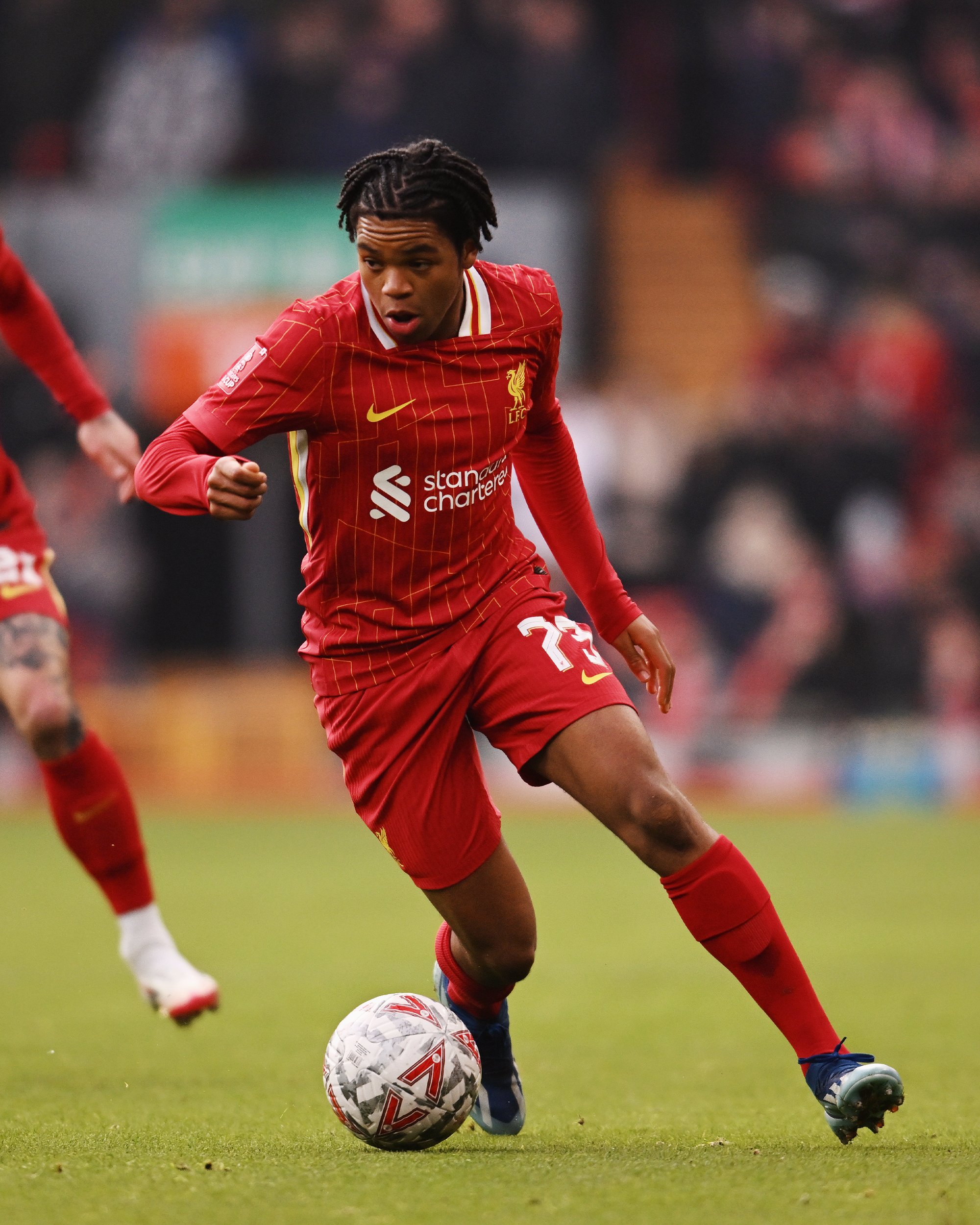
The Premier League clash between Liverpool and Burnley on 17 January 2026 brings together two clubs with contrasting footballing identities, historical context, and statistical profiles. Set at Anfield, this fixture is shaped by long-standing head-to-head patterns, differing tactical philosophies, and season-long performance trends.
🏟️ Match Information
- Fixture: Liverpool vs Burnley
- Competition: English Premier League
- Date: Saturday, 17 January 2026
- Venue: Anfield, Liverpool
The match takes place during the middle phase of the league season, a period often defined by tactical clarity, squad management, and consistency rather than early-season volatility.
📊 2025/26 Season Overview
Liverpool: Performance Profile
Liverpool’s 2025/26 Premier League campaign reflects a side that remains structurally dominant and offensively involved, though not without periods of adjustment.
Key season characteristics:
- Average goals scored per match across recent league fixtures sits between 1.5 and 1.6, indicating consistent attacking involvement.
- Liverpool’s matches frequently feature multiple goal events, often with both teams finding the net.
- High possession figures are a recurring theme, with Liverpool controlling large portions of matches through structured build-up play.
- Defensive performances include clean sheets as well as matches where goals are conceded, suggesting a balance between pressing ambition and transitional exposure.
Liverpool’s statistical profile points to a team that prioritizes tempo control, ball dominance, and sustained attacking pressure, rather than conservative match management.
Burnley: Performance Profile
Burnley’s 2025/26 season reflects a team built around defensive organization, compact spacing, and measured attacking involvement.
Key season characteristics:
- Average goals scored per match sits close to 1.0, placing Burnley near league median for offensive output.
- Matches often include goals from both sides, highlighting Burnley’s participation in open phases rather than low-event fixtures.
- Defensive structure remains a defining feature, with Burnley frequently absorbing pressure and limiting early scoring chances.
- Goal involvement often arises from transitional moments, set pieces, or late attacking phases.
Burnley’s numbers indicate a team that competes through structural discipline and efficiency, rather than sustained possession or high attacking volume.
🔁 Head-to-Head History: Liverpool vs Burnley
The historical relationship between Liverpool and Burnley is shaped by consistent dominance from Liverpool, alongside occasional tightly contested matches.
📋 Recent Competitive Meetings
| Date | Competition | Venue | Result |
|---|---|---|---|
| Sep 2025 | Premier League | Turf Moor | Burnley 0–1 Liverpool |
| Feb 2024 | Premier League | Anfield | Liverpool 3–1 Burnley |
| Dec 2023 | Premier League | Turf Moor | Burnley 0–2 Liverpool |
| Feb 2022 | Premier League | Turf Moor | Burnley 0–1 Liverpool |
| Aug 2021 | Premier League | Anfield | Liverpool 2–0 Burnley |
| Jul 2020 | Premier League | Anfield | Liverpool 1–1 Burnley |
| Aug 2019 | Premier League | Turf Moor | Burnley 0–3 Liverpool |
| Mar 2019 | Premier League | Anfield | Liverpool 4–2 Burnley |
📊 Overall Head-to-Head Trends
Across all recent competitive meetings:
- Total matches analyzed: Approximately 17
- Liverpool wins: 13
- Draws: 2
- Burnley wins: 2
- Nearly half of the matches feature more than 2.5 total goals
- Goals from both teams occur in a significant portion of meetings
At Anfield specifically, Liverpool’s control has historically been stronger, though Burnley have managed to produce competitive displays through disciplined defending.
📈 Statistical Tendencies
Scoring and Conceding Patterns
Liverpool
- Goals scored per match: ~1.5–1.6
- High attacking volume and final-third entries
- Goals often spread across multiple attacking contributors
Burnley
- Goals scored per match: ~1.0
- Defensive concessions occur more frequently late in matches
- Scoring opportunities primarily arise from transitions and set pieces
Match Flow Indicators
- Liverpool typically register significantly higher possession percentages
- Burnley frequently face high shot volumes but reduce clear-cut chances through compact shape
- Historical data shows moderate-to-high total goal counts, rather than consistently low-scoring encounters
These indicators reflect a recurring match pattern of Liverpool pressure versus Burnley resistance.
🧠 Tactical Structures and Playing Identity
Liverpool: Tactical Characteristics
Liverpool’s tactical identity continues to evolve around possession, pressing, and structured attacking movement.
Build-Up and Possession
- Emphasis on controlled buildup from the back
- Midfield rotations designed to open passing lanes
- Wide players and overlapping defenders stretch defensive blocks
Attacking Patterns
- Sustained pressure in the final third
- Combination play around the penalty area
- Set-piece involvement when open play becomes congested
Defensive Approach
- High pressing phases to recover possession quickly
- Occasional exposure to counterattacks due to advanced positioning
Strengths
- Territorial control
- High attacking consistency
- Ability to sustain pressure over long phases
Limitations
- Reduced attacking fluidity against deep defensive blocks
- Occasional defensive vulnerability during transitions
Burnley: Tactical Characteristics
Burnley’s tactical setup emphasizes compactness, discipline, and selective aggression.
Defensive Organization
- Deep or mid-block defensive lines
- Narrow spacing between defense and midfield
- Emphasis on blocking central progression
Attacking Approach
- Direct progression during transitions
- Use of wide areas and crosses
- Set-piece opportunities as a primary attacking route
Match Management
- Willingness to concede possession
- Focus on maintaining shape and reducing opponent rhythm
Strengths
- Defensive resilience
- Tactical discipline
- Efficiency in structured attacking moments
Limitations
- Lower attacking volume
- Difficulty sustaining pressure in the opponent’s half
📊 Strengths and Weaknesses Comparison
Liverpool
Strengths
- Possession dominance
- Consistent goal involvement
- Tactical flexibility in attack
Weaknesses
- Challenges breaking down compact defensive systems
- Transitional exposure when pushing defensive lines high
Burnley
Strengths
- Organized defensive structure
- Competitive discipline against stronger opponents
- Ability to generate goal events from limited opportunities
Weaknesses
- Limited sustained attacking presence
- Dependence on defensive success to remain competitive
🏟️ Anfield Context
Anfield’s influence is reflected statistically through:
- Higher possession dominance for Liverpool
- Increased attacking phases and shot volume
- Strong historical performance in head-to-head meetings
However, historical data also shows that Burnley have remained competitive through tactical restraint and disciplined defensive execution, limiting early scoring phases.
📌 Objective Summary
The Liverpool vs Burnley Premier League fixture on 17 January 2026 is defined by structural contrast rather than uncertainty:
- Liverpool operate through possession, pressure, and attacking continuity
- Burnley emphasize compact defense, transitions, and efficiency
- Historical head-to-head records show Liverpool dominance but competitive match flow
- Statistical trends indicate moderate-to-high goal involvement without extreme volatility
Viewed through an objective analytical lens, this fixture represents a case study in Premier League contrast — where control meets compact resistance, and structure defines outcomes rather than speculation.