Enzo Maresca has resigned from his position as head coach of Chelsea, bringing an abrupt end to a tenure that combined silverware with growing instability and internal tension at Stamford Bridge.
The Italian, who took charge in June 2024, leaves after 92 matches in all competitions, having recorded 55 wins and delivered two trophies. His departure was first reported by Sky Sport and later confirmed by sources close to the club.
Maresca’s resignation follows a difficult run of domestic form, increasing pressure from supporters and reports of strained relations with Chelsea’s ownership and sporting structure. While his overall record includes notable successes, the circumstances surrounding his exit highlight the volatility that has continued to define Chelsea in the post-Roman Abramovich era.
A carefully chosen appointment
Chelsea appointed Maresca on a long-term contract in the summer of 2024, identifying him as a coach capable of implementing a clear playing identity and developing a young squad assembled at significant cost.
His credentials were shaped by time spent working under Pep Guardiola at Manchester City and by a successful spell at Leicester City, where he guided the club back to the Premier League. Chelsea’s hierarchy viewed him as a progressive coach aligned with the club’s data-led recruitment strategy and long-term vision.
At the time of his appointment, Maresca spoke of building “a recognisable style” and restoring Chelsea’s competitiveness in domestic and European competitions. The club, which had finished outside the Premier League’s top four for consecutive seasons, were seeking stability after frequent managerial changes.
Early promise and silverware
Maresca’s first months in charge appeared to justify the club’s faith. Chelsea showed tactical structure and improved control in possession, with younger players taking on prominent roles.
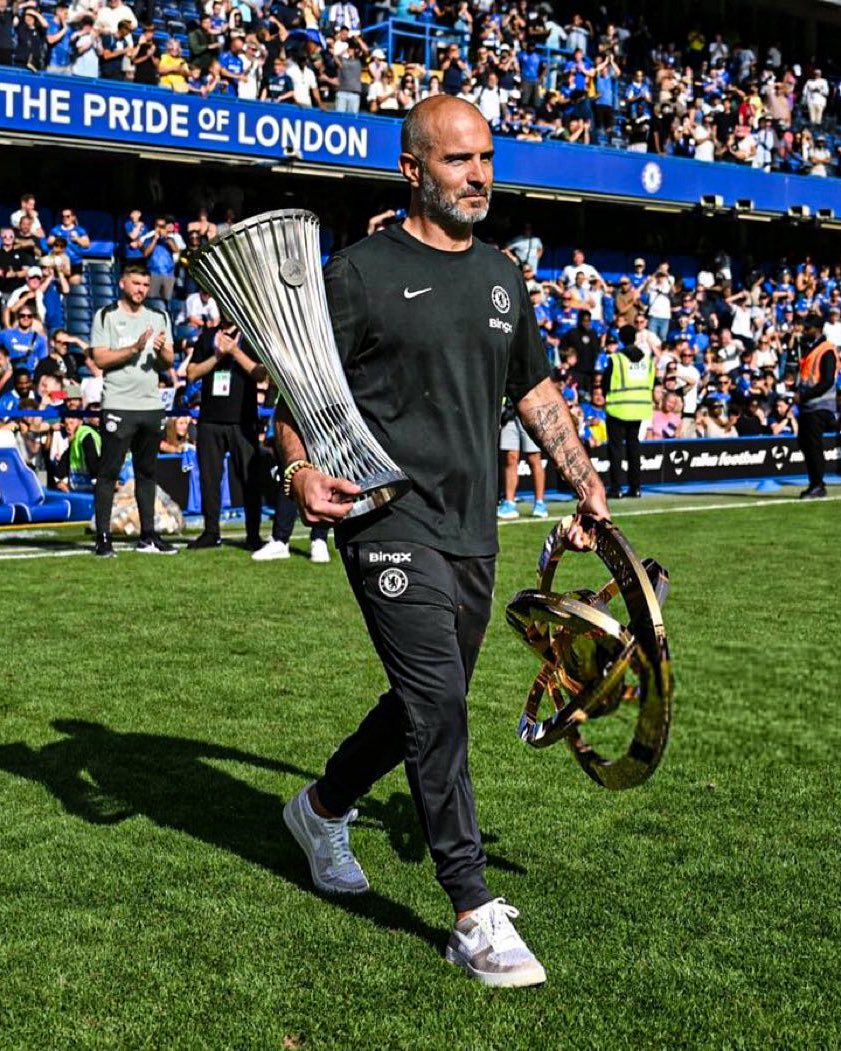
The highlight of his tenure came in cup competitions. Chelsea won the UEFA Conference League, securing a European trophy and underlining their progress on the continental stage. That success was followed by victory in the FIFA Club World Cup, adding another title to the club’s honours list and providing tangible evidence of progress.
Those achievements eased pressure during his debut season and strengthened the perception that Chelsea were moving in a positive direction, even if league form remained inconsistent.
Domestic struggles and growing frustration
Despite success in knockout competitions, Chelsea’s Premier League performances failed to reach the required level. In the early months of the 2025–26 season, the team slipped into a pattern of inconsistent results, including a run of just one win in seven league matches.
Dropped points against mid-table and lower-ranked sides proved costly, leaving Chelsea adrift of the top four and under renewed scrutiny. Supporters grew increasingly frustrated, with audible boos directed towards the team and the manager during home matches.
A draw against Bournemouth became a flashpoint. Maresca’s decision to substitute key players late in the game was met with disapproval, and his subsequent absence from post-match media duties – officially attributed to illness – intensified speculation about his future.
Tensions behind the scenes
As results declined, reports emerged of disagreements between Maresca and Chelsea’s hierarchy. Sources suggested there were differences over tactical flexibility, squad rotation and long-term planning, particularly concerning the integration of new signings and the balance between short-term results and development.
Chelsea’s ownership structure, which places significant influence in the hands of sporting directors and recruitment specialists, has previously been cited as a challenge for head coaches seeking autonomy. Maresca was understood to be increasingly uncomfortable with aspects of that arrangement.
While Chelsea have not publicly detailed the reasons for his resignation, the timing – midway through a demanding season – points to a breakdown in working relationships rather than results alone.
Assessing Maresca’s record
On paper, Maresca’s record compares favourably with several recent Chelsea managers. Winning 55 of 92 matches represents a solid win ratio, and the addition of two trophies places him among the more successful coaches of the club’s modern era.
However, Chelsea’s expectations extend beyond cup success. Consistent qualification for the Champions League remains a priority, both for sporting prestige and financial sustainability. Failure to mount a sustained challenge in the Premier League ultimately undermined confidence in the project.
Maresca’s tactical approach, heavily influenced by positional play and structured build-up, drew praise from analysts but also criticism when results faltered. Opponents increasingly targeted Chelsea’s high defensive line and buildup patterns, and the team struggled at times to adapt mid-game.
Reaction from supporters and pundits
Reaction to Maresca’s resignation has been mixed. Some supporters argue that he was not afforded sufficient time to embed his ideas and that instability at board level continues to hinder progress.
Others believe Chelsea’s league form was unacceptable given the resources invested in the squad and that change was inevitable. Former players and pundits have pointed to the club’s ongoing difficulty in reconciling long-term planning with short-term demands.
The broader football community has also noted the pressures faced by modern managers, particularly at clubs with high turnover and complex decision-making structures.
What next for Chelsea?
Chelsea now face another period of uncertainty as they begin the search for a new head coach. An interim appointment is expected in the short term, with the club assessing both domestic and overseas candidates.
The next manager will inherit a squad rich in talent but still searching for consistency and leadership. Key challenges include restoring confidence, improving league form and managing expectations amid continued scrutiny.
Chelsea’s upcoming fixtures in January competitions and the Premier League will be crucial in determining whether the season can still be salvaged.
Maresca’s future
At 45, Maresca is expected to attract interest from clubs across Europe. His track record of developing young players and winning trophies ensures his reputation remains intact despite a difficult end to his Chelsea tenure.
Whether his next role comes immediately or after a period away from the game remains to be seen, but his experience at Stamford Bridge is likely to shape his approach going forward.
A familiar pattern at Stamford Bridge
Maresca’s departure reinforces a familiar narrative at Chelsea: success and turmoil often arrive hand in hand. Since the club’s change in ownership, stability in the managerial position has proved elusive, despite significant investment and ambition.
For Chelsea, the challenge remains finding a coach capable of delivering results while navigating the club’s complex structure. For Maresca, his time in west London will be remembered as a spell of promise, achievement and unresolved tension.
As the club turns the page once again, questions persist about whether lasting stability is achievable – or whether change will continue to define life at Stamford Bridge.