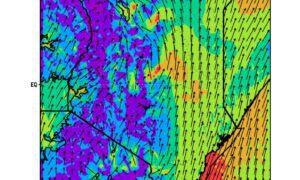
Kenya has been placed on high alert following a new Heavy Rainfall Advisory issued by the Kenya Meteorological Department (KMD), warning of potentially dangerous weather conditions expected to affect large parts of the country over several days. The advisory, released on 26th December 2025 at 4:00 pm, highlights an increased risk of flooding, disrupted transport, and damage to property as rainfall intensifies across multiple regions.
According to the official notice from the Ministry of Environment, Climate Change and Forestry, the rainfall event is categorized as moderate to heavy, with a 33% to 66% probability of occurrence, making it a serious concern for residents, businesses, and emergency response agencies. The alert is Advisory No. 04/2025, marking the fourth update on this developing weather situation.
When the Heavy Rains Are Expected
The advisory states that the heavy rainfall will begin on 27th December 2025 at 3:00 pm and is expected to persist until 30th December 2025 at 3:00 am. Meteorologists note that the rains will initially affect the Southeastern lowlands, where rainfall exceeding 20mm within 24 hours is expected on the first day.
As the system strengthens, rainfall intensity is projected to increase to over 30mm in 24 hours, spreading to wider areas on 28th and 29th December. The Kenya Meteorological Department has indicated that the rainfall should start to reduce in intensity by 30th December 2025, but not before causing significant disruptions in vulnerable regions.
Counties and Regions at Risk
The alert lists a wide range of counties expected to experience heavy rainfall. These include:
- Migori
- Homa Bay
- Kisii
- Narok
- Kajiado
- Makueni
- Machakos
- Nairobi
- Kericho
- Bomet
- Southern parts of Kitui
- Taita-Taveta
- Kwale
In addition, rainfall is expected to spread to parts of the Highlands West and East of the Rift Valley, the Lake Victoria Basin, and southern sections of the Coastal region. These areas are particularly vulnerable due to existing drainage challenges, densely populated settlements, and river basins prone to overflowing.
Flooding and Safety Concerns
Residents in the affected counties have been urged to remain vigilant, especially those living in flood-prone areas, low-lying regions, and near rivers. Heavy rainfall of this magnitude often leads to flash floods, waterlogging in urban areas, landslides in hilly regions, and disruption of road networks.
Urban centers such as Nairobi, Machakos, and Kajiado may experience severe traffic congestion and infrastructure strain as drainage systems struggle to cope with the sudden increase in surface water. In rural counties, farmers are advised to secure livestock and farm equipment, while communities near rivers should prepare for possible evacuations if water levels rise rapidly.
Government and Emergency Response Measures
The advisory has been formally addressed to key government institutions, including The Presidency, the Cabinet Secretary for Environment, the National Disaster Operations Centre, the National Disaster Management Unit, and emergency agencies such as the Kenya Red Cross. County governments and meteorological directors have also been notified to ensure coordinated preparedness and rapid response.
The Kenya Meteorological Department emphasized that updates will be provided promptly should there be any changes in the forecast. Emergency response teams are expected to be on standby throughout the advisory period to assist affected communities.
What Residents Should Do Now
Authorities are advising residents in the listed counties to:
- Avoid crossing flooded roads or bridges
- Stay away from riverbanks during heavy rainfall
- Monitor official weather updates and alerts
- Secure homes, businesses, and essential documents
- Report emergencies to local authorities immediately
Motorists, particularly those traveling during the festive season, are urged to exercise extreme caution as slippery roads and reduced visibility increase the risk of accidents.
Climate Trends and the Bigger Picture
Meteorologists note that such rainfall events are becoming more frequent and intense due to climate variability and change, highlighting the need for long-term investment in drainage infrastructure, early warning systems, and community preparedness. While the rains may benefit agriculture in some areas, the immediate risks far outweigh the short-term gains.
As Kenya braces for several days of heavy rainfall, authorities stress that preparedness and vigilance can save lives. Residents are encouraged to treat this advisory seriously and take all necessary precautions until conditions improve.
For official updates, the public is advised to follow communications from the Kenya Meteorological Department and other government channels as the situation develops.