The Ethics and Anti-Corruption Commission (EACC) has exposed a fresh scandal in the public service, charging a Nairobi City Water and Sewerage Company employee for presenting a fake KCSE certificate to secure employment and pocket millions of shillings unlawfully.
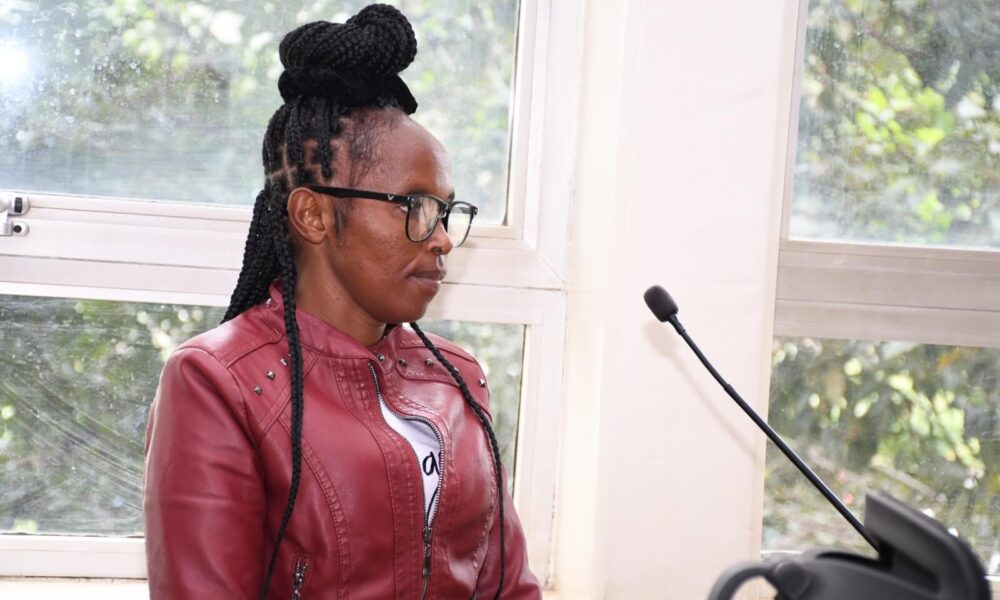
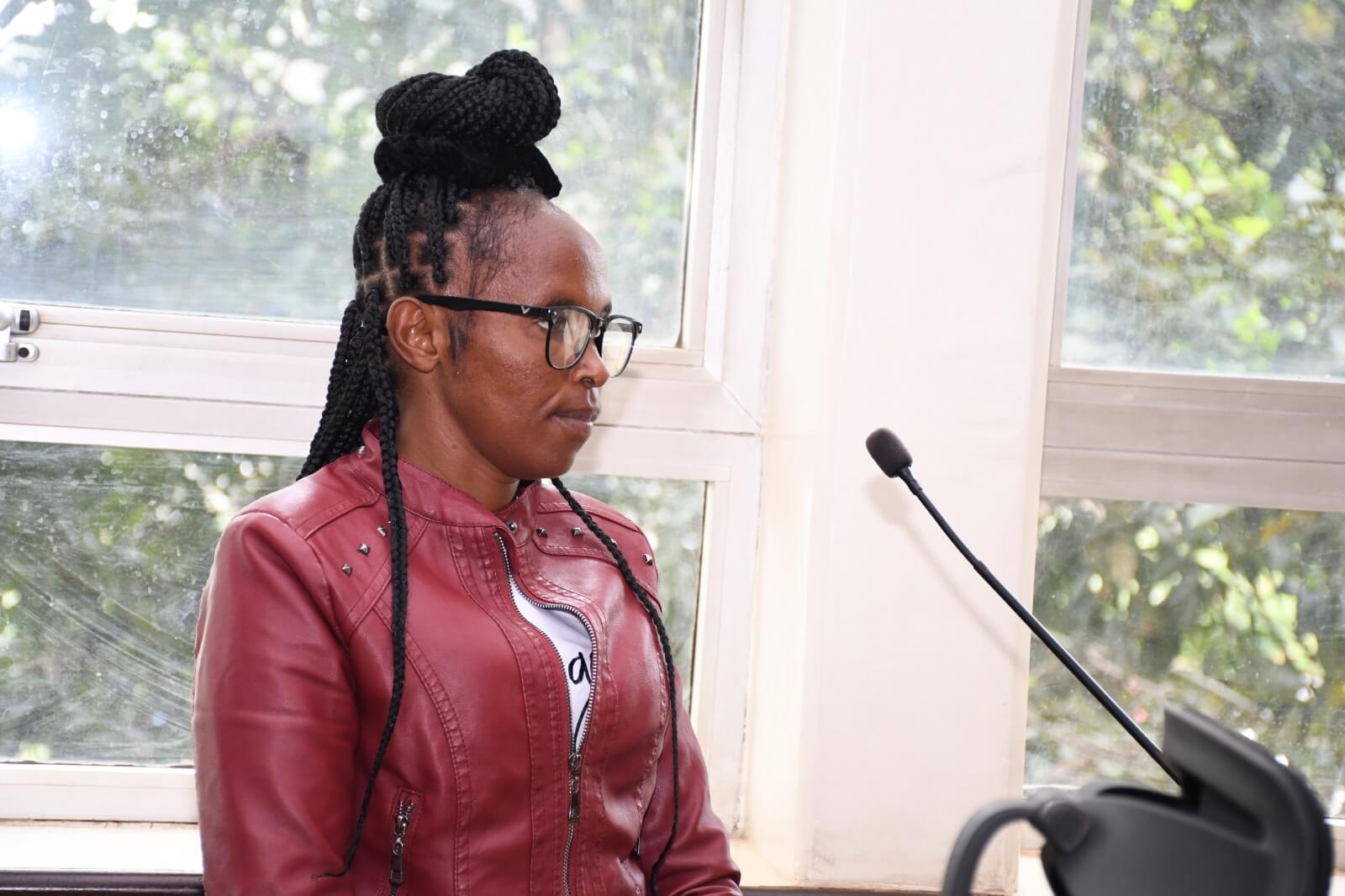
On Wednesday, Ms. Teresia Chepkemoi Chepkwony, a Revenue Collection Assistant at the company, was arraigned before the Milimani Anti-Corruption Court after investigations revealed she used a forged academic certificate to gain employment. This fraudulent act allowed her to earn salaries and benefits totaling Ksh 7.59 million, sparking outrage among Kenyans concerned about corruption in Nairobi public service.
How the Nairobi City Water Scandal Unfolded
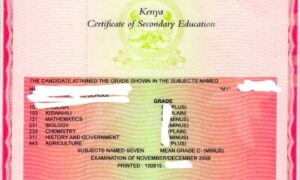
According to EACC investigations, Ms. Chepkwony submitted a counterfeit KCSE certificate, claiming it was a genuine document issued by the Kenya National Examinations Council (KNEC). This deception enabled her to join the Nairobi City Water and Sewerage Company, where she worked for years and unlawfully received millions of shillings in salaries and allowances.
Investigators established that her actions amounted to the fraudulent acquisition of public property, with taxpayers footing the bill for her illegally obtained earnings.
This Nairobi City Water scandal highlights how individuals exploit forged academic papers to infiltrate public institutions, denying genuine job seekers opportunities while eroding trust in Kenya’s recruitment systems.
The Charges
After concluding the probe, EACC Kenya handed over the file to the Office of the Director of Public Prosecutions (ODPP), which approved four charges against the accused. They include:
- Fraudulent acquisition of public property contrary to Section 45(1)(a) of the Anti-Corruption and Economic Crimes Act, 2003.
- Deceiving a principal contrary to Section 41(2) of the same Act.
- Forgery contrary to Section 345 as read with Section 349 of the Penal Code, Cap 63.
- Uttering a false document contrary to Section 44(b)(4) of the KNEC Act, 2012.
Each of these offenses carries severe penalties, including imprisonment and fines, if the accused is found guilty.
Court Proceedings at Milimani
Ms. Chepkwony was processed at the Integrity Centre Police Station before being arraigned in the Milimani Anti-Corruption Court. She pleaded not guilty to all charges.
The magistrate released her on a cash bail of Ksh 100,000 or an alternative bond of Ksh 500,000. The case will now proceed to full trial, with the prosecution expected to produce evidence linking her to the forged certificate and the fraudulent siphoning of public funds.
EACC’s Position on Fake Certificates in Kenya
In a strong statement, the EACC reiterated its commitment to tackling academic forgery in Kenya and restoring integrity in public institutions.
“EACC will continue to investigate and prosecute cases where individuals use fake KCSE certificates and forged academic papers to secure public service jobs. Such fraud denies deserving Kenyans opportunities and leads to massive financial losses,” the Commission stated.
Rising Cases of Academic Forgery in Kenya
The case is not isolated. Kenya has witnessed an increase in scandals where public officers, politicians, and job seekers present forged academic documents to obtain employment or promotions.
From county governments to state corporations, cases of fake KCSE certificates and degree forgeries have been reported, raising concerns over weak vetting systems in public service recruitment.
Analysts argue that unless strict verification mechanisms are enforced, such cases will persist, damaging Kenya’s education credibility and eroding public trust.
Why This Case Matters
The Nairobi City Water fake certificate scandal is significant because it underscores how loopholes in recruitment can allow fraudsters to infiltrate key public institutions.
If convicted, Ms. Chepkwony not only risks jail time but may also be forced to forfeit the Ksh 7.59 million she unlawfully acquired. The case will test how firmly Kenya’s judicial system can clamp down on corruption and fraud in the civil service.
What Kenyans Are Saying
Public reaction has been strong, with many Kenyans on social media calling for tougher penalties for individuals who use fake KCSE certificates in Kenya to obtain jobs. Others argue that employers like the Nairobi City Water and Sewerage Company must strengthen background checks to prevent similar scandals.
Conclusion
As the trial proceeds, Kenyans will be watching closely to see whether the courts set a strong precedent against academic fraud and corruption in Kenya’s public service.
For now, this case stands as a wake-up call to institutions across the country to tighten their recruitment processes and to job seekers that dishonesty could lead to prosecution, financial loss, and damaged reputations.