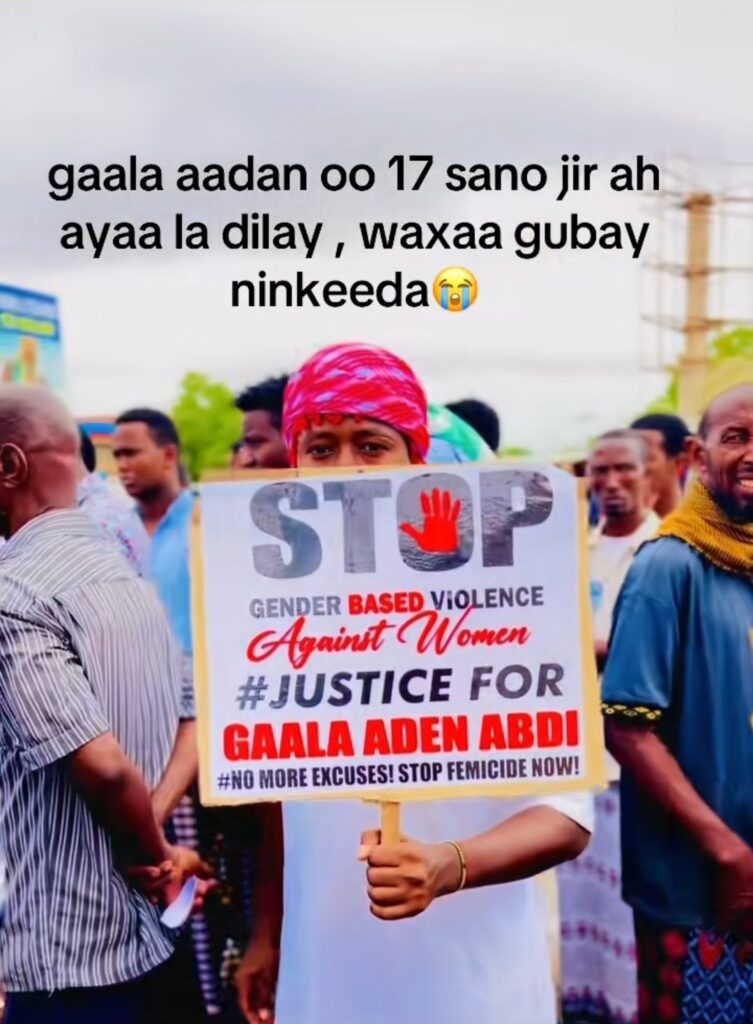
The brutal murder of 17-year-old Gaala Aden Abdi in Wajir County has shocked the nation, sparking outrage and demands for justice. The National Police Service (NPS) confirmed the arrest of three suspects, including the 55-year-old man she was forced to marry. The case highlights the grim reality of harmful cultural practices and the urgent need for systemic change.
A Tragic End for Gaala Aden Abdi
Gaala, a refugee from the Dagahley camp in Dadaab, was transported 150 kilometers at night to a remote village in Habaswein, Wajir, to meet her purported husband for the first time. When she refused the marriage, she was subjected to severe abuse, killed, and her body burned beyond recognition. An eyewitness told K47 News, “The man and his brothers killed her and set her body on fire.”
The National Police Service acted swiftly, arresting the three suspects, who are expected in court soon. In a press statement, NPS spokesperson Muchiri Nyaga expressed regret over the tragedy, urging Kenyans to “desist from harmful cultural practices and let children be children.”
Outrage and Calls for Justice
The murder has ignited fury across Kenya, with activists and organizations condemning the act. The Law Society of Kenya (LSK) and the National Gender and Equality Commission (NGEC) have demanded accountability. Faith Odhiambo, the LSK President, emphasized the need for legal action to protect minors from forced marriages and gender-based violence.
Gaala’s bravery in resisting the marriage—and her chilling final phone call, where she named her killers—has drawn national attention. NTV Kenya reported her as “a 17-year-old refugee who paid the ultimate price for saying no.”
The Fight Against Harmful Practices
This case underscores the persistent challenge of child marriages in parts of Kenya, particularly in marginalized communities. Despite laws against the practice, enforcement remains weak. The LSK and other human rights groups are pushing for stricter measures to protect vulnerable girls.
The National Police Service has vowed to ensure justice, but activists argue that long-term solutions require community education and stronger legal frameworks. As Kenyans mourn Gaala, her story has become a rallying cry against gender-based violence and archaic traditions.
What’s Next?
The suspects’ court appearance will be a critical test of Kenya’s justice system. Will Wajir County see a landmark ruling, or will this case fade into impunity? For now, the nation watches—and waits—for justice for Gaala.