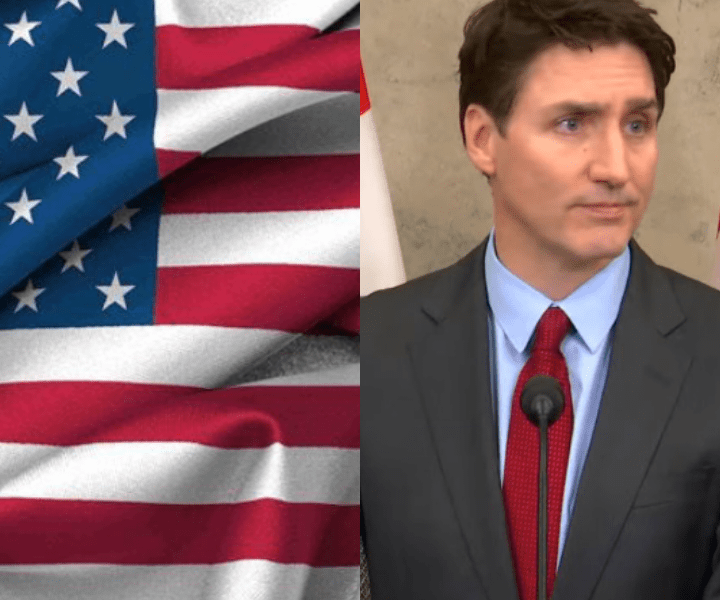
The longstanding trade relationship between the USA and Canada has taken a dramatic turn as both nations impose sweeping tariffs on each other’s goods, sparking fears of a full-blown trade war. The United States has confirmed plans to impose a 25% tariff on most Canadian goods, with an additional 10% tariff on energy products, effective February 4, 2025. In retaliation, Canada has announced a two-phase plan to impose 25% tariffs on $155 billion worth of American products, targeting key industries and escalating economic tensions between the two North American neighbors.
U.S. Tariffs on Canadian Goods: A Blow to Trade Relations
The U.S. decision to impose tariffs on Canadian goods has sent shockwaves through the trade community. The 25% tariffs will impact a wide range of Canadian exports, including manufactured goods, agricultural products, and more. The 10% tariff on energy products is particularly contentious, given the deep energy trade ties between the two nations. Canada is the largest supplier of oil and natural gas to the U.S., making this move a significant escalation.
Canadian Prime Minister Justin Trudeau expressed his disappointment, stating, “We did not want this, but Canada is prepared.” Trudeau has been actively engaging with international leaders, including plans to speak with Mexican President Claudia Sheinbaum, signaling a coordinated North American response to the U.S. tariffs. This move echoes the Trump tariff era, when the U.S. imposed tariffs on Canadian steel and aluminum, leading to a bitter trade dispute.
Canada’s Retaliatory Tariffs: A Strategic Strike
In response to the U.S. tariffs, Canada has unveiled a two-phase plan to impose 25% tariffs on 155billionworthofAmericangoods.Thefirstphase,settobeginimmediately,targets155billionworthofAmericangoods.Thefirstphase,settobeginimmediately,targets30 billion worth of products, including beer, wine, bourbon, fruits, vegetables, clothing, perfume, household appliances, plastic, and lumber. The second phase, scheduled to take effect in 21 days, will target an additional $125 billion worth of goods, further intensifying the economic standoff.
The selection of products for the tariffs is strategic, aiming to hit politically sensitive industries in the U.S. For instance, the inclusion of bourbon and agricultural products is designed to impact states with strong agricultural economies, many of which are key political battlegrounds. This approach mirrors the tactics used during the Trump tariff disputes, where Canada targeted products like whiskey and dairy to exert political pressure.
Public and Political Reactions: Tensions Spill Over
The escalating trade tensions have spilled over into public sentiment. During a recent hockey game in Ottawa, Canadian fans booed the U.S. national anthem, a stark display of growing frustration over the U.S. trade policies. This incident underscores the deepening rift between the two nations, both on and off the ice.
On the political front, Texas Governor Greg Abbott issued a stern warning to Canada. “Careful Trudeau. The Texas economy is larger than Canada’s. And we’re not afraid to use it,” Abbott tweeted. This statement highlights the potential for the trade dispute to escalate further, with individual U.S. states considering their own retaliatory measures. The involvement of states like Texas adds another layer of complexity to the conflict, as state-level actions could further strain U.S.-Canada relations.
Economic Implications: A Costly Standoff
The imposition of tariffs by both the USA and Canada is likely to have far-reaching economic consequences. For Canada, the U.S. tariffs could lead to reduced export revenues and potential job losses in industries reliant on the American market. The retaliatory tariffs on American goods may also result in higher prices for Canadian consumers, as the cost of imported goods rises.
For the United States, the tariffs on Canadian goods could disrupt supply chains and increase costs for American manufacturers that depend on Canadian imports. The retaliatory tariffs from Canada could also hurt U.S. exporters, particularly those in the agricultural and beverage sectors. The economic impact of a prolonged trade war could be severe, with potential ripple effects throughout the North American economy.
Historical Context: Echoes of the Trump Tariff Era
This is not the first time the USA and Canada have clashed over trade policies. The two nations have a long history of economic cooperation, but also periodic tensions. The current dispute bears striking similarities to the trade wars during the Trump tariff era, when the U.S. imposed tariffs on Canadian steel and aluminum, prompting retaliatory measures from Canada.
However, the scale of the current tariffs is unprecedented, raising concerns about a potential trade war that could have lasting consequences for both economies. The involvement of Mexico in coordinating a response with Canada adds another layer of complexity, as the three nations are closely linked through the United States-Mexico-Canada Agreement (USMCA).
Potential for Escalation: A Fragile Balance
The potential for further escalation in the trade dispute is significant. Both the USA and Canada have shown a willingness to impose tariffs, and the rhetoric from political leaders suggests that neither side is willing to back down easily. The involvement of individual U.S. states, such as Texas, adds another dimension to the conflict, as state-level actions could further complicate the situation.
The economic impact of a prolonged trade war could be devastating, with potential consequences for global trade and economic stability. The close economic ties between the USA and Canada mean that any disruption in trade could have far-reaching effects, not just for North America but for the global economy as well.
Conclusion: A Critical Moment for U.S.-Canada Relations
The imposition of tariffs by the USA and Canada marks a significant escalation in the trade dispute between the two nations. The economic and political implications of these tariffs are profound, with potential consequences for industries, consumers, and the broader economy. As both countries prepare for the implementation of these tariffs, the potential for further escalation remains high, raising concerns about the future of U.S.-Canada trade relations.
In the coming weeks, the focus will be on how both nations navigate this challenging situation and whether they can find a path to de-escalation. The involvement of Mexico and the potential for state-level actions in the U.S. add further complexity to the dispute, making it a critical issue to watch in the global economic landscape. The stakes are high, and the world is watching as the USA vs Canada trade war unfolds.