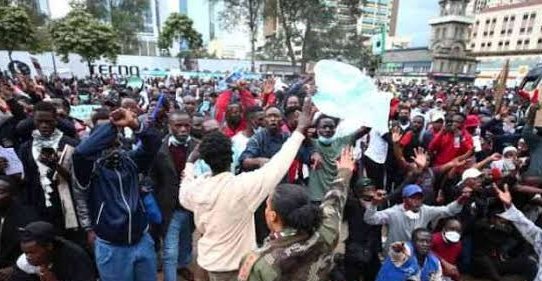
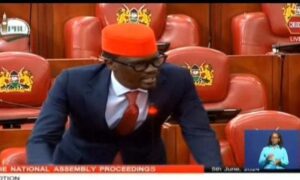
In a surprising turn of events, MP Didmus Barasa, who has positioned himself as a leader for the Gen Z movement in Kenya, has announced the suspension of the protests scheduled for Tuesday. This announcement was made public in a statement obtained by K47 Digital News. The move comes after what Barasa described as “thorough consultations” and aims to open a dialogue with President William Samoei Ruto.
A Call for Engagement.
Didmus Barasa’s statement emphasized the need for engagement over confrontation. He declared, “As the defacto Leader of Gen Z original (wale tuliibiwa masimu wakati wa maandamano), and after thorough consultations I want to declare that all planned demonstrations for tomorrow are hereby SUSPENDED till further notice to give room for engagement with our PRESIDENT William Samoei Ruto.” This decision marks a significant shift in the strategy of the Gen Z original faction, highlighting a preference for dialogue over protests.
The Gen Z movement, primarily composed of younger Kenyans, has been vocal about various socio-economic issues affecting them, including unemployment, economic instability, and political disenfranchisement. Barasa’s decision to suspend the protests is seen as an attempt to create a more conducive environment for addressing these grievances directly with the nation’s leadership.
Criticism of Rival Factions.
In his statement, Barasa also took the opportunity to criticize a rival faction led by Babu Owino, another prominent figure in the Gen Z movement. He accused Owino’s faction of being opportunists and anarchists, stating, “I also want to declare the other Gen Z wing led by Babu Owino are opportunists, anarchists and self seekers that should be ignored by all means. #NoOccupy.” This strong language underscores the divisions within the Gen Z movement, as different leaders vie for influence and legitimacy.
Babu Owino’s faction has been known for its more aggressive stance, often leading to confrontations with law enforcement during protests. The contrasting approaches between Barasa and Owino highlight the challenges within the movement to maintain a unified front while addressing the diverse concerns of its members.
Political Implications.
The suspension of the protests is likely to have significant political implications. By choosing to engage with President Ruto, Barasa is positioning himself as a pragmatic leader willing to work within the system to achieve his goals. This move could garner support from those within the Gen Z movement who are weary of constant protests and are seeking tangible results through dialogue.
However, this decision may also be met with skepticism from those who feel that protests are a necessary tool to pressure the government into action. The coming days will be crucial in determining how this strategy plays out and whether it leads to meaningful engagement with the government.
Public Reaction.
Public reaction to Barasa’s announcement has been mixed. Some have praised his decision to prioritize dialogue, viewing it as a mature and strategic move. Others, however, have expressed disappointment, fearing that suspending the protests might diminish the momentum of the movement.
Social media has been abuzz with discussions, with the hashtag #NoOccupy trending as people debate the merits of Barasa’s decision. Supporters of Babu Owino have been particularly vocal, criticizing Barasa for what they see as a betrayal of the movement’s core principles.
Future of the Gen Z Movement.
The future of the Gen Z movement in Kenya remains uncertain. Barasa’s decision to suspend the protests could either lead to a productive engagement with the government or result in further fragmentation within the movement. The key will be how President Ruto responds to this olive branch and whether concrete steps are taken to address the issues raised by the Gen Z leaders.
As the situation develops, all eyes will be on the interactions between the Gen Z leaders and the government. The outcome of these engagements will likely shape the direction of the movement and its impact on Kenyan politics in the months and years to come.