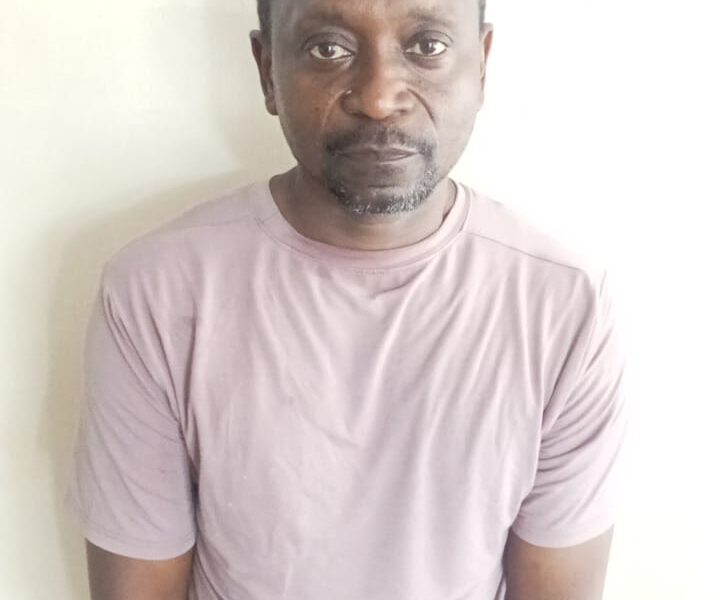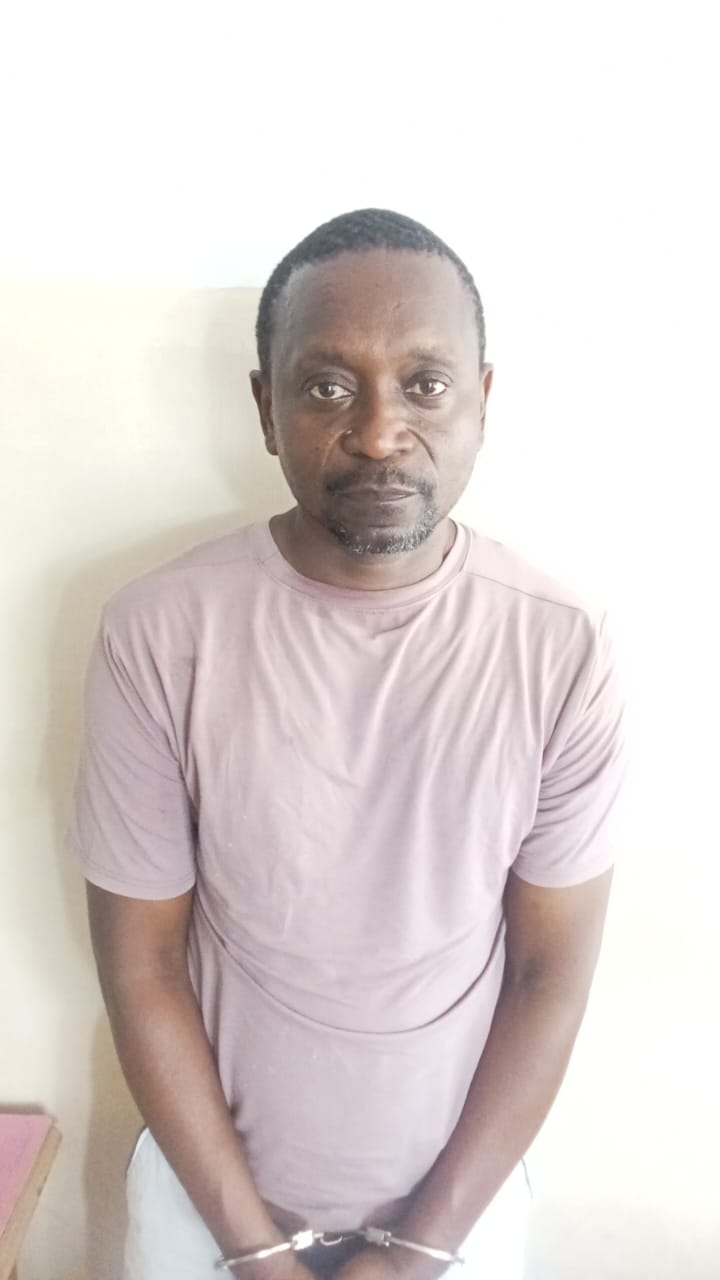
Residents of Bakarani in Kisauni Sub-County, Mombasa County, were left stunned after detectives from the Transnational Organised Crime Unit (TOCU) executed a successful sting operation that led to the arrest of a suspected drug peddler.
The operation, carried out after a series of intelligence reports, targeted the residence of 45-year-old Abdalla Said Omar, who is believed to be a key link in the distribution of narcotics within the coastal region.
Heroin and Digital Scales Seized in Raid
During the raid, detectives recovered 300 grammes of heroin, carefully concealed in red and green carrier bags. Each package was tightly wrapped in clear cellotape, a method often used by traffickers to avoid detection and preserve the narcotics during transportation.
Authorities also seized two digital weighing scales, strongly believed to have been used in measuring and packaging the drugs into smaller quantities for street-level distribution. According to investigators, the items provide critical evidence that Omar was actively engaged in the illegal drug trade in Mombasa.
The suspect is currently being held at Mjambere Police Station as investigations continue. Police confirmed that once the probe is complete, Omar will be arraigned in court to face charges of drug trafficking, possession of narcotics, and intent to distribute.
Kisauni: A Hotspot for Drug Trafficking in Kenya
Kisauni Sub-County has for years been on the radar of security agencies due to its history of drug abuse and trafficking activities. The coastal town of Mombasa has often been described as a major entry and transit point for narcotics, particularly heroin, due to its busy port and proximity to international waters.
Anti-narcotics officers have long warned that drug cartels use Mombasa as a gateway for smuggling heroin and cocaine into the country before distributing them locally and regionally. The problem has contributed to rising addiction among youth, increased crime rates, and long-term health crises in communities along the Kenyan coast.
The latest arrest reinforces the government’s commitment to dismantling these networks and curbing the spread of narcotics in Kenya.
Government’s War on Drugs
Kenya has in recent years intensified its war on drugs, targeting both high-profile traffickers and street-level peddlers. The government, through agencies like the Anti-Narcotics Unit (ANU) and TOCU, has been conducting coordinated operations to disrupt supply chains that fuel drug abuse.
Interior Ministry officials have repeatedly stressed that the battle against narcotics is not only a law enforcement issue but also a public health and social challenge. Hard drugs such as heroin have been blamed for destroying the lives of thousands of young people in Mombasa, Kilifi, Kwale, and Lamu counties.
The Ministry has also partnered with local leaders, religious organizations, and rehabilitation centers to create awareness on the dangers of drug abuse. Rehabilitation programs are being strengthened to ensure that addicts receive treatment and reintegration support instead of facing jail alone.
Community Reaction
Residents of Kisauni have welcomed the arrest, describing it as a relief for families that have witnessed first-hand the devastating impact of drugs on their children. Many locals have urged detectives to extend the crackdown to smaller dealers who continue to prey on vulnerable youth, especially school-going children.
“We are happy that the police are serious about this fight. Drugs have ruined so many lives here. It is time traffickers faced the law,” said a resident in Bakarani.
The Bigger Picture: Narcotics Trade in East Africa
Kenya’s geographical position makes it a key route for international drug traffickers. According to past reports by the United Nations Office on Drugs and Crime (UNODC), East Africa has increasingly become a transit hub for heroin shipments from Afghanistan destined for Europe.
Mombasa’s strategic location and busy port facilities make it vulnerable to exploitation by cartels. Over the past decade, multiple large consignments of heroin have been intercepted in Mombasa waters, proving that drug barons view the region as a gateway to global markets.
Authorities believe that dismantling local supply networks, such as the one Omar is suspected to be part of, is crucial in weakening the global narcotics chain.
What Next for the Suspect?
As Omar awaits arraignment, detectives are piecing together more intelligence to establish his possible links to larger drug networks. If convicted, he could face long jail terms and heavy fines under Kenya’s Narcotic Drugs and Psychotropic Substances Control Act.
Police have assured the public that the operation is part of a broader effort to ensure that drug peddlers in Kenya are dealt with decisively. The arrest is expected to serve as a strong deterrent to others engaged in the illegal trade.
Call for Public Support
The Directorate of Criminal Investigations (DCI) continues to appeal to Kenyans to volunteer information that can help in the war against drugs. Authorities say the community plays a crucial role in identifying suspects, safe houses, and distribution points that are often hidden in plain sight.
As Kenya strengthens its anti-narcotics operations, cases like Omar’s highlight both the progress being made and the challenges that remain. The government maintains that the ultimate goal is to eliminate the circulation of narcotics, safeguard the youth, and secure the country’s future.