Introduction
Google’s December 2024 Spam Update has sparked widespread discussion and concern across the SEO community. Launched six days ago and still rolling out, this update follows the March 2024 core update, which significantly reshaped search results. Many website owners, particularly those managing smaller sites, are witnessing major fluctuations in their traffic metrics.
In this article, we’ll break down everything we know so far about the December 2024 Google Spam Update, how it compares to the March update, and what it means for website owners and digital marketers.
Understanding the Google Spam Update (December 2024)
Google’s December 2024 Spam Update is the third major spam-focused update of the year. While details remain limited, the early signs suggest a stronger focus on refining Google’s ability to detect and penalize low-quality content and manipulative SEO practices.
Key Observations So Far:
- Traffic Impact on Established Sites: High-authority websites have reported significant drops in traffic.
- Recovery for Smaller Sites: Many smaller websites that suffered under the March core update are now showing signs of recovery.
- Algorithm Adjustments: Google seems to be targeting a more granular level of spam detection, particularly around link manipulation, AI-generated low-value content, and excessive keyword stuffing.
Looking Back: Google’s March 2024 Core Update
To understand the December update, we need to revisit the March 2024 core update. This was a landmark change in Google’s approach to search quality.
Key Changes Introduced in March 2024:
- Focus on Low-Quality Content: Google aimed to reduce unhelpful and repetitive content by approximately 40% but exceeded expectations with a 45% reduction.
- New Spam Policies: Policies were introduced to tackle manipulative practices such as:
- Cloaking content
- Keyword stuffing
- Misleading redirects
- Content Originality: Emphasis was placed on original, human-created content over AI-generated spam.
While the March update hit many small websites hard, the December spam update seems to be reversing some of those effects.
Why the December Spam Update Matters
Google’s timing for this spam update—just ahead of the holiday season—is strategic. The holiday season typically sees a spike in search activity, making it a prime target for spammy content and black-hat SEO practices.
The Goals of the December Spam Update:
- Refining Spam Detection Algorithms: Google is likely using improved AI models to detect patterns of spam more efficiently.
- Boosting Content Quality: Ensuring search results are filled with genuinely helpful content during the peak shopping season.
- Preventing Manipulative Practices: Targeting aggressive affiliate links, AI-generated filler content, and other common spam tactics.
SEO Community Reactions
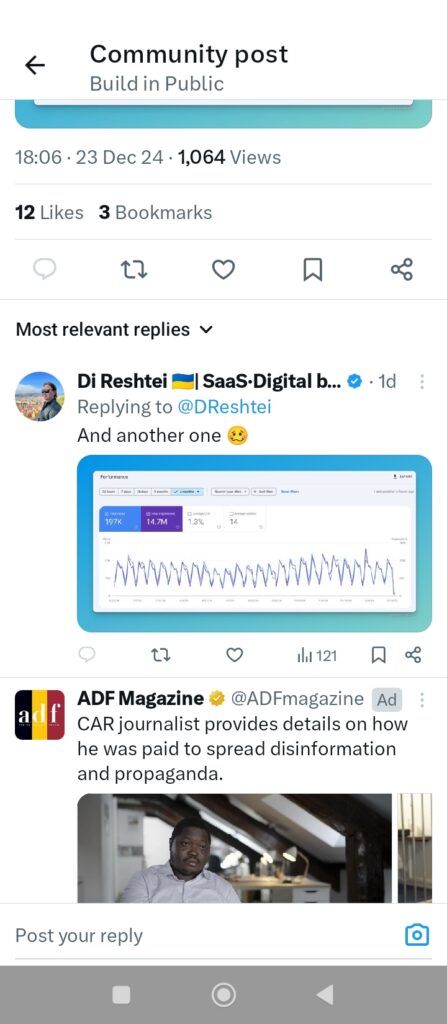
The SEO community is buzzing with reactions and concerns regarding the December 2024 Spam Update. Many site owners have taken to forums like Reddit to share their experiences:
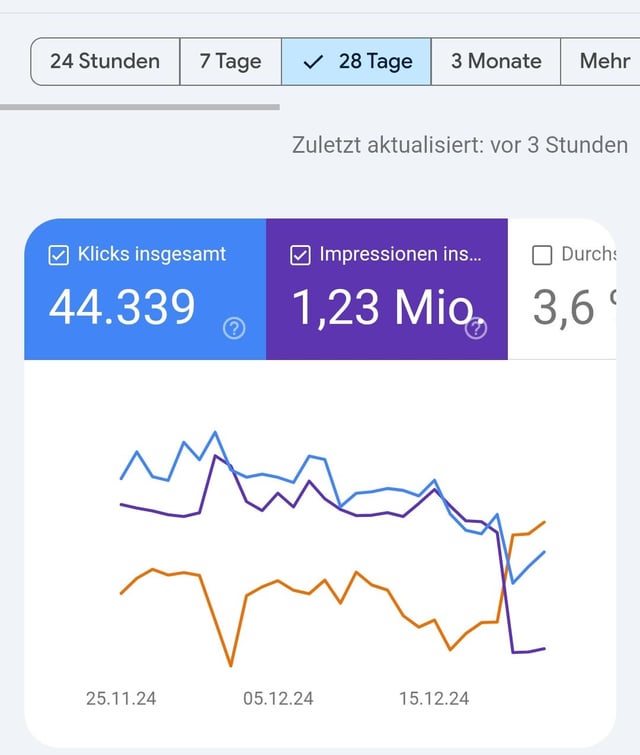
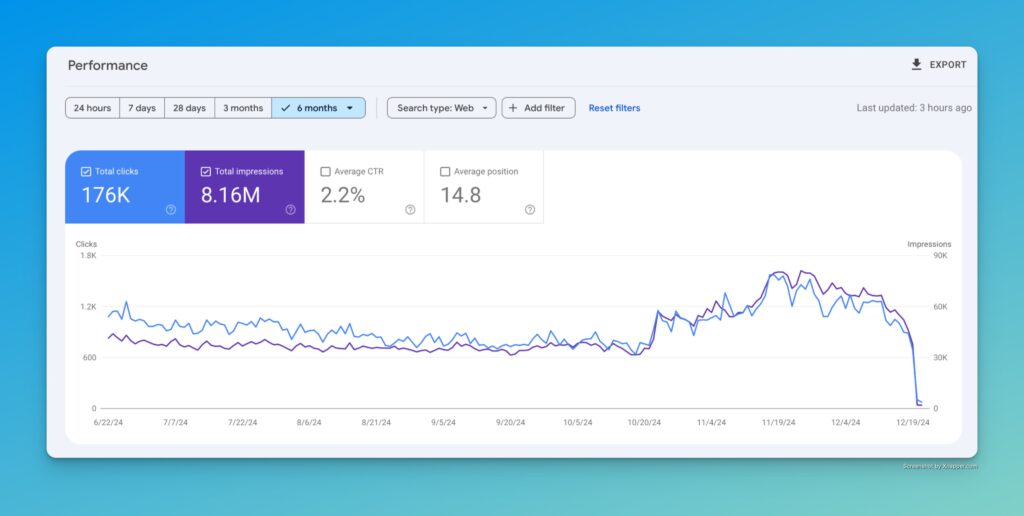
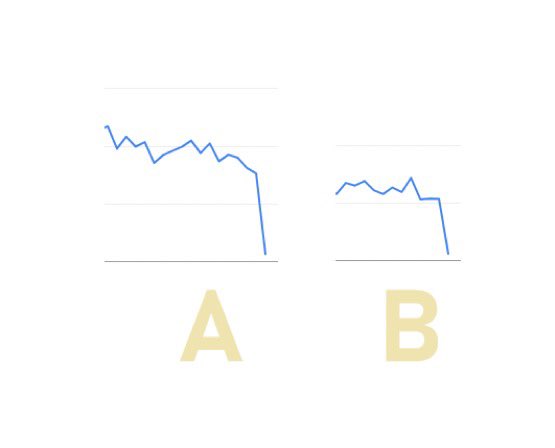
“Hello everyone, my daily impressions have gone down from 45-50k to just 4-5k in the Google Search Console. Did I get hit by the Google spam update? Or are there problems with the GSC at the moment?”
This quote paints a clear picture, the confusion and frustration among website owners as they come to term with sudden traffic drops.
Winners and Losers: Initial Trends
Winners:
- Smaller niche websites with original, high-quality content.
- Websites that recovered from penalties after the March core update.
Losers:
- Large authority sites relying heavily on programmatically generated content.
- Sites using aggressive backlinking strategies or spammy SEO tactics.
While it’s still early to declare definitive winners and losers, these trends are becoming clearer as the update continues to roll out.
How to Protect Your Website from Future Spam Updates
SEO professionals and website owners can take actionable steps to safeguard their sites from being penalized in future spam updates:
- Focus on Content Quality: Ensure all content is helpful, unique, and human-centered.
- Avoid Spammy Backlinks: Build natural, high-quality backlinks instead of relying on automated link-building schemes.
- Monitor SEO Practices: Regularly audit your SEO strategies for compliance with Google’s latest guidelines.
- Stay Updated with Algorithm Changes: Follow reputable sources for updates on Google’s algorithm changes.
What Google Wants from Your Content:
- Originality: Avoid duplicate or scraped content.
- Value Addition: Provide real value to your audience.
- Transparency: Avoid misleading titles or clickbait without substance.
Is Your Site Affected? Here’s What to Do
If you’ve noticed a sudden drop in your search traffic:
- Check Google Search Console: Look for any manual actions or penalties.
- Audit Your Content: Identify thin, repetitive, or AI-generated content.
- Evaluate Backlinks: any suspicious or spammy backlinks.
- Update Old Content: Refresh older articles with relevant, updated information.
What’s Next for the December Spam Update?
The update is still rolling out, and Google has not provided an official timeline for completion. However, based on past trends, we can expect:
- A Detailed Announcement: Google will likely release an official statement summarizing the results of this update.
- Continued Fluctuations: Traffic and rankings may continue to fluctuate for weeks after the initial rollout.
Final Thoughts
The December 2024 Google Spam Update highlights the search giant’s continued focus on refining its algorithms to prioritize quality content over manipulative SEO tactics. While some websites are experiencing sharp traffic drops, others—particularly smaller, high-quality sites—are seeing long-awaited recoveries.
For website owners and SEO professionals, the takeaway is clear: prioritize genuine, helpful, and user-focused content.
Stay updated, stay compliant, and stay valuable.
FAQs About the December 2024 Spam Update
1. What is the main focus of the December Spam Update?
It aims to refine spam detection algorithms and penalize low-quality or manipulative content.
2. Why are established sites being hit harder this time?
Google seems to be targeting large sites that rely heavily on automated or low-value content.
3. How can I recover if my site was affected?
Focus on content quality, audit backlinks, and ensure compliance with Google’s spam policies.
4. When will the update finish rolling out?
Google has not announced a specific timeline, but updates typically take 2-3 weeks to fully roll out.
By understanding these updates and adapting SEO strategies accordingly, website owners can minimize the risks of traffic drops and build sustainable, long-term success in search rankings.