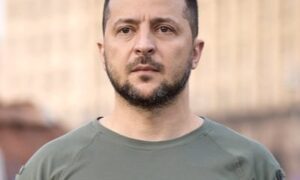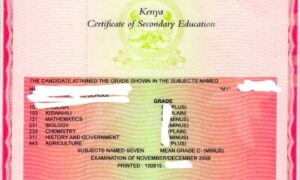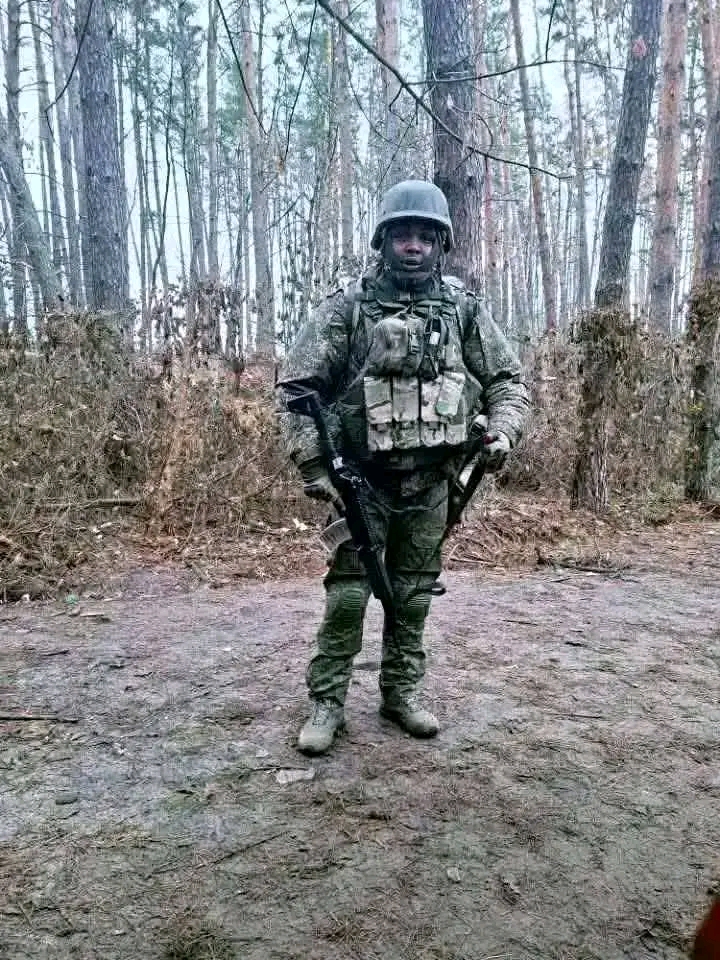
The family of Charles Waithaka gathered in sorrow in Nyeri County to bid farewell to a son whose body never made it home. In a heartbreaking turn of events, Waithaka—who had traveled to Russia in search of greener pastures—lost his life while fighting in the ongoing Ukraine war. After weeks of unsuccessful efforts to repatriate his remains from Russia, his family was forced to hold a symbolic burial ceremony without his body present.
Waithaka, 31, reportedly died on December 25, 2025, after being recruited into the Russian army. What was meant to be a journey toward better economic opportunities ended in tragedy, leaving his loved ones devastated and grappling with unanswered questions.
A Dream for a Better Life
According to family members, Charles Waithaka left Nyeri with high hopes of securing stable employment abroad. Like many young Kenyans facing limited local opportunities, he believed working overseas would provide financial stability and a brighter future for himself and his family.
Friends describe him as ambitious and hardworking, determined to improve his circumstances. However, once in Russia, circumstances reportedly changed dramatically. Instead of the civilian job he had anticipated, Waithaka found himself recruited into the Russian military amid the intensifying conflict in Ukraine.
Details surrounding his recruitment remain unclear, but his death has sparked conversations about the risks faced by Africans and other foreign nationals who travel abroad in search of employment, only to find themselves in dangerous or exploitative situations.
Death in the Ukraine War
The Ukraine war, which has drawn international attention and caused widespread devastation, continues to claim lives from across the globe. Waithaka’s passing on Christmas Day added a painful layer to his family’s grief, turning what should have been a day of celebration into one of permanent mourning.
The family reportedly received confirmation of his death weeks later. Efforts were immediately launched to have his body returned to Kenya for a proper burial in accordance with cultural traditions. However, logistical, diplomatic, and bureaucratic hurdles made repatriation impossible.
Despite attempts to coordinate with authorities and explore available channels, the family was informed that retrieving his remains from Russia had proven futile.
A Burial Without a Body
Unable to bring him home physically, Waithaka’s family organized a symbolic burial ceremony in Nyeri. The event was marked by profound emotion and solemnity as relatives, friends, and community members gathered to pay their respects.
In place of a coffin, a framed portrait of Charles Waithaka was positioned at the center of the ceremony. The image, showing him in brighter times, became the focal point of collective grief. Mourners filed past the portrait, offering prayers, laying flowers, and sharing memories of the man they had lost.
Thirty-one candles were lit to symbolize his age at the time of his death. The flickering flames represented both the fragility of life and the light he had brought to those who knew him. For many in attendance, the symbolism provided a small measure of closure in an otherwise incomplete farewell.
The family also prepared a special spot where a symbolic grave was dug. Though empty, it now stands as a place of remembrance—a physical space where loved ones can visit, reflect, and honor his memory.
Community in Mourning
The tragedy has deeply affected the Nyeri community. Neighbors described Waithaka as respectful and kind, someone who maintained strong ties with home even after traveling abroad. His story has resonated widely, highlighting the emotional and social toll of migration under uncertain conditions.
Community leaders who attended the ceremony called for greater awareness of the risks associated with seeking employment in conflict-prone regions. They emphasized the need for proper documentation, verified job contracts, and consultation with Kenyan authorities before relocating abroad.
Waithaka’s death has also ignited conversations on social media, with many expressing sympathy for the family and urging stronger government intervention in cases involving Kenyans abroad. Others have raised broader concerns about the vulnerability of young Africans lured by promises of lucrative opportunities overseas.
The Emotional Toll on Family
For Waithaka’s immediate family, the pain of burying a loved one without a body has been overwhelming. Cultural and spiritual traditions often emphasize the importance of a proper burial with the physical presence of the deceased. The absence of his remains has made the grieving process even more difficult.
Family members described the symbolic burial as both necessary and agonizing. While it offered a sense of ritual closure, it also served as a stark reminder that their son and brother was gone in circumstances far from home.
“We wanted to lay him to rest with dignity,” one relative shared during the ceremony. “Even if we could not bring him home physically, we needed to honor him.”
A Cautionary Tale
The story of Charles Waithaka underscores the complex realities of global migration and the risks tied to conflict zones. As the Ukraine war continues, stories of foreign nationals caught in its crossfire reveal the far-reaching impact of geopolitical tensions.
Experts note that individuals traveling abroad for work should thoroughly verify recruitment agencies and employment offers. Governments and labor organizations have repeatedly cautioned citizens against accepting vague or high-risk contracts, particularly in countries experiencing instability or war.
Waithaka’s case stands as a sobering reminder of the unpredictable paths migration can take. What begins as a hopeful pursuit of economic advancement can sometimes lead to unforeseen and tragic outcomes.
Remembering Charles Waithaka
As the candles burned low at the symbolic gravesite in Nyeri, mourners reflected on Waithaka’s life rather than solely his death. They spoke of his dreams, his laughter, and his determination to succeed.
Though his body rests thousands of miles away, his memory remains firmly rooted in his hometown. The portrait displayed at his burial now occupies a special place in his family’s home—a constant reminder of a life cut short.
The empty grave in Nyeri may not hold his physical remains, but it carries the weight of love, loss, and remembrance. For the Waithaka family, it is a sacred place where they can say goodbye, even in absence.
As the community continues to mourn, Charles Waithaka’s story serves both as a tribute to his life and as a cautionary tale for others seeking opportunity abroad. His journey, marked by hope and ended in heartbreak, will not soon be forgotten.