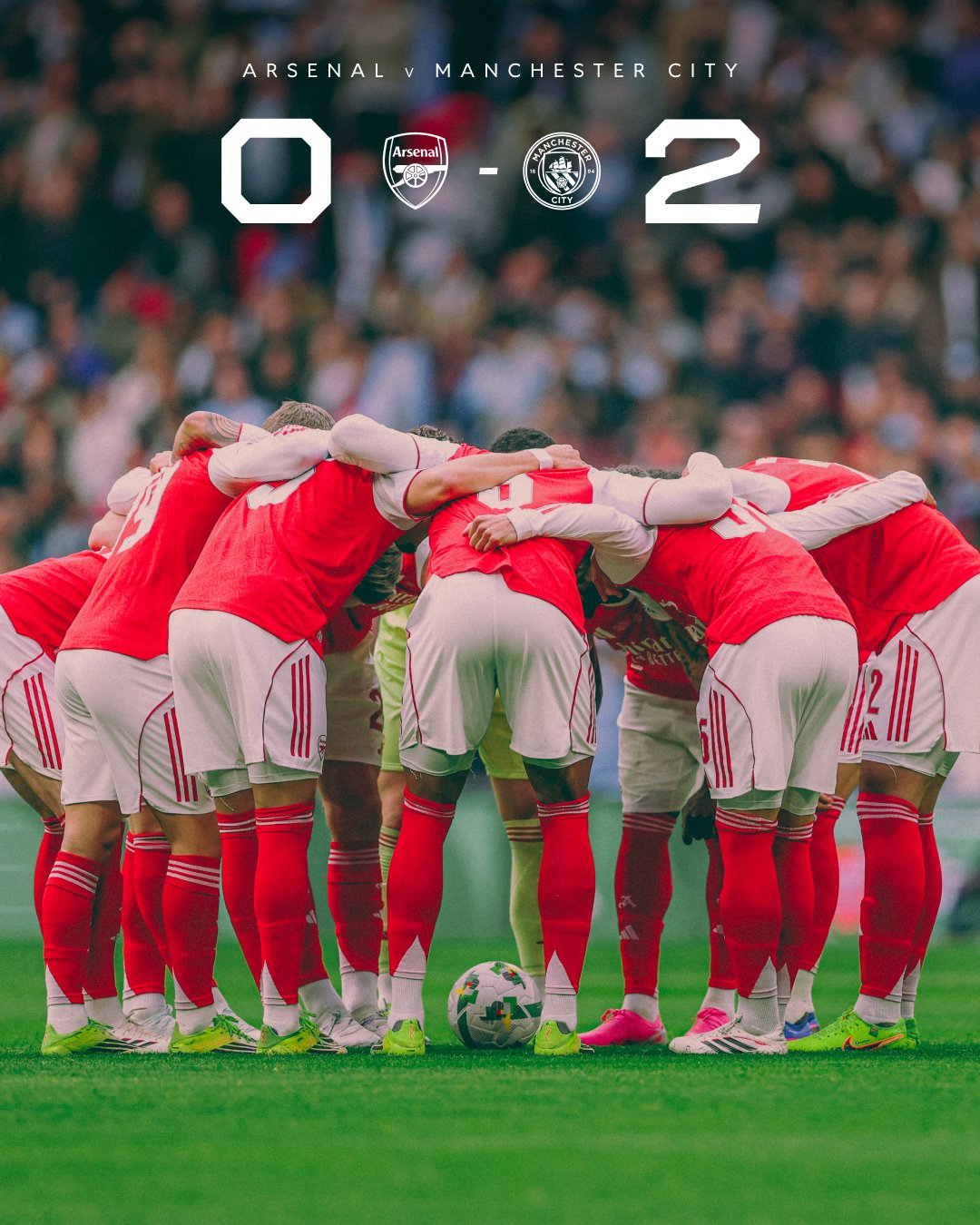
In the immediate aftermath of the Carabao Cup Final defeat, stood firm in his decision-making—refusing to blame his goalkeeper despite a performance that ultimately contributed to losing 2-0 to .
The Arsenal boss delivered a defiant and emotionally charged post-match interview, insisting he would make the same choice again, even as criticism mounted over his selection of in such a high-stakes match.
Arteta stands by his goalkeeper
Speaking after the defeat, Arteta made it clear he had no regrets about starting Kepa ahead of first-choice goalkeeper .
“No, I would do it again. He deserves to play this game, and he has been phenomenal for us. Errors are a part of football, and anyone can make them.”
Those words quickly became the defining quote of the night—a strong show of loyalty in the face of growing scrutiny.
The decision to start Kepa had been questioned even before kickoff, but it came under intense spotlight after the Spaniard’s costly mistake led directly to Manchester City’s opening goal.
What went wrong for Arsenal?
The final at Wembley began as a tightly contested encounter, with both sides showing caution in the first half. looked organized and competitive, matching in intensity.
However, the match shifted dramatically after the break.
Young City talent emerged as the difference-maker, scoring twice in quick succession to secure a 2-0 victory.
The first goal proved especially damaging. A misjudgment from allowed a simple finish, handing City the momentum. From that moment, Arsenal struggled to regain control of the game.
City’s confidence grew, and their ability to manage the tempo in the latter stages effectively shut Arsenal out.
The goalkeeper debate intensifies
Arteta’s decision to rotate his goalkeeper throughout the Carabao Cup campaign had been consistent. featured regularly in earlier rounds, playing a key role in Arsenal’s journey to the final.
The manager emphasized fairness as the primary reason behind his selection, believing it would have been unjust to drop Kepa for the biggest game after his contributions.
However, critics have questioned whether sentiment should outweigh strategy in a final. Many believe , as the club’s first-choice goalkeeper, should have started.
The debate highlights a broader issue in modern football—balancing squad rotation with the need to field the strongest possible team in decisive moments.
A painful end to a quadruple dream
The defeat marked a significant setback for ’s ambitions this season.
Heading into the final, the club was still in contention for multiple trophies, raising hopes of a historic campaign. The loss at Wembley, however, brought those ambitions down to earth.
Despite the disappointment, Arsenal remain competitive in other competitions, including the league and European tournaments.
Arteta will now need to ensure that the emotional impact of the defeat does not derail their broader objectives.
Arteta’s full interview: Key takeaways
Loyalty over blame
The standout theme from Arteta’s interview was his unwavering support for .
Rather than isolating the goalkeeper’s mistake, Arteta framed the loss as a collective failure. He emphasized that errors are part of football and that no single player should bear the burden alone.
This approach reflects his leadership philosophy—prioritizing unity and trust within the squad.
Acknowledging the pain
While defending his players, openly admitted the defeat was painful.
Losing a final always carries emotional weight, and for a team aiming to establish itself among Europe’s elite, the result was a major disappointment.
The manager stressed the importance of processing the loss while maintaining focus on upcoming challenges.
Using defeat as motivation
Arteta also highlighted the potential for the defeat to serve as motivation.
He suggested that the disappointment could ignite a stronger response from the team, using the phrase “fire in the belly” to describe the mindset he expects moving forward.
This mentality will be crucial as Arsenal continue their pursuit of success in other competitions.
Admitting City were better
Despite his loyalty to his squad, Arteta acknowledged that were the better team on the day.
City’s composure, tactical discipline, and clinical finishing made the difference. Their ability to capitalize on key moments ultimately decided the outcome.
Guardiola’s reaction: Calm dominance
On the opposing side, expressed satisfaction with his team’s performance.
Under Guardiola’s guidance, have developed a reputation for delivering in high-pressure situations, and this final was no exception.
The victory added another trophy to their collection and reinforced their status as one of the most dominant teams in English football.
Tactical analysis: Where Arsenal fell short
Lack of control in midfield
struggled to control the midfield, particularly in the absence of key creative influences.
Without consistent ball progression, they found it difficult to sustain attacking pressure.
Missed opportunities
In the first half, Arsenal created several promising situations but failed to convert them into goals.
Players like and were unable to make their chances count, a factor that proved costly as the game unfolded.
Defensive vulnerabilities
While the goalkeeper’s error was pivotal, defensive organization as a whole came under scrutiny.
exploited gaps effectively, applying sustained pressure that Arsenal could not withstand after conceding.
The Kepa storyline: Pressure returns
For , the match represents another challenging moment in a career often marked by intense scrutiny.
The goalkeeper has faced criticism in the past, and this latest error is likely to reignite debates about his reliability in crucial fixtures.
However, Arteta’s public backing could play a key role in restoring his confidence.
Fan reaction and media criticism
The reaction from fans and pundits has been swift and, at times, harsh.
Much of the criticism has focused on:
- Team selection decisions
- The choice to start
- Arsenal’s overall performance in a high-pressure final
Some observers have suggested that the team’s relative lack of experience in major finals may have contributed to the result.
Bigger picture: Crisis or minor setback?
Despite the disappointment, it would be premature to describe this as a crisis for .
There are several reasons for optimism:
- Strong performances throughout the season
- Continued competitiveness in multiple competitions
- A squad capable of learning and improving
One defeat, even in a final, does not erase the progress made under .
Arteta’s leadership under the microscope
This moment will, however, test Arteta’s leadership.
Key questions moving forward include:
- Will he continue rotating goalkeepers in critical matches?
- How will he manage player confidence after such a setback?
- Can the team respond positively in upcoming fixtures?
His decision to publicly support his goalkeeper suggests a commitment to long-term stability over short-term reactions.
What’s next for Arsenal?
The focus now shifts to the remainder of the season.
must quickly regroup and maintain momentum in their ongoing campaigns.
The ability to respond to this setback will define their season.
Conclusion: Defiance in defeat
’s post-match interview was not about excuses—it was about conviction.
By standing firmly behind , he sent a clear message about trust, unity, and resilience.
Mistakes are part of football, but how a team responds to them defines its character.
For , this defeat could either linger as a painful memory or serve as the catalyst for future success.
The next chapter will reveal which path they take.