Historic US–Kenya Health Pact Sets New Course for Healthcare Financing and Delivery
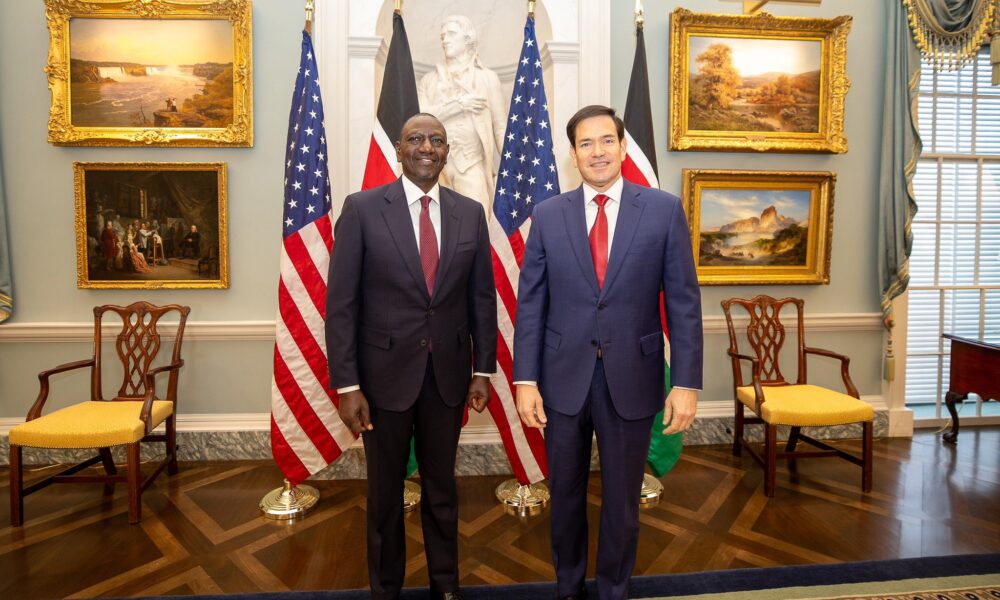
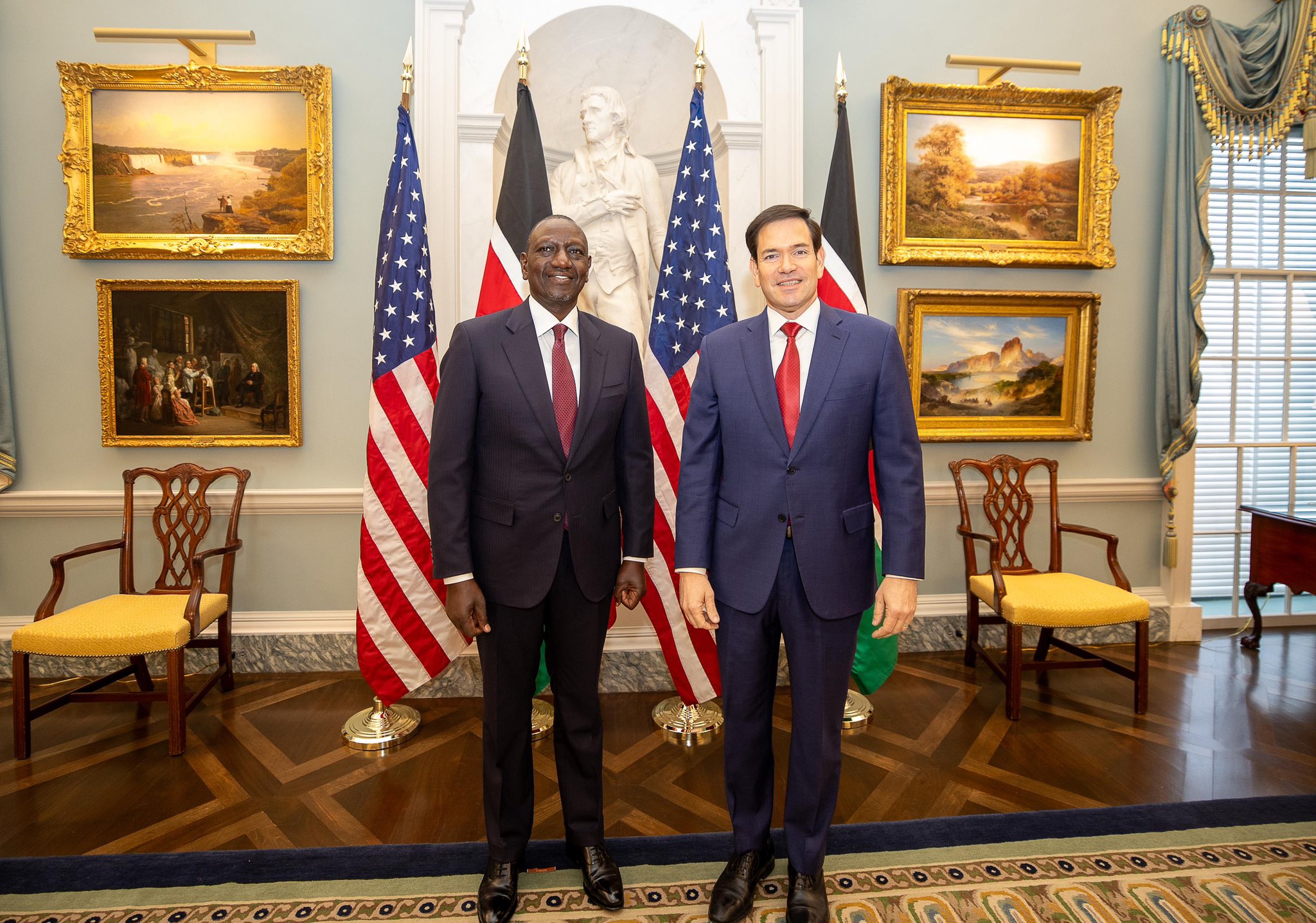
In a landmark agreement signed on 4 December 2025, Kenya and the United States committed to a five-year health cooperation deal worth US $1.6 billion (approximately KSh 208 billion) — a transformative infusion of funds aimed at revolutionizing Kenya’s health sector. This deal makes Kenya the first African nation to benefit from the US’s new “government-to-government” (G2G) funding model, replacing the older donor–civil society mediated channel that has characterized foreign health aid for decades.
The agreement signifies a dramatic shift: Instead of channeling funds through non-state intermediaries, resources will now flow directly to Kenyan government institutions and public health systems — most notably the (SHA), alongside other key public health agencies. With this move, Kenya asserts stronger sovereignty over its health systems, promising greater efficiency, accountability, and direct impact on delivery of services to citizens.
In announcing the agreement, US officials lauded Kenya’s health delivery architecture — with SHA at its core — as a model of innovation and sustainability, signaling strong confidence in the government’s ongoing reforms.
Why SHA Is Now at the Center of Kenya’s Health Vision
The SHA, long envisioned as a cornerstone for universal health coverage (UHC) in Kenya, is now being elevated as the primary vehicle for delivering subsidized, equitable health services across the country. Under the new framework, SHA along with institutions such as the (KEMSA), the (DHA), and the (NPHI) will receive direct funding — eliminating the middlemen in donor-supported health services.
This marks a departure from traditional practices where many foreign-donor grants and aid programs in Kenya were implemented via non-governmental organizations or civil-society organizations. By embedding funding directly into public institutions, the reform seeks to enhance transparency, reduce administrative overhead, and ensure resources reach frontline facilities and communities efficiently.
Supporters of the framework argue that this shift enhances health sovereignty and ensures alignment with national priorities — particularly as Kenya advances toward its long-term development ambitions under UHC and broader national goals such as Vision 2030.
Funding Trajectory and Kenya’s Co-Financing Commitments
While the US government will provide the bulk of funding under this deal, the agreement calls for a gradual increase in Kenya’s own health financing — demonstrating domestic commitment and ensuring long-term sustainability.
The co-financing schedule is as follows:
| Financial Year | Kenya’s Co-Financing (USD) | Approximate KSh Equivalent* |
|---|---|---|
| FY 2026/27 | – | – |
| FY 2027/28 | 35,347,882 | ≈ KSh 4.6 billion |
| FY 2028/29 | 70,695,765 | ≈ KSh 9.2 billion |
| FY 2029/30 | 106,043,645 | ≈ KSh 13.8 billion |
| FY 2030/31 | 123,992,286 | ≈ KSh 16.1 billion |
| FY 2031/32 | 141,940,927 | ≈ KSh 18.5 billion |
* Based on the projected exchange rate outlined in the agreement.
Cumulatively, over the upcoming five years, this forms a health financing package of over KSh 200 billion, widely described as historic for Kenya’s public health sector. The structured co-financing approach also seeks to ensure that by 2031, Kenya assumes full responsibility for health-worker salary costs and procurement of essential health commodities — transitioning the country toward self-reliance rather than donor dependency.
What Kenya Stands to Gain — The Major Benefits
- Enhanced Health Sovereignty and Institutional Ownership
Direct funding to SHA, KEMSA, DHA, NPHI, and the Ministry of Health embeds decision-making and resource management within Kenyan public institutions — reducing reliance on external intermediaries and granting the country full control over procurement, distribution, and staffing. - Sustainable Long-Term Financing
The co-financing roadmap ensures predictable domestic budget allocations, signaling Kenya’s commitment to uphold and eventually assume full financial responsibility for its health systems. This reduces long-term donor dependence and builds fiscal sustainability. - Improved Supply-Chain and Commodity Security
The resources will go toward strengthening procurement, warehousing, logistics, and distribution systems — improving the likelihood of consistent availability of medical supplies, drugs, and equipment across the country. - Massive Boost to Health Workforce and Infrastructure
The plan includes hiring thousands of new health workers and laboratory personnel — with media reports citing as many as 515 lab workers and over 13,000 frontline health workers slated for recruitment. This expansion aims to increase staffing at both county and national levels, improving diagnostic capacity, reducing wait times, and improving quality of care. - Revitalization of Public Health Services and Equity in Access
The reforms aim to extend coverage of health services — including preventive, primary, and referral care — to underserved and rural areas, bridging the gap in health disparities across counties. Citizens can expect better access to medicines, diagnostics, and treatment, potentially reducing out-of-pocket costs and improving overall health outcomes. - Strategic Diplomatic and Economic Gains
The agreement is a major diplomatic win, deepening bilateral relations and translating into increased investor confidence. By strengthening its health sector infrastructure and systems, Kenya positions itself as a potential regional health hub, which could attract further investments in medical manufacturing, health infrastructure, and related industries.
Government Commitment and Official Statements
In a statement on 4 December 2025, the President of Kenya declared that the agreement marks a “significant strengthening” of the country’s commitment to full realization of Universal Health Coverage (UHC). He emphasized that funds will flow “directly through government institutions,” eliminating third-party intermediaries and ensuring that support reaches intended beneficiaries “for maximum impact and accountability.”
He expressed deep gratitude to the United States for choosing Kenya as the first country to sign such a framework — a decision he described as a reflection of growing confidence in Kenya’s health reforms, sustainability, and the overall strength of its health system under SHA.
In his view, the pact is more than an aid agreement — it is a bold declaration of Kenya’s readiness to lead health sector transformation on the continent, anchored in public governance, accountability, and long-term vision.
What Kenyans Can Expect on the Ground
- Better Availability of Medicines and Health Services
With direct funding and strengthened supply chains, stock-outs and delays in medicine delivery should decrease. Hospitals and clinics — especially those in underserved areas — may start receiving essential drugs, diagnostics kits, and equipment more reliably. - Expanded Workforce — More Health Workers in Counties
The planned recruitment of thousands of new health workers and lab technicians could improve staffing in both rural and urban health facilities. That means potentially shorter wait times, improved diagnostic services, and overall better access to care across the country. - Broader Health Coverage Under SHA and Improved UHC Progress
The reforms are expected to accelerate the expansion of health insurance coverage and improve access to subsidized or free care under the SHA framework — bringing more Kenyans under protection and reducing out-of-pocket medical expenses. - Greater Transparency and Better Use of Public Funds
With funds channeled directly to government institutions, there’s reduced risk of leakages or misallocation often associated with third-party intermediaries. Public accountability — via audits, reporting, and oversight — could strengthen, giving citizens more confidence that funds reach intended beneficiaries. - Long-Term Sustainability and Reduced Donor Dependence
As Kenya increases domestic investments in health and gradually takes over full financing responsibilities, public health systems will become more self-reliant. This institutional strengthening may lead to stable health financing even after foreign support ends.
Anticipated Challenges and Risks — What to Watch
While the agreement has been hailed as a “big win,” experts caution that its success will hinge on execution. Several potential challenges exist:
- Meeting Co-Financing Obligations
The scheduled increases in domestic funding — rising to roughly US $142 million by 2031 — will demand consistent commitment by national and county governments. Failure to allocate required funds could undermine the sustainability of the initiative. - Effective Institutional Reform and Capacity Building
Success depends on institutions like KEMSA, DHA, NPHI, and SHA successfully implementing supply-chain upgrades, procurement reforms, and workforce absorption. Mismanagement, delays, or inefficiencies could erode the potential benefits. - Sustainability During Transition
As donor funding winds down, the burden will shift fully to Kenyan institutions. Without disciplined budgeting and resource planning, there’s a risk of funding gaps, service disruptions, or staff shortages. - Ensuring Equity and Inclusion
It will be essential to distribute improved services equitably — especially to rural, marginalized, or underserved communities — to avoid perpetuating health disparities. - Maintaining Transparency and Accountability
With large volumes of funds at stake, the government must ensure strong oversight, public reporting, and audits to prevent corruption or misuse of funds.
What This Means for Kenya’s Regional Role — The Rise of a Health Hub
With this historic agreement, Kenya emerges with a strong case to become a regional health hub in East Africa and beyond:
- The strengthened health infrastructure, expanded workforce, and improved supply-chain capacity make Kenya better equipped to handle referrals, diagnostics, and specialized health services — potentially attracting patients from neighboring countries.
- With upgraded public-health systems and enhanced disease surveillance through NPHI and DHA, Kenya may play a leading role in regional responses to health emergencies, epidemics, or cross-border disease outbreaks.
- The deal can attract further investment in health infrastructure, pharmaceuticals manufacturing, and related sectors — creating a ripple effect in health-related industries, job creation, and economic growth.
- As Kenya builds its health system’s credibility, it strengthens its diplomatic and economic ties — making it more attractive for foreign investors, regional partnerships, and international collaborations in health research, training, and service delivery.
The Build-Up: What Led to This Moment
The new US–Kenya agreement is the culmination of months — even years — of preparatory reforms, institutional strengthening, and policy shifts:
- Earlier in 2025, SHA had begun intensified enrollment and outreach efforts, with many Kenyans registering under the scheme — particularly in previously underserved counties. This was part of the broader push toward universal health coverage.
- The government had initiated a package of reforms to strengthen procurement and commodity security, involving SHA, KEMSA, DHA, and referral hospitals — aiming to streamline supply chain operations, reduce stock-outs, and improve medicine availability.
- Plans for recapitalization of KEMSA, combined with upgrades in digital health systems under DHA, laid the groundwork for efficient commodity procurement, warehousing, and distribution processes.
- There was also increased attention to health-worker recruitment, training, and absorption — laying the foundation for a scaled-up workforce capable of delivering quality services as funding increases.
Against this backdrop, the new agreement serves both as recognition of ongoing reform efforts — and as a major acceleration of Kenya’s trajectory toward a sustainable, equitable, and robust health system.
What’s Next — The Roadmap for Implementation
Here’s how the next few years are expected to unfold under the framework:
- Immediate Scale-up of SHA and Supply-Chain Strengthening
Procuring and distributing essential medicines, diagnostics, and medical equipment across public health facilities nationwide — with priority on underserved and rural areas. - Hiring and Deploying Thousands of Health Workers and Lab Staff
Bolstering capacity in both county and referral hospitals, improving diagnostics, treatment, patient care, and overall service delivery. - Gradual Transition of Financial Responsibility (Co-Financing Ramp-Up)
Increasing domestic allocations for health as per the co-financing schedule — signaling Kenya’s growing ownership and eventual independence from donor funds. - Digital Health & Public Health Infrastructure Expansion
Scaling up health data systems, surveillance capacities, health informatics, and outbreak response mechanisms through institutions like DHA and NPHI. - Expanding Health Coverage and Equity Under SHA/UHC Framework
Extending subsidized or free healthcare services — especially for vulnerable populations — to ensure that more Kenyans benefit from improved access and quality of care. - Institutional Strengthening and Transparent Governance
Establishing robust mechanisms for auditing, public reporting, and accountability to safeguard funds, ensure efficient use of resources, and build public trust. - Positioning Kenya As a Regional Health Hub
Leveraging enhanced capacity — workforce, infrastructure, supply chain, diagnostics — to serve regional referrals, attract foreign investment in health, and play a leading role in regional health security and collaboration.
Conclusion: A Defining Moment for Kenya’s Health Sector
The 4 December 2025 US–Kenya Health Cooperation Framework is more than just a bilateral aid agreement — it is a bold declaration of Kenya’s readiness to take charge of its health destiny. With US $1.6 billion (KSh 208 billion) committed over five years, and a clear roadmap for co-financing, institutional strengthening, and service expansion, Kenya has taken a decisive step toward achieving Universal Health Coverage (UHC).
By placing SHA — and by extension, public health institutions — at the center of funding and delivery, the government signals a shift toward sustainability, accountability, and national ownership of health systems. If implemented faithfully, this could mark the beginning of a new era of accessible, equitable, and high-quality healthcare for all Kenyans — and position Kenya as a leading regional health hub for decades to come.