In a sweeping crackdown on corruption within the health sector, the Kenyan government has de-gazetted 45 health facilities and suspended 40 others, following a damning digital audit that uncovered widespread fraudulent activities. The move is a direct effort to protect the newly established Social Health Authority (SHA) and safeguard billions of shillings meant for the Universal Health Coverage (UHC) program.
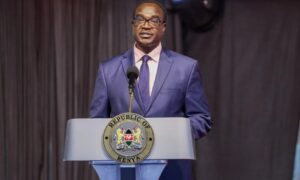
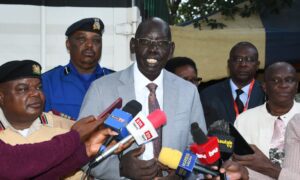
The announcement was made by Cabinet Secretary for Health, Hon. Aden Duale, during a press briefing at Afya House in Nairobi. CS Duale reiterated the government’s “unwavering commitment” to protecting the SHA and the trust Kenyans have placed in the UHC system, a cornerstone of the administration’s transformative agenda.
“The Ministry is de-gazetting 45 health facilities flagged for fraudulent activities, in addition to the 40 already suspended,” Duale stated firmly. “These actions rob Kenyans of quality care and divert essential resources from those who need them most.”
The digital audit, which scrutinized claims and billing data, revealed a sophisticated web of malpractices designed to illegally siphon funds from the public health insurer. The uncovered schemes include:
- Falsifying Records: Creating fake patient records or treatment logs for services never rendered.
- Inflated and Phantom Billing: Charging for more expensive services than were provided or billing for procedures that never happened (“phantom billing”).
- Upcoding: Submitting claims for a higher-priced service than what was actually delivered to the patient.
- Illegal Conversion: Fraudulently converting standard outpatient visits into costly inpatient admissions to claim higher reimbursements.
CS Duale issued a stern warning to all actors involved in these schemes, stating that “all fraudulent providers, facilities and patients will face prosecution and recovery of funds.” This signals a new, aggressive approach to accountability that targets not just the facilities but also complicit individuals and patients who may have colluded in the fraud.
In a parallel move demonstrating the government’s commitment to strengthening the system, Duale confirmed the disbursement of KES 7.7 billion to Primary Health Care (PHC). This substantial investment underscores the critical role PHC plays as the foundational pillar of UHC, ensuring essential health services are available at the grassroots level.
To empower citizens in this fight, the public was urged to report any suspected fraudulent activities via the SHA’s dedicated, toll-free line 147. This community-policing model is seen as vital for creating a robust and transparent system.
Perhaps the most significant long-term strategy announced was a new partnership between the Ministry and leading private medical insurers. This “Joint Anti-Fraud Action” coalition aims to create a unified front against healthcare fraud, sharing intelligence and best practices to protect public resources. This collaborative effort is part of broader reforms designed to strengthen partnerships between public and private entities and, ultimately, restore eroding trust in the national health sector.
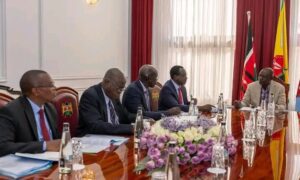
The high-profile briefing highlighted the seriousness of the matter, with CS Duale being joined by a full cadre of health sector leadership, including Principal Secretary Dr. Ouma Oluga, Director General Dr. Patrick Amoth, CEOs Dr. David Kariuki (KMPDC), Dr. Mercy Mwangangi (SHA), Eng. Anthony Lenayara (DHA), and SHA Chairperson Dr. Abdi Mohamed. Their united presence sent a powerful message that the entire health sector leadership is aligned in this critical purge against corruption.
This decisive action marks a pivotal moment for Kenya’s UHC journey, demonstrating that the government is willing to take tough, unpopular decisions to ensure the sustainability and integrity of the healthcare system for all Kenyans.