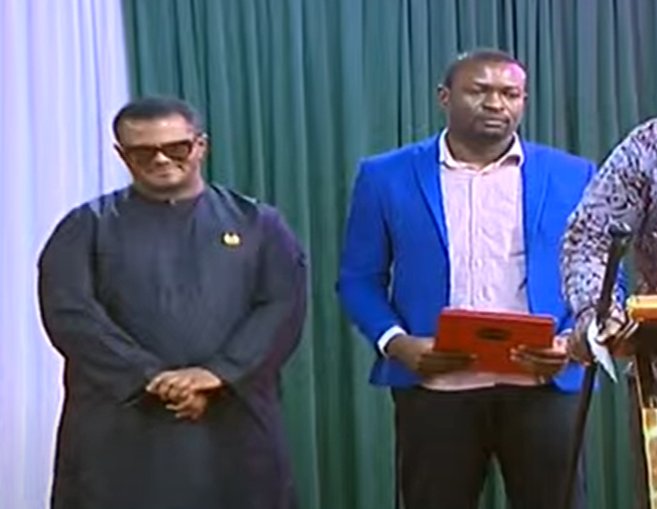
Nairobi, Kenya – In a historic moment that could reshape Kenya’s political landscape, President William Ruto and ODM leader Raila Odinga today signed a groundbreaking working agreement at the Kenyatta International Convention Centre (KICC). The event, attended by top political leaders including Nairobi Senator Edwin Sifuna, marked a significant step towards national unity and political cooperation. While the mood inside the venue was solemn and focused, outside the KICC, supporters erupted in jubilation, singing and chanting in anticipation of the deal that promises to address some of Kenya’s most pressing issues.
The agreement, presented by ODM Secretary General Edwin Sifuna and UDA’s Hassan Omar, outlines a comprehensive Memorandum of Understanding (MoU) between the two parties. The deal, which has been months in the making, aims to tackle critical national challenges, from corruption and public debt to youth empowerment and constitutionalism. Here’s a deep dive into the 10 key issues addressed in the pact and what it means for Kenya’s future.
1. Full Implementation of the NADCO Report
The National Dialogue Committee (NADCO) report, which emerged from bipartisan talks, has been a contentious issue in Kenyan politics. The agreement commits both parties to fully implement the report’s recommendations, which include electoral reforms, equitable resource distribution, and enhanced governance structures. This move is seen as a step towards healing the divisions that have plagued the country since the 2022 elections.
2. Inclusivity in All Public Life
Inclusivity has been a rallying cry for many Kenyans who feel marginalized by the current political system. The MoU emphasizes the need for inclusivity in all aspects of public life, including government appointments, resource allocation, and decision-making processes. This provision aims to ensure that no community or region feels left out of Kenya’s development agenda.
3. Protecting and Strengthening Devolution
Devolution, a cornerstone of Kenya’s 2010 Constitution, has faced numerous challenges, including underfunding and interference from the national government. The agreement seeks to protect and strengthen devolution by ensuring timely disbursement of funds to counties and empowering local governments to deliver services effectively. This is expected to boost development at the grassroots level and improve service delivery.
4. Promoting and Protecting the Livelihoods of Young People
With over 75% of Kenya’s population under the age of 35, youth empowerment is a critical issue. The MoU outlines measures to promote job creation, entrepreneurship, and skills development for young people. It also commits to protecting young people from exploitation and ensuring their voices are heard in national decision-making processes.
5. Leadership and Integrity
The pact underscores the importance of leadership and integrity in public service. Both parties have agreed to uphold the principles of accountability, transparency, and ethical leadership. This provision is seen as a direct response to widespread public dissatisfaction with corruption and mismanagement in government.
6. Right to Peaceful Assembly and Protest
The right to peaceful assembly and protest has been a contentious issue in Kenya, with recent demonstrations often met with heavy-handed police responses. The agreement reaffirms this constitutional right and commits to ensuring that citizens can express their grievances without fear of violence or intimidation.
7. National Debt
Kenya’s soaring national debt, which currently stands at over Ksh 10 trillion, has been a major concern for citizens and economists alike. The MoU includes measures to address the debt crisis, including prudent borrowing, efficient debt management, and strategies to boost revenue collection. This is expected to ease the burden on taxpayers and stabilize the economy.
8. Fight Against Corruption
Corruption remains one of Kenya’s biggest challenges, costing the country billions of shillings annually. The agreement commits both parties to intensify the fight against corruption through stronger institutions, stricter enforcement of anti-corruption laws, and greater transparency in public procurement processes.
9. Stopping Wastage of Public Resources and Promoting Government Efficiency
Inefficiency and wastage of public resources have long been criticized as major obstacles to Kenya’s development. The MoU includes measures to streamline government operations, reduce wasteful spending, and promote efficiency in service delivery. This is expected to free up resources for development projects and improve public trust in government.
10. Protecting the Sovereignty of the People, the Rule of Law, and Constitutionalism
The agreement reaffirms the sovereignty of the people and the supremacy of the Constitution. It commits both parties to uphold the rule of law, respect constitutional principles, and ensure that all government actions are guided by the Constitution. This provision is seen as a safeguard against authoritarianism and abuse of power.
A Moment of Unity Amidst Political Tensions
The signing of the MoU comes at a time of heightened political tensions in Kenya. President Ruto and Raila Odinga, who have been fierce political rivals for years, have shown a willingness to put aside their differences for the sake of national unity. The presence of key leaders like Edwin Sifuna and Hassan Omar at the event underscores the significance of this moment.
Outside the KICC, the atmosphere was electric as supporters from both sides celebrated the deal. Chants of “Unity!” and “Kenya First!” echoed through the streets, reflecting the hopes of millions of Kenyans for a brighter future. However, inside the venue, the mood was more subdued, with leaders emphasizing the hard work that lies ahead to implement the agreement.
What’s Next?
While the signing of the MoU is a significant milestone, the real test will be in its implementation. Both parties have committed to working together to ensure that the provisions of the agreement are fully realized. This will require not only political will but also the support of all Kenyans.
As the country watches closely, one thing is clear: this deal has the potential to transform Kenya’s political landscape and set the stage for a more inclusive, transparent, and prosperous future. Whether it succeeds or fails will depend on the commitment of all stakeholders to put the interests of the nation above personal and political gains.
Conclusion
The signing of the working agreement between President William Ruto and Raila Odinga marks a historic moment for Kenya. With a comprehensive MoU addressing critical issues like corruption, youth empowerment, and constitutionalism, the deal offers a glimmer of hope for a nation grappling with numerous challenges. As Kenyans celebrate this moment of unity, the focus now shifts to the implementation of the agreement and the promise of a better future for all.