A devastating 7.1-magnitude earthquake struck Tibet, leaving at least 95 people dead and dozens injured as rescue operations continue in the hardest-hit regions.
According to state media, over 130 individuals were injured during the tremor as building collapsed.
The tremors, felt by over 105 million people across Nepal, India, Bhutan, and Bangladesh, triggered widespread panic, with residents fleeing into the streets seeking safety.
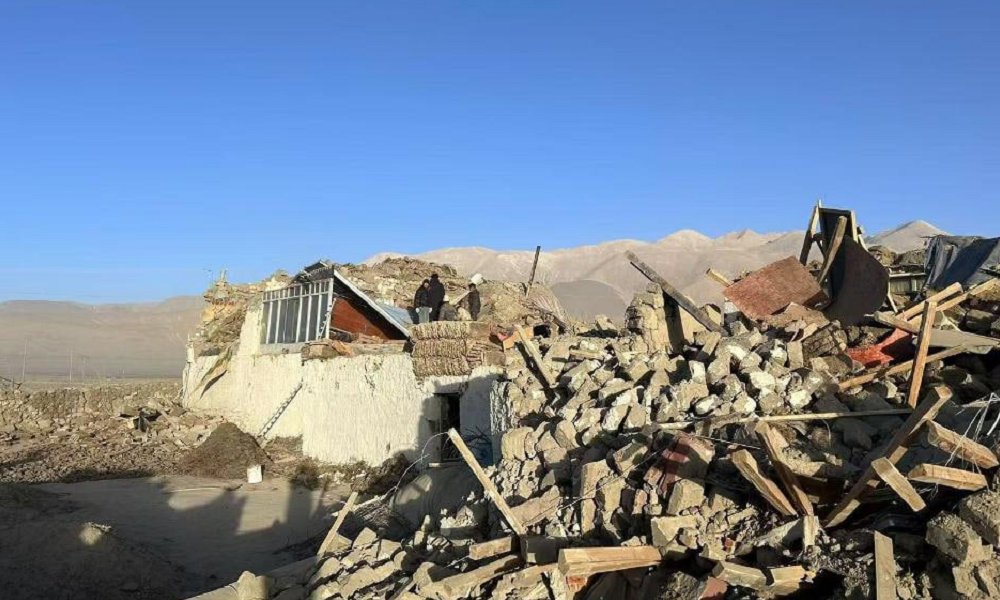
The quake struck in the early hours of Tuesday, with its epicenter near Shigatse, Tibet’s second-largest city. The shallow nature of the tremor intensified its destructive power, leading to severe damage in Dingri County, where several buildings collapsed, trapping residents under rubble.
Massive Rescue Efforts Underway
In response to the disaster, Chinese authorities have deployed more than 1,500 rescue workers to the affected areas. Rescue teams are working tirelessly to locate survivors and provide immediate medical aid to those injured. Images from the disaster zone show crumbled buildings, shattered infrastructure, and desperate rescue efforts amid freezing temperatures.
State media reported that many roads leading to remote villages have been severely damaged, hampering the speed of relief operations. Emergency shelters have been set up, and essential supplies, including food, water, and blankets, are being distributed to displaced families.
“We are doing everything possible to ensure no one is left behind,” a local government spokesperson stated, emphasizing the challenges posed by the mountainous terrain and icy weather conditions.
Regional Impact and Widespread Panic
The quake’s impact was not limited to Tibet. Tremors were felt across neighboring countries, including Nepal, India, Bhutan, and Bangladesh, sending shockwaves through densely populated areas.
In Nepal, residents in Kathmandu reported feeling intense shaking, prompting many to rush outdoors in fear. Fortunately, Nepalese authorities have not reported any significant structural damage or casualties but remain on high alert for aftershocks.
In India, parts of Sikkim and the northeastern states experienced mild to moderate tremors, causing temporary panic. Schools and offices were briefly evacuated as a precautionary measure.
USGS Assessment and Scientific Insights
According to the United States Geological Survey (USGS), the earthquake had a magnitude of 7.1 and occurred at a shallow depth, which amplified its destructive capacity. Strong to severe shaking was reported by approximately 76,000 people, with moderate tremors experienced by millions more across the region.
Seismologists warn of potential aftershocks in the coming days, urging residents to remain vigilant and avoid damaged structures.
Global Condolences and Support
Global leaders and humanitarian organizations have extended their condolences to the victims and pledged support for relief efforts. Neighboring countries, including Nepal and India, have offered assistance in any way needed.
The Red Cross Society of China has also initiated emergency response measures, including fundraising campaigns to support affected communities.
A Region Prone to Seismic Activity
The Tibetan Plateau lies in one of the world’s most seismically active regions, where the Indian tectonic plate collides with the Eurasian plate. This area has a long history of devastating earthquakes, with experts consistently calling for better preparedness and resilient infrastructure.
Ongoing Rescue and Recovery Efforts
As rescue teams continue their relentless search for survivors, the death toll is feared to rise further. Local authorities are urging residents to stay calm, follow safety protocols, and cooperate with rescue workers.
In the wake of this disaster, attention will likely shift towards long-term recovery efforts, including rebuilding homes, restoring essential services, and addressing the psychological impact on survivors.
The world watches as Tibet confronts yet another natural catastrophe, with hopes pinned on the bravery and determination of rescue teams working against the clock.