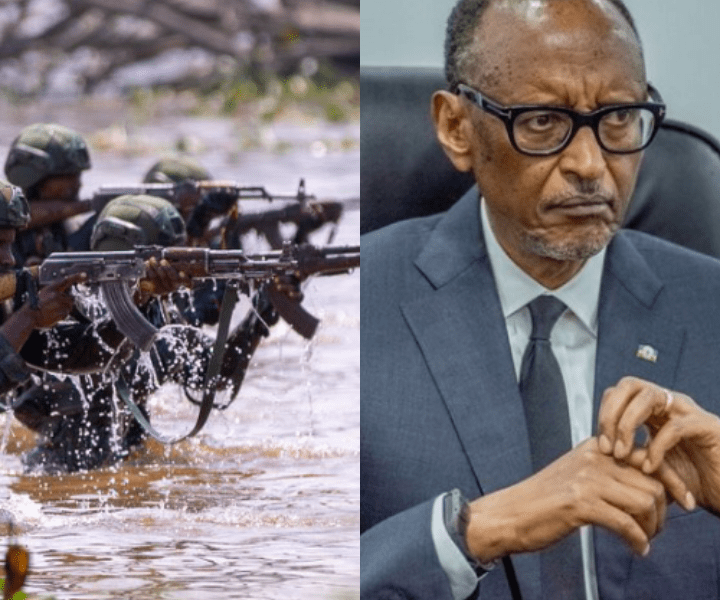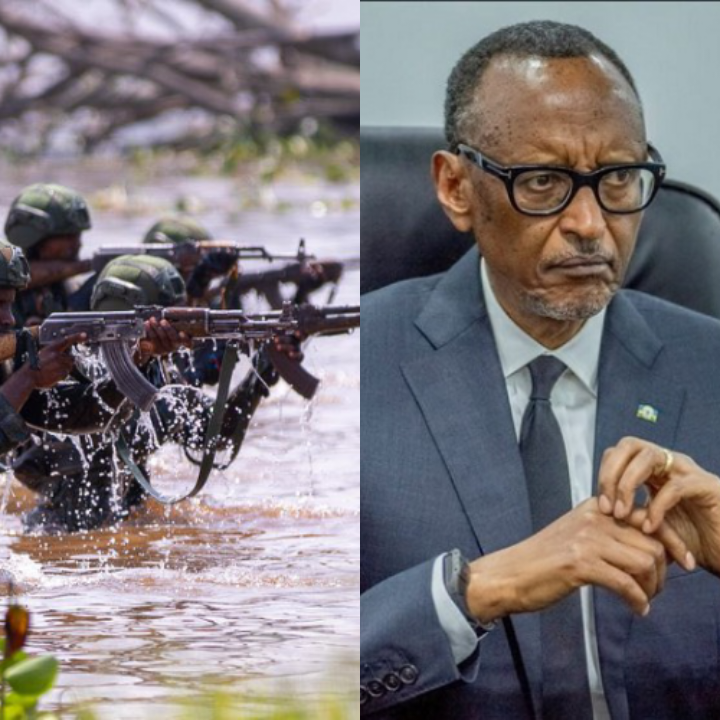
In a decisive response to the recent occupation of Goma and other territories in eastern Democratic Republic of Congo (DRC) by the M23 rebel group and the Rwandan Defence Forces (RDF), the United Kingdom has issued a strong condemnation, labeling the actions as an “unacceptable breach” of DRC’s sovereignty and the United Nations Charter. This development has escalated tensions in a region already fraught with conflict and humanitarian crises.
UK’s Firm Stance
A spokesperson for the Foreign, Commonwealth & Development Office (FCDO) stated:
“The UK condemns the occupation of Goma and other territories in eastern DRC by M23 and Rwandan Defence Forces (RDF) as an unacceptable breach of DRC’s sovereignty and the UN Charter which poses a fundamental risk to regional stability.” gov.uk
The UK has called for the immediate withdrawal of all RDF troops from Congolese territory. On January 26, Foreign Secretary David Lammy communicated to President Paul Kagame of Rwanda that an attack on Goma would elicit a strong response from the international community. Subsequently, on January 29, Lord Collins expressed to the Rwandan High Commissioner that Rwanda’s actions in eastern DRC were unacceptable and conveyed deep concern over reports of M23 and RDF advancing through South Kivu towards Bukavu.
Escalating Humanitarian Crisis
The situation in eastern DRC has deteriorated rapidly. The humanitarian conditions, already dire before the latest offensive by M23 and RDF, have now reached critical levels. Over 800,000 people in the area, who were prioritized for support, may no longer receive essential food and nutritional assistance. The UK has urged all parties to cease hostilities immediately, facilitate humanitarian access, and return to inclusive diplomatic talks. The FCDO spokesperson emphasized, “There can be no military solution.” gov.uk
International Reactions and Potential Consequences
The UK’s condemnation aligns with a broader international outcry against the actions of M23 and RDF. The United States has expressed deep concern over the situation, and Germany has canceled aid talks with Rwanda. The UK is actively considering its next steps, including the possibility of reviewing all support to Rwanda. This could have significant implications, given that Rwanda receives over $1 billion in annual aid, with $39.80 million coming from the UK.
Background of the Conflict
The M23 rebel group, predominantly composed of ethnic Tutsis, has a history of conflict in the region. The group’s resurgence is attributed to grievances over the alleged failure of the DRC government to implement a 2009 peace agreement. The current offensive marks the most significant escalation since 2012, with M23, backed by RDF, seizing Goma, a city of 2 million people. The rebels are reportedly advancing towards Bukavu, raising fears of a broader regional conflict.
Rwanda’s Position
Rwandan President Paul Kagame has defended his country’s involvement in eastern DRC, criticizing regional countries for failing to resolve the conflict diplomatically. He asserted Rwanda’s readiness for confrontation if necessary. Rwanda has accused DRC militias of harboring perpetrators of the 1994 Rwandan genocide, justifying its interventions. However, the DRC denies these claims, alleging that Rwanda uses militias to exploit its mineral resources.
Humanitarian Impact
The conflict has led to a severe humanitarian crisis. Intense battles have resulted in numerous civilian casualties, with hospitals overwhelmed by the influx of wounded individuals. Food shortages are rampant, and there are reports of looted aid supplies. The dense population and poor sanitation conditions have heightened concerns about potential disease outbreaks, including fears of Ebola spread. Over 1,200 Congolese soldiers have reportedly surrendered and are currently held at a UN base.
International Diplomatic Efforts
International leaders are actively seeking a resolution to the escalating conflict. US Secretary of State Marco Rubio has engaged in discussions with President Kagame, emphasizing the need for peace. The United Nations has urged Rwanda to withdraw its troops, while regional leaders are pressing for a ceasefire and a return to diplomatic negotiations. The situation remains critical, with the potential for further escalation if a peaceful resolution is not achieved.
Conclusion
The UK’s condemnation of the occupation of Goma by M23 and RDF underscores the international community’s concern over the breach of DRC’s sovereignty and the potential destabilization of the region. The call for the immediate withdrawal of Rwandan forces and the emphasis on diplomatic solutions reflect a commitment to restoring peace and addressing the burgeoning humanitarian crisis. As the situation develops, the international community will be closely monitoring Rwanda’s actions and the responses from regional actors to ensure a resolution that upholds international law and safeguards human rights.